

India Bars Seafarers from Hormuz Route Amid Escalating Regional Conflict
Translated from English, summarized and contextualized by DistantNews.
At a glance
News
Official statement
New plan
- India has instructed shipowners not to deploy Indian seafarers on vessels transiting the Strait of Hormuz due to escalating regional conflict.
- The directive follows the deaths of two Indian seafarers in recent attacks on ships in the area.
- India, a major supplier of seafarers, is taking enhanced precautionary measures to protect its citizens working on international shipping fleets.
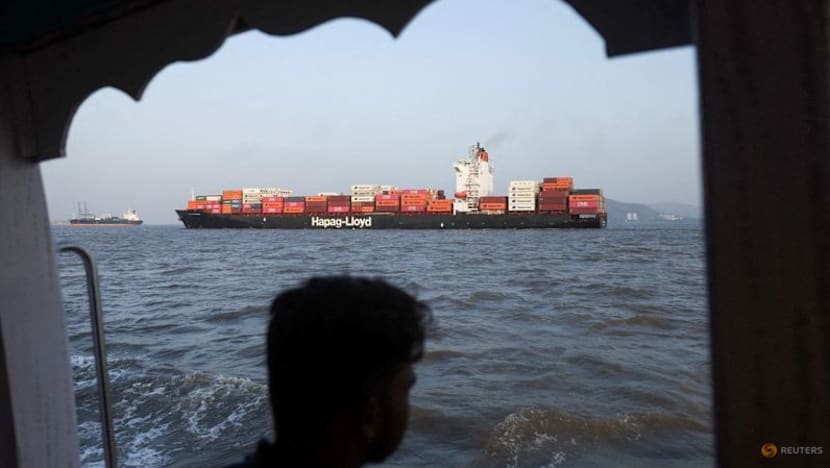
Amid escalating tensions and renewed fighting in the Middle East, India has issued a directive to shipowners, managers, and recruitment companies, ordering them not to deploy Indian seafarers on vessels traversing the Strait of Hormuz. This precautionary measure comes in response to heightened security risks in the region.
The decision by the Directorate General of Shipping follows the recent deaths of two Indian seafarers in attacks on vessels operating in the Persian Gulf. The regulator noted a significant increase in risks for seafarers and commercial ships in the conflict-affected zone. India is a major global supplier of seafarers, with over 300,000 sailors working on international shipping fleets, according to government data.
The order explicitly states, "No deployment of Indian seafarers on vessels undertaking voyages involving passage through the Strait of Hormuz until further orders." Masters of vessels have also been instructed to maintain heightened vigilance regarding the security situation in the Persian Gulf, the Strait of Hormuz, and adjacent waters, including continuous monitoring of navigational warnings.
In response to the rising violence, New Delhi has also lodged a strong protest with Iran, summoning its deputy ambassador following one of the recent fatalities. The enhanced measures aim to safeguard the interests of Indian seafarers serving on ships operating in this volatile region.
DistantNews Editorial
Originally published by CNA in English. Translated, summarized, and contextualized by our editorial team with added local perspective. Read our editorial standards.
More Stories



From Our Blog

What Gets Lost (and Found) When News Is Translated

The Critical Role of Diaspora Media in Global News

What Travellers Should Know About Countries with Restricted Press

A Digital Nomad's Guide to Following Local News

How the Same Story Looks Different in Different Countries
