



India Built the World’s Largest Real-Time Payment System. Now Merchants Fear Being Stuck with the Bill
Translated from English and summarized by DistantNews. Read the original for the full story.
At a glance
News
Named sources
Approved/passed
- India’s parliament passed a bill allowing banks and payment companies to charge merchants for some UPI transactions above a threshold yet to be determined.
- Merchants and business experts say fees could reduce profits, especially for companies operating on thin margins.
- UPI accounts for 57% of user transactions in India, compared with 38% for cash, after years of government support for digital payments.
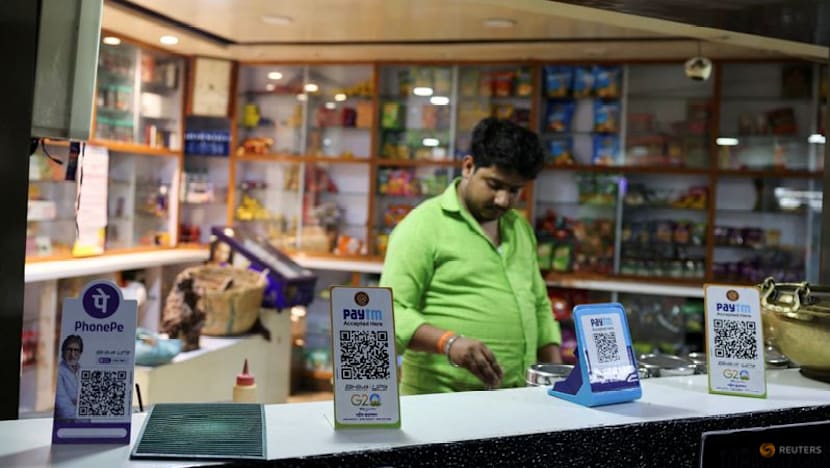
For many Indian diners, paying by scanning a QR code has become almost automatic. At restaurateur Zachariah Jacob’s three Delhi outlets, about 60% of payments now arrive through the Unified Payments Interface, or UPI.
The system lets users transfer money instantly between bank accounts. It has also offered merchants a major advantage: customers paying directly through UPI send the restaurant the full amount. Card transactions, by contrast, cost Jacob’s businesses about 1.25% to 1.7% in fees.
If a merchant makes a 2 per cent margin and pays 0.5 per cent as merchant charge, 25 per cent of his profit is gone.
That advantage could change. On Aug. 10, India’s parliament passed a bill that would allow banks and payment companies to charge merchants for UPI transactions above a threshold that has not yet been set. The move marks a shift from the zero-fee policy in place since 2020.
The Finance Ministry said the charge would be nominal and well below card fees. But business owners and experts told CNA that even a small fee could matter. Piyush Jhunjhunwala, founder and chief executive of investment platform Stockify, said a merchant with a 2% profit margin would lose a quarter of that profit if charged 0.5%.
The merchant will not pay from his pocket.
The concern extends beyond restaurants. At electronics stores run by Arif Hanfi in Maharashtra, customers use UPI, cards and bank transfers to buy expensive phones and other devices. Some purchases reach tens of thousands of rupees, meaning a UPI fee could add a significant cost. “The merchant will not pay from his pocket,” Hanfi said.
Restaurant representatives also warned that frequent, smaller transactions could squeeze the sector. UPI now accounts for 57% of user transactions in India, compared with 38% for cash, according to a government study released in February. The government spent about 82.7 billion rupees, or US$876 million, on UPI incentives over four financial years through March 2025. A 2025 International Monetary Fund report called UPI the world’s largest real-time payment system by transaction volume.
UPI has become absolutely critical for the restaurant business.
About this summary
Originally published by CNA in English. Translated, summarized, and contextualized automatically by DistantNews, with a note on how the source frames the story. Not individually reviewed before publishing. How this works.
More Stories

From Our Blog

News in Translation: What Gets Lost, and How We Keep the Framing

Diaspora Media: How Communities Follow News From Home

Traveling Where the Press Is Not Free: How to Read the News There

The Digital Nomad's Guide to Local News

The Same Story, Different Countries: How Coverage Changes at the Border
