

India calls for urgent UNSC reforms, greater Global South representation at UN debate
Summarized and contextualized by DistantNews.
At a glance
News
Sources not specified
New plan
- India urged the UN Security Council (UNSC) to undertake urgent reforms to reflect current global realities and increase representation for the Global South.
- Ambassador Yojna Patel stated that the UNSC's decision-making structure, established 80 years ago, no longer matches the expanded UN membership and needs to change.
- India called for expanding both permanent and non-permanent seats, emphasizing text-based negotiations and greater transparency in the council's working methods.
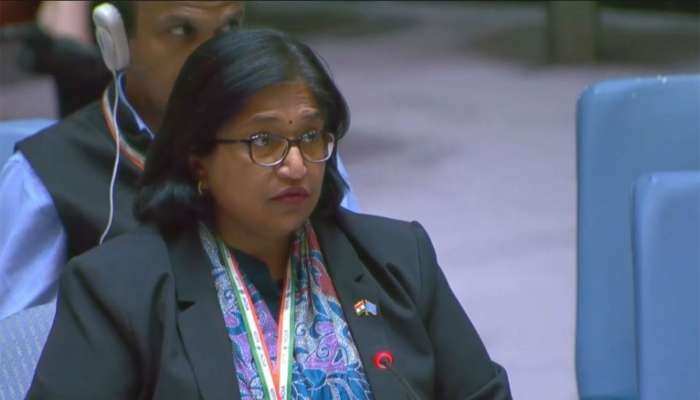
India has called for immediate reforms to the United Nations Security Council (UNSC), arguing that its current structure is outdated and fails to represent the present-day global landscape. Addressing the UNSC Open Debate on Working Methods, India's Charge d'Affaires, Ambassador Yojna Patel, asserted that the council's decision-making framework, a product of an 80-year-old conflict outcome, must evolve.
The world of 1945 has changed beyond recognition. UN membership has grown fourfold since then. The outcome of one conflict 80 years ago cannot determine the composition, dynamics, approaches and working methods for perpetuity. This needs to change and must happen at the earliest.
"The world of 1945 has changed beyond recognition," Patel stated, noting that UN membership has quadrupled since the council's inception. She emphasized that the outcomes of past conflicts should not dictate the council's composition and operations indefinitely. India advocates for expanding both categories of membership, with a particular focus on increasing the representation of developing nations from the Global South.
We seek an expansion in both categories, with greater representation for the Global South. This could be achieved only through text-based negotiations, with clearly defined milestones and timelines.
Patel stressed that any reform process must involve text-based negotiations with clear milestones and timelines. She also highlighted that discussions on improving the UNSC's working methods are intrinsically linked to broader reform efforts, including membership categories, regional representation, and the contentious veto issue. India argues that the provisional nature of the Security Council's rules should not be used as a barrier to implementing necessary changes, especially regarding membership expansion.
A discussion on improvement of UNSC working methods must not be done in isolation. It is an important aspect of the broader umbrella of UNSC reforms and inherently linked to other clusters.
Furthermore, India called for enhanced transparency within the council, stating that all members should have equal access to documents and information. The country also believes that nations contributing troops to UN peacekeeping missions, referred to as TCCs and PCCs, should have a voice in key decision-making processes concerning mandates and resources. India also urged the Security Council to expedite the finalization of subsidiary body chairs, advocating for fixed timelines for this procedure.
The provisional nature of these Rules also suggests that they could be amended suitably from time to time. Therefore, existing working methods must not be cited as a challenge or obstacle to implement reforms, particularly in terms of expanding the membership.
DistantNews Editorial
Originally published by Times of Oman. Summarized and contextualized by our editorial team with added local perspective. Read our editorial standards.
More Stories
From Our Blog

What Gets Lost (and Found) When News Is Translated

The Critical Role of Diaspora Media in Global News

What Travellers Should Know About Countries with Restricted Press

A Digital Nomad's Guide to Following Local News

How the Same Story Looks Different in Different Countries
