

India monsoon floods, landslides kill more than 100 since July
Summarized and contextualized by DistantNews.
At a glance
News
Official statement
Ongoing story
- Monsoon rains and subsequent floods and landslides have killed over 100 people across India since July.
- The northeastern state of Assam has been severely affected, with at least 87 deaths reported.
- Climate change is cited as a factor making monsoon patterns more erratic and deadly.
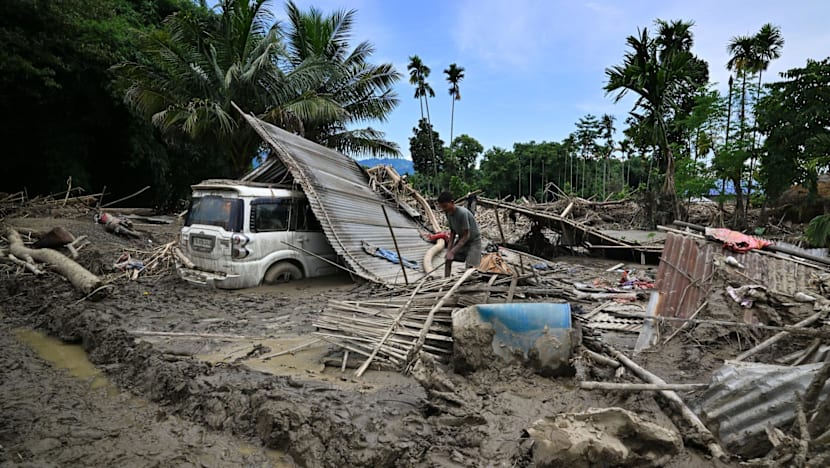
India is grappling with the devastating impact of monsoon rains, which have triggered widespread floods and landslides, claiming the lives of over 100 people since the beginning of July. Thousands have been forced to evacuate their homes as waters inundate vast areas.
The northeastern state of Assam has borne the brunt of the disaster, with Chief Minister Himanta Biswa Sarma reporting at least 87 fatalities. The Sivasagar district, in particular, has seen 47 deaths and remains submerged in many parts. State authorities have appealed for public donations to aid relief and rehabilitation efforts, with Sarma describing the devastation as unprecedented.
In the southern state of Kerala, heavy rains over several days have resulted in at least 15 deaths and seven missing persons. Over 300 relief camps have been established, providing shelter to more than 10,000 people displaced by the deluge and subsequent landslides. The Himalayan territory of Jammu and Kashmir has also reported significant casualties, with at least 31 people killed.
While the annual monsoon is crucial for agriculture, scientists warn that climate change is exacerbating its effects. The phenomenon is becoming more erratic and unpredictable, leading to more deadly consequences across the South Asia region. Monsoon-related disasters are a recurring challenge in India, particularly following the dry summer months when water scarcity is a major concern.
The devastation here is unlike anything these areas have witnessed before. Material losses can be restored, but no compensation can replace a loved one.
DistantNews Editorial
Originally published by CNA. Summarized and contextualized by our editorial team with added local perspective. Read our editorial standards.
More Stories


From Our Blog

What Gets Lost (and Found) When News Is Translated

The Critical Role of Diaspora Media in Global News

What Travellers Should Know About Countries with Restricted Press

A Digital Nomad's Guide to Following Local News

How the Same Story Looks Different in Different Countries
