


India probe into stolen temple donations tests trust in religious finances
Translated from English, summarized and contextualized by DistantNews.
At a glance
News
Named sources
Under investigation
- Police in India are investigating allegations of 30 million rupees (US$311,573) in stolen donations at the Ram temple in Ayodhya.
- Eight people have been arrested in connection with the alleged theft, highlighting ongoing challenges with transparency and accountability at major religious sites.
- The incident is sensitive given the temple's significance and its history, which was the site of a long-standing religious dispute.
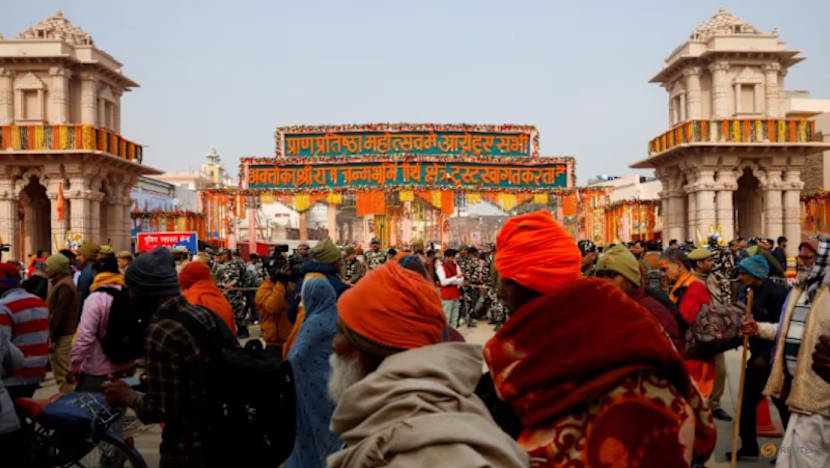
A police investigation into alleged theft of donations at India's prominent Ram temple in Ayodhya has renewed scrutiny over the financial management of religious institutions. Eight individuals responsible for handling donations at the shrine have been arrested since June.
While authorities have not disclosed the exact amount stolen, media reports suggest it could be as high as 30 million rupees (US$311,573). This case echoes previous scandals involving donations at other major pilgrimage sites, such as Badrinath and Tirumala Tirupati Devasthanams, one of the world's wealthiest temple trusts.
"When we donate, we believe the money is going for God’s work," said Ashok Prasad Kushwaha, an auto-rickshaw driver in Delhi who has visited the temple. "Now if that hard-earned money gets stolen from a place like a temple, it feels like personal loss."
When we donate, we believe the money is going for God’s work. Now if that hard-earned money gets stolen from a place like a temple, it feels like personal loss.
Hindu activist Rahul Easwar emphasized the "core systemic problem is the lack of transparency and accountability." He called for stronger financial controls, including mandatory receipts, digital accounting, CCTV monitoring, and independent oversight, especially for institutions managing vast sums comparable to major corporations. The Ram temple, inaugurated in 2024, draws an average of 90,000 visitors daily, with devotees offering cash, gold, and ornaments.
The allegations are particularly sensitive due to the temple's historical and religious significance. It stands on a site previously occupied by the Babri mosque, which was demolished by Hindu mobs in 1992, leading to nationwide unrest and over 2,000 deaths. The Supreme Court awarded the site for temple construction in 2019, following a massive nationwide fundraising campaign.
The core systemic problem is the lack of transparency and accountability.
DistantNews Editorial
Originally published by CNA in English. Translated, summarized, and contextualized by our editorial team with added local perspective. Read our editorial standards.
More Stories



From Our Blog

What Gets Lost (and Found) When News Is Translated

The Critical Role of Diaspora Media in Global News

What Travellers Should Know About Countries with Restricted Press

A Digital Nomad's Guide to Following Local News

How the Same Story Looks Different in Different Countries
