


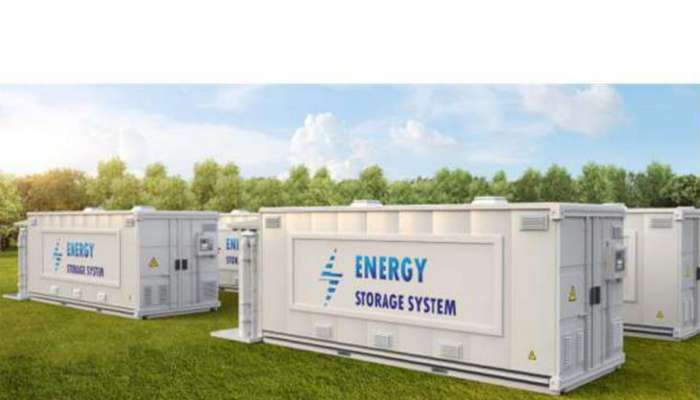
India Proposes $1.37 Billion Incentive for Advanced Battery Component Manufacturing
Translated from English and summarized by DistantNews. Read the original for the full story.
At a glance
News
Sources not specified
New plan
- India is planning a new incentive program worth $1.37 billion to encourage domestic manufacturing of advanced battery cell components.
- The initiative aims to reduce the country's dependence on Chinese imports and build a self-reliant battery supply chain for electric vehicles and energy storage.
- The proposed incentives will target five critical battery components: anode materials, cathode materials, electrolytes, separator film, and copper foil.
India is preparing a significant incentive program, estimated at ₹13,000 crore ($1.37 billion), to bolster the domestic manufacturing of advanced battery cell components. This strategic move is designed to curb the nation's heavy reliance on Chinese imports and foster a robust, self-sufficient battery supply chain crucial for electric vehicles and energy storage solutions.
The proposal, currently undergoing inter-ministerial consultations before consideration by the Ministry of Finance's Expenditure Finance Committee, targets five key components: anode active materials, cathode active materials, electrolytes, separator film, and copper foil. Currently, Indian manufacturers depend heavily on overseas suppliers, particularly China, for these essential inputs.
Developing domestic component manufacturing is viewed as a critical priority for India's energy security and strategic autonomy. Dependence on imported materials exposes battery producers to potential supply disruptions, fluctuating costs, and geopolitical risks. This new program is intended to complement the existing ₹18,100 crore Production Linked Incentive (PLI) scheme for Advanced Chemistry Cell battery storage, launched in 2021.
However, the implementation of the earlier PLI scheme has encountered challenges, including limited access to technology, skilled labor shortages, and reliance on imported equipment and upstream components. As of early 2026, 40 GWh of capacity was awarded under that scheme. The latest proposal aims to address the critical gap in India's battery strategy by developing the necessary upstream materials and components to support large-scale domestic cell production, potentially lowering costs and enhancing supply security.
About this summary
Originally published by Times of Oman in English. Translated, summarized, and contextualized automatically by DistantNews, with a note on how the source frames the story. Not individually reviewed before publishing. How this works.
More Stories

From Our Blog

What Gets Lost (and Found) When News Is Translated

The Critical Role of Diaspora Media in Global News

What Travellers Should Know About Countries with Restricted Press

A Digital Nomad's Guide to Following Local News

How the Same Story Looks Different in Different Countries
