


India's Currency Paradox: Cash Dominates, But ATMs Are Disappearing
Translated from English, summarized and contextualized by DistantNews.
At a glance
News
Documents & data
Context piece
- India's ATM numbers have declined from over 2.19 lakh in FY23 to approximately 2.09 lakh in FY26.
- Despite this decline, cash remains a dominant form of transaction in the country.
- The reduction in ATMs raises questions about cash accessibility for the public.
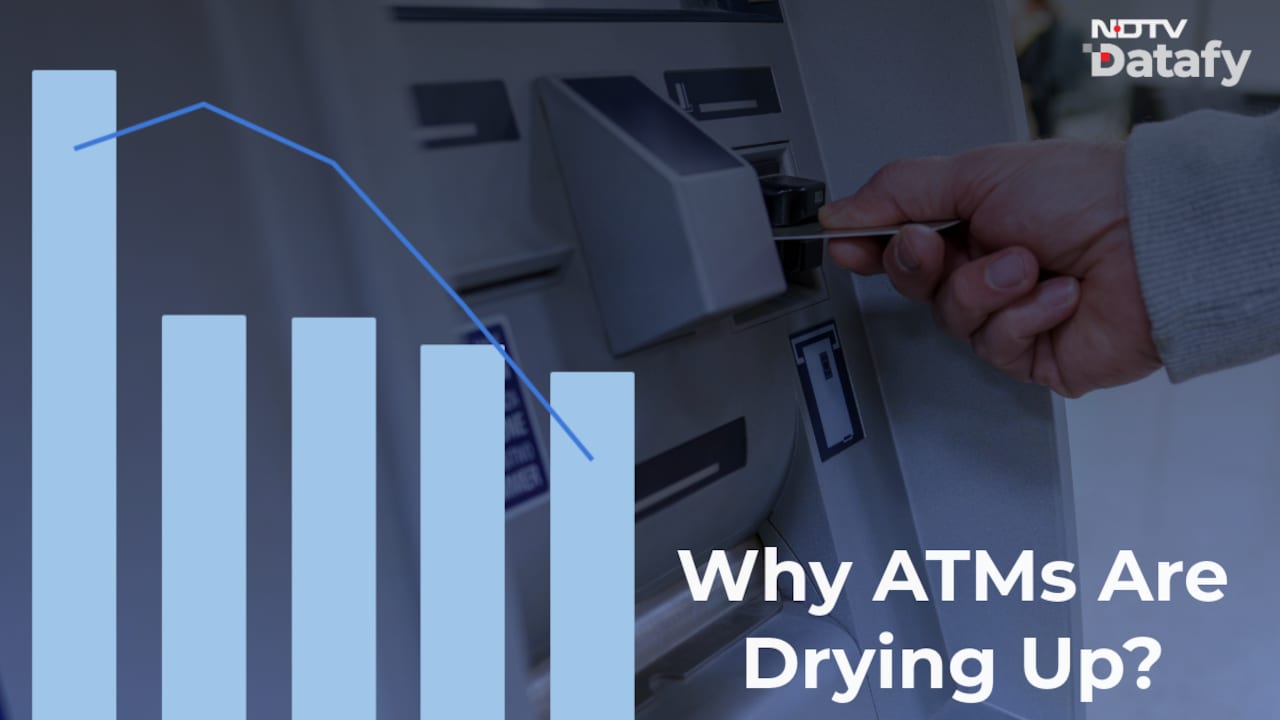
India faces a curious paradox where cash remains king for daily transactions, yet the number of automated teller machines (ATMs) has been steadily decreasing. The country has seen a significant drop in ATM installations, falling from a peak of over 2.19 lakh machines in the fiscal year 2023 to around 2.09 lakh by fiscal year 2026.
This decline in ATM availability, despite the continued prevalence of cash usage, presents a challenge for many citizens. While digital payments have grown, a substantial portion of the Indian population still relies heavily on physical currency for everyday needs. The reduction in ATMs could potentially lead to cash shortages or increased difficulty in accessing funds, particularly in certain regions or for specific demographics.
The reasons behind the shrinking ATM network are varied, potentially including the rising costs of maintenance, increased adoption of digital banking alternatives by some segments, and strategic decisions by banks to optimize their physical infrastructure. However, the persistence of cash as a primary medium of exchange means that the accessibility of ATMs remains a critical concern for financial inclusion and convenience across India.
DistantNews Editorial
Originally published by NDTV in English. Translated, summarized, and contextualized by our editorial team with added local perspective. Read our editorial standards.
More Stories



From Our Blog

What Press Freedom Means for the News You Read

What Gets Lost (and Found) When News Is Translated

The Critical Role of Diaspora Media in Global News

What Travellers Should Know About Countries with Restricted Press

A Digital Nomad's Guide to Following Local News
