


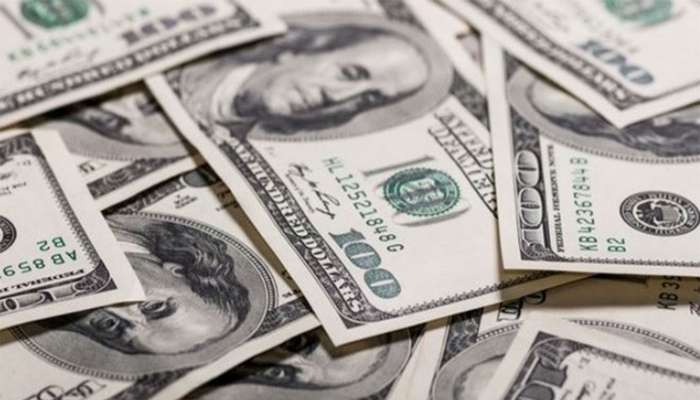
India's Forex Demand Shifts to Smaller Cities, Report Finds
Translated from English, summarized and contextualized by DistantNews.
At a glance
News
Documents & data
Context piece
- Tier-2 and Tier-3 cities now account for 53% of India's foreign exchange demand, surpassing Tier-1 cities.
- Leisure travel remains the primary driver of forex demand at 57%, followed by corporate and student travel.
- The US dollar is the most sought-after currency, while digital channels are increasingly used for forex purchases, showing a 25% year-on-year growth.
India's demand for foreign exchange is shifting beyond its major metropolitan centers, with smaller cities now driving more than half of the demand. According to the Thomas Cook India's Forex Report 2026, Tier-2 and Tier-3 cities collectively represent 53% of the overall forex demand, while Tier-1 cities, including the metros, make up the remaining 47%.
The report, which analyzed transaction data from April 2025 to March 2026, found that Tier-2 cities contributed 41% to the forex demand, with Tier-3 cities adding another 12%. This trend signifies a broadening of India's outbound travel and foreign exchange market, moving beyond traditional hubs. "Emerging India is driving the next phase of forex growth, with Tier 2 and Tier 3 cities contributing over half of overall demand," the report stated.
Emerging India is driving the next phase of forex growth, with Tier 2 and Tier 3 cities contributing over half of overall demand.
Leisure travel continues to be the dominant factor in forex demand, accounting for 57% of the total. Corporate travel follows at 27%, with student travel making up 16%. The report highlights a diversified demand, with sustained interest in business travel and overseas education alongside leisure pursuits. Younger consumers, particularly those aged 25-40, form the largest demographic group utilizing forex services, representing 37% of the market. Those aged 41-60 closely follow at 36%, indicating that Millennials and Gen X together constitute nearly three-fourths of forex usage.
The U.S. dollar remains the most preferred currency, accounting for 49% of forex demand. European currencies like the euro and British pound represent 23%, while Asian currencies account for 11%. The Middle East, led by the UAE dirham and Saudi riyal, accounts for 9%. The report also notes a growing adoption of digital channels for forex purchases, which have seen a 25% year-on-year increase, with DIY platform usage growing by 50% over the last two years. This indicates a gradual shift towards digital-first transactions among Indian travelers, although branch-assisted purchases still dominate with a 75% share.
Millennials and Gen X together account for nearly three-fourths of forex usage.
DistantNews Editorial
Originally published by Times of Oman in English. Translated, summarized, and contextualized by our editorial team with added local perspective. Read our editorial standards.
More Stories
From Our Blog

What Gets Lost (and Found) When News Is Translated

The Critical Role of Diaspora Media in Global News

What Travellers Should Know About Countries with Restricted Press

A Digital Nomad's Guide to Following Local News

How the Same Story Looks Different in Different Countries
