


India's Instagram Gen Z dents Modi's aura ahead of key state polls
Summarized and contextualized by DistantNews.
At a glance
News
Named sources
Ongoing story
- Indian youth are protesting exam leaks and unemployment, challenging Prime Minister Narendra Modi's long-standing political dominance.
- The protests, amplified by social media and youth groups like CJP, led to the education minister's resignation.
- Analysts suggest this youth discontent could impact upcoming state and national elections, potentially reshaping India's political landscape.
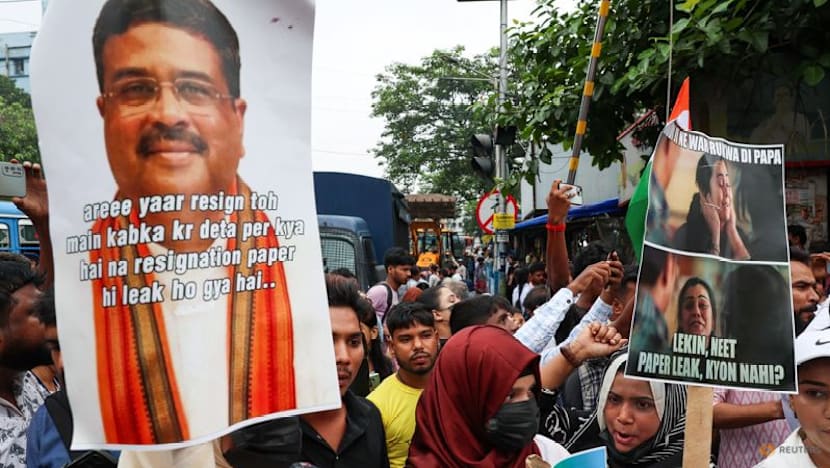
A wave of youth-led protests in India, fueled by exam paper leaks and mounting anxieties over unemployment and job security, is challenging Prime Minister Narendra Modi's established political aura. The demonstrations, notably organized by groups like the Cockroach Janta Party (CJP) with a significant Gen Z following on Instagram, have forced concessions from the government.
Thousands of protesters braved a police crackdown to demand the education minister's resignation over leaked medical entrance exams. Despite Prime Minister Modi's rare public acknowledgment of their suffering and promise of action, the protesters' resolve led to Education Minister Dharmendra Pradhan stepping down. This marks a significant setback for Modi, who has dominated Indian politics since 2014.
A large number of people who were at the protest may actually be his supporters, and that's quite different from other kinds of protests in the past.
Anthropology professor Sanjay Srivastava notes the unique nature of these protests, with many participants potentially being Modi's supporters. He observes a broader cross-section of society now questioning the government, a departure from previous protest dynamics. Political analyst Amitabh Tiwari identifies the paper leak as a trigger, reflecting deeper youth discontent, nervousness, and frustration.
The paper leak is a trigger point. It is largely a reflection of the anxiety, nervousness, discontent, frustration and anger among the youth.
Concerns about AI potentially displacing jobs in sectors like IT, where India has a strong presence, add to the youth's anxiety. While the government, through senior minister Rajnath Singh, assures that student concerns are a top priority, data indicates a disconnect. Indians aged 18-40 constitute about 40% of the population but hold only about 10% of parliamentary seats, with the cabinet's average age exceeding 60.
Opposition parties are attempting to capitalize on this youth anger, which could manifest in upcoming state elections in Uttar Pradesh, Punjab, and Modi's home state of Gujarat. The long-term risk for Modi could emerge in the 2029 national election if the CJP evolves into a formal political party, potentially altering the trajectory of Indian politics.
our top priority remains to understand our students’ genuine concerns, address them promptly, and ensure that they know their voices are being heard.
DistantNews Editorial
Originally published by The Straits Times. Summarized and contextualized by our editorial team with added local perspective. Read our editorial standards.
More Stories


From Our Blog

What Gets Lost (and Found) When News Is Translated

The Critical Role of Diaspora Media in Global News

What Travellers Should Know About Countries with Restricted Press

A Digital Nomad's Guide to Following Local News

How the Same Story Looks Different in Different Countries
