


🇸🇬
Singapore
India tightens security as millions of medical student aspirants retake entrance exam after paper leak
Summarized and contextualized by DistantNews.
At a glance
News
Named sources
Ongoing story
- India is re-examining 2.2 million aspiring medical students on June 21 after a previous entrance exam was canceled due to a paper leak.
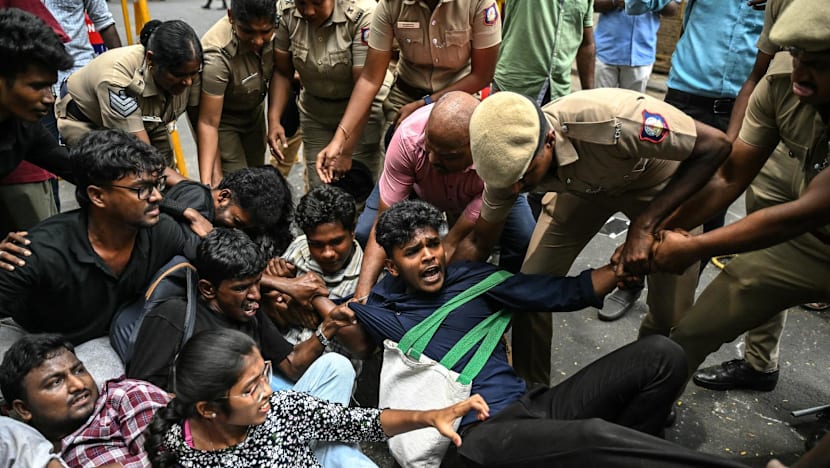
- The incident, along with a high school marking error, has caused public outrage and protests demanding the education minister's resignation.
- Authorities have implemented extensive security measures, including biometric authentication and AI surveillance, to ensure the exam's integrity.
India's education system is under intense scrutiny as 2.2 million hopeful medical students retake a crucial entrance exam on Sunday, June 21. The National Eligibility cum Entrance Test (NEET) was rescheduled after the previous administration was scrapped due to a widespread paper leak, igniting public fury.
The leak, coupled with a separate marking fiasco in high school tests, has fueled youth protests and calls for the resignation of Education Minister Dharmendra Pradhan. The government has responded by deploying over 200,000 officials and restricting the Telegram messaging app, which was allegedly used to distribute leaked questions.
by cheating rackets to defraud candidates
The National Testing Agency (NTA) has detailed a "multi-layered security framework" for the re-examination. This includes biometric authentication, AI-enabled camera surveillance, and GPS tracking of question papers, aiming to guarantee a fair and transparent process. The exam is scheduled to commence at 2 PM local time.
leaks just moved to other apps
NEET is a highly competitive gateway to India's medical colleges, with millions of candidates vying for just over 100,000 undergraduate seats annually. This intense competition has fostered a lucrative coaching industry and, unfortunately, created fertile ground for organized criminal networks involved in exam fraud. The controversy has been amplified by media reports of student suicides following the cancellation of the last exam.
Authorities have arrested a chemistry lecturer identified as the alleged kingpin behind the leak. Meanwhile, Telegram's head, Pavel Durov, criticized the ban on messaging apps, suggesting that leaks would merely shift to other platforms and highlighting the role of "insiders." The educational system's integrity has also been questioned due to a separate dispute over an online marking system for high school students, which led to allegations of incorrect grades and misassigned results.
insiders who leaked the exam materials
DistantNews Editorial
Originally published by CNA. Summarized and contextualized by our editorial team with added local perspective. Read our editorial standards.
More Stories


From Our Blog

What Gets Lost (and Found) When News Is Translated

The Critical Role of Diaspora Media in Global News

What Travellers Should Know About Countries with Restricted Press

A Digital Nomad's Guide to Following Local News

How the Same Story Looks Different in Different Countries
