


Indian workers train AI robots to take their jobs by filming household chores
Translated from English, summarized and contextualized by DistantNews.
At a glance
In-depth
Named sources
Context piece
- Indian workers are filming themselves performing everyday tasks like slicing mangoes to train AI robots for household chores.
- These workers earn approximately $2 per hour for their video recordings, which provide valuable "egocentric data" for AI companies.
- The growing field of spatial AI in India offers new employment opportunities, with projections of a booming humanoid robot market globally.
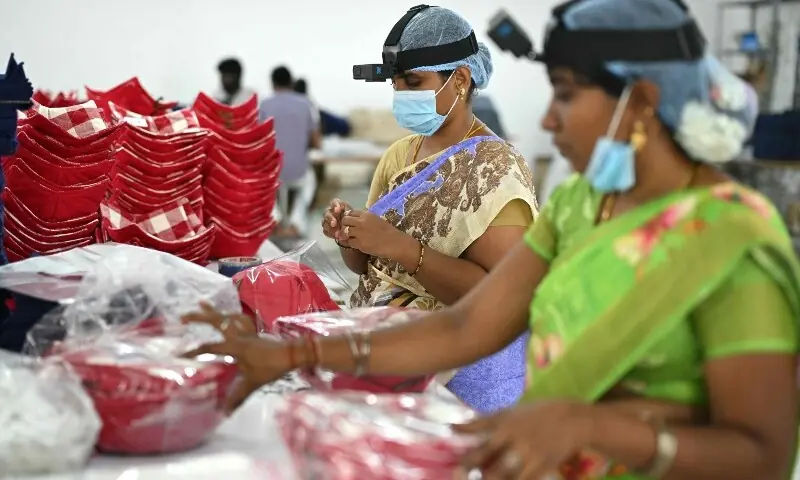
In India, a growing number of individuals, like housewife Nagireddy Sriramyachandra, are earning a modest income by filming themselves performing mundane household tasks to train artificial intelligence robots. Sriramyachandra, from Chennai, earns just over two dollars per hour for her videos, which capture her slicing mangoes. This footage is crucial for global tech firms teaching AI systems to navigate and interact with the real world, a process requiring "egocentric data" from a first-person perspective.
"Who else will give you 250 rupees an hour just for doing housework?" Sriramyachandra commented, highlighting the appeal of this unconventional employment. She even mused about potentially owning a robot herself in the future. While AI chatbots process vast amounts of digital data, teaching machines to perform physical tasks in real environments presents a greater challenge. Developers believe that feeding specialized AI models with first-person footage will enable robots to mimic human actions more effectively.
Who else will give you 250 rupees an hour just for doing housework?
Workers like Sriramyachandra utilize various technologies, including head-mounted cameras and motion sensors, to capture their activities. She sends her recordings to Objectways, an AI data company that works with Fortune 500 clients and utilizes platforms like Amazon SageMaker. The company operates offices in both India and the United States, with its CEO, Ravi Shankar, based in the U.S. but hiring extensively from his home state of Tamil Nadu.
Objectways' CEO, Ravi Shankar, described the types of tasks requested by clients, including "folding clothes, coffee making… cooking a very specific thing, sandwich making." He suggested that as robots take over certain jobs, humans can transition to "better things." The global humanoid robot market is projected for significant growth, with Morgan Stanley predicting over a billion robots in use by 2050, primarily for industrial and commercial applications. This emerging field of spatial AI in India is currently creating new employment avenues.
Folding clothes, coffee making… cooking a very specific thing, sandwich making. Some jobs are supposed to be taken over, so humans can go and do better things.
DistantNews Editorial
Originally published by Dawn in English. Translated, summarized, and contextualized by our editorial team with added local perspective. Read our editorial standards.
More Stories


From Our Blog

What Gets Lost (and Found) When News Is Translated

The Critical Role of Diaspora Media in Global News

What Travellers Should Know About Countries with Restricted Press

A Digital Nomad's Guide to Following Local News

How the Same Story Looks Different in Different Countries
