


Indigenous rights bill: Coalition demands recognition and protection of customary land rights
Translated from Indonesian and summarized by DistantNews. Read the original for the full story.
At a glance
News
Named sources
Ongoing story
- The Kawal RUU Masyarakat Adat coalition submitted a civil society draft of Indonesia’s Indigenous Peoples Bill to the House’s Legislative Body.
- The coalition says Indigenous communities remain vulnerable in disputes with corporations, development projects and investors, including through complicated recognition procedures and alleged criminalization.
- Its draft covers land recognition, free, prior and informed consent, women’s rights, restitution, compensation and state responsibilities.
Indigenous communities in Indonesia still face a basic legal problem: recognition of their existence does not necessarily bring recognition of the territories where they have lived. A civil society coalition is demanding that lawmakers close that gap in the Indigenous Peoples Bill now being prepared by the House of Representatives.
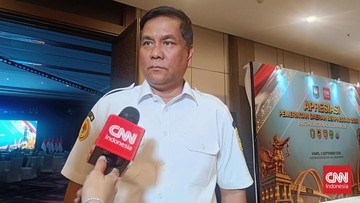
The Kawal RUU Masyarakat Adat coalition submitted its draft to the House Legislative Body on September 2. Erwin Dwi Kristianto, representing the coalition, said Indigenous recognition remains layered, conditional and divided across sectors. He called for a declarative definition without conditions, a system in which the state records communities rather than determines their existence, and clear recognition and protection of customary territories.
Recognition of Indigenous peoples has so far remained layered, conditional and sectoral. Recognition of their existence does not necessarily mean recognition of their rights to their customary territory.
The coalition said Indigenous peoples are often placed at a disadvantage when they confront permits, development projects and investment interests. Communities must frequently prove their existence and defend their territories during conflicts, and some also face criminalization. Habel Simanjuntak, an Indigenous representative from Tano Batak, said verification procedures remain complicated and require extensive evidence to obtain recognition of customary land.
The Indigenous Peoples Bill must ensure three things: a declarative definition without conditions, the state records rather than determines, and recognition and protection of customary territorial rights.
Simanjuntak said the government should consider history, community testimony and customary rules instead of relying only on certificates or other official documents. The civil society draft identifies 11 main issues, including responsibilities for state and non-state actors, stronger definitions of Indigenous peoples and customary territories, simplified recognition procedures, free, prior and informed consent, and protections for Indigenous women.
It also addresses an Indigenous Peoples Commission, rehabilitation, restitution and compensation, empowerment, business entities and criminal provisions. The bill entered the 2026 priority National Legislation Program. On June 10, the House Legislative Body said it aimed to complete the drafting within no more than two parliamentary sessions before submitting it to the government.
Until now, communities still face complicated verification processes and must provide various forms of evidence to obtain recognition of customary land.
About this summary
Originally published by CNN Indonesia in Indonesian. Translated, summarized, and contextualized automatically by DistantNews, with a note on how the source frames the story. Not individually reviewed before publishing. How this works.
More Stories


From Our Blog

News in Translation: What Gets Lost, and How We Keep the Framing

Diaspora Media: How Communities Abroad Follow Home

Traveling Where the Press Is Not Free: How to Read the News There

The Digital Nomad's Guide to Local News

The Same Story, Different Countries: How Coverage Changes at the Border
