


Indo-Pacific Nations Accelerate Rearmament as U.S. Role Questioned; Japan Takes Unprecedented Regional Lead
Translated from Romanian and summarized by DistantNews. Read the original for the full story.
At a glance
News
Named sources
Context piece
- Indo-Pacific nations are accelerating rearmament and rethinking security architectures as China expands its influence and US attention fragments.
- Regional allies are seeking new military cooperation formulas, signaling reduced reliance on the US security umbrella.
- Japan is taking an unprecedented regional role, easing arms export rules to bolster military cooperation.
As China rapidly expands its military and economic influence in Asia, and U.S. attention becomes increasingly divided among global crises, nations in the Indo-Pacific region are fundamentally rethinking their security strategies. The consensus emerging from discussions at the Shangri-La Dialogue, Asia's premier security forum, is clear: traditional U.S. allies are no longer willing to base their security solely on the American umbrella.
America is no longer an absolute guarantor of security.
Defense ministers and military officials at the Singapore forum discussed expanding bilateral and multilateral partnerships among Asian states and their allies. These discussions are driven by growing concerns over the future of American commitment to the region. U.S. Secretary of Defense Pete Hegseth attempted to reassure regional partners, emphasizing that the United States remains committed to the Indo-Pacific despite managing other global crises. However, many attendees noted Washington's divided focus between strategic competition with China, the war in Europe, and Middle East tensions, particularly involving Iran.
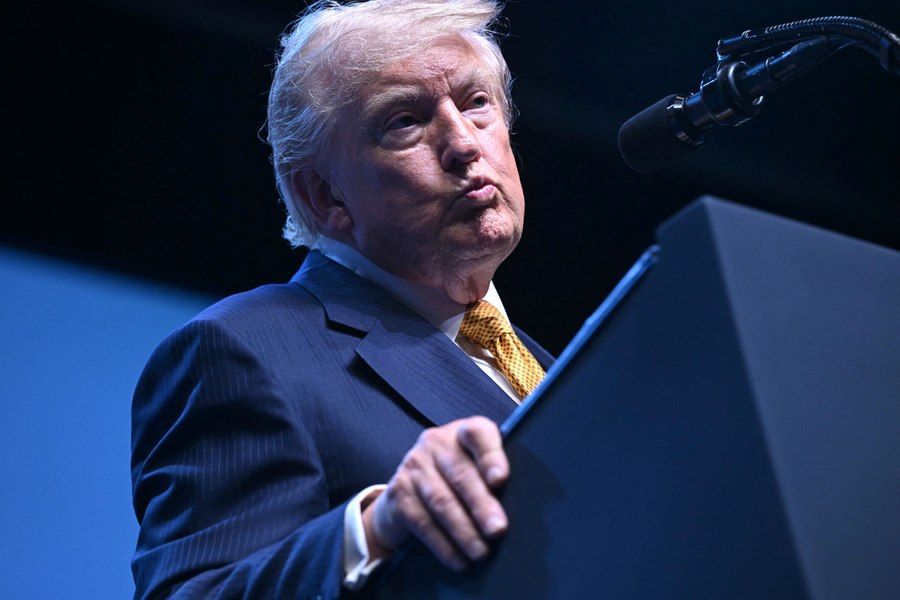
The "America First" policy, championed by former President Donald Trump, continues to fuel questions about the long-term U.S. willingness to bear the costs of allied security. Philippine Defense Minister Gilberto Teodoro stated that a broad consensus exists among regional states regarding the necessity of rapidly developing their own military capabilities. He noted that the Philippines is already expanding defense cooperation with Japan, Australia, Canada, and New Zealand to complement the traditional U.S. role.
We can do two things at the same time.
In this evolving strategic landscape, Japan is stepping forward to become a key pillar of regional military cooperation. Tokyo has recently revised its arms export rules, a significant shift in defense policy. This change permits the export of a much wider range of military equipment, including naval vessels, missile systems, and other defense technologies, signaling an unprecedented regional role for Japan.
All the defense ministers present here agree that we need to strengthen our defensive capabilities in a flexible and rapid manner.
About this summary
Originally published by Adevărul in Romanian. Translated, summarized, and contextualized automatically by DistantNews, with a note on how the source frames the story. Not individually reviewed before publishing. How this works.
More Stories

From Our Blog

News in Translation: What Gets Lost, and How We Keep the Framing

Diaspora Media: How Communities Abroad Follow Home

Traveling Where the Press Is Not Free: How to Read the News There

The Digital Nomad's Guide to Local News

The Same Story, Different Countries: How Coverage Changes at the Border
