


Indonesia’s Election Supervisory Body Questions E-Voting Proposal, Saying Germany Abandoned It
Translated from Indonesian and summarized by DistantNews. Read the original for the full story.
At a glance
News
Named sources
Ongoing story
- Indonesia’s election supervisory body, Bawaslu, has questioned proposals to introduce e-voting and cited Germany’s 2009 constitutional court ruling against the system.
- Bawaslu members said voters must be able to monitor the election process, including those without information-technology expertise, and urged a comprehensive study before implementation.
- The General Elections Commission has said e-voting could address logistical costs, counting errors, lengthy tabulation, overseas access, and accessibility for disabled voters.
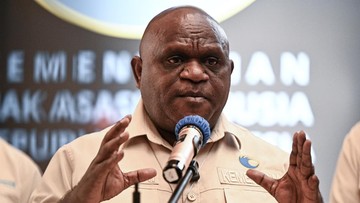
Indonesia’s debate over e-voting has drawn a warning from the country’s election supervisory body, which says digital voting could make the process harder for ordinary citizens to monitor. Bawaslu member Totok Hariyono pointed to Germany, where the constitutional court ruled in 2009 that e-voting was unconstitutional.
“The substance of democracy is that every citizen must be able to control the process,” Totok said in West Java on Thursday. He argued that people without information-technology expertise must also be able to oversee an election, making public control a central issue in any decision about digital voting.
Bawaslu member Lolly Suhendi said the proposal needed a complete assessment before it could move forward. That study would have to account for Indonesia’s geography, and any rollout might need to begin gradually rather than cover the entire country at once. She added that technology should make voting easier for citizens, not create new obstacles.
The substance of democracy is that every citizen must be able to control the process.
Bawaslu is preparing proposed changes for a revision of the Election Law and is considering whether e-voting should be included. The body is collecting issues for its recommendations while the process continues.
The General Elections Commission has previously taken a more open view. Commissioner Betty Epsilon Idroos said e-voting could help address high logistics costs, possible human errors in counting and tabulation, lengthy recapitulation, limited access for voters overseas, and accessibility needs among voters with disabilities. She said the assessment must cover digital technology as well as regulations, institutions, human resources, infrastructure, cybersecurity, and public trust.
It has to be prepared thoroughly.
About this summary
Originally published by CNN Indonesia in Indonesian. Translated, summarized, and contextualized automatically by DistantNews, with a note on how the source frames the story. Not individually reviewed before publishing. How this works.
More Stories


From Our Blog

News in Translation: What Gets Lost, and How We Keep the Framing

Diaspora Media: How Communities Abroad Follow Home

Traveling Where the Press Is Not Free: How to Read the News There

The Digital Nomad's Guide to Local News

The Same Story, Different Countries: How Coverage Changes at the Border
