

Indonesian military court jails four soldiers over acid attack on activist
Summarized and contextualized by DistantNews.
At a glance
News
Named sources
Outcome reported
- Four Indonesian soldiers were sentenced to up to three years in prison for an acid attack on activist Andrie Yunus.
- The attack left Yunus, 27, blind in one eye and was described by a judge as "arrogant conduct."
- Critics argue the trial was a "whitewash" and failed to identify those who planned the attack.
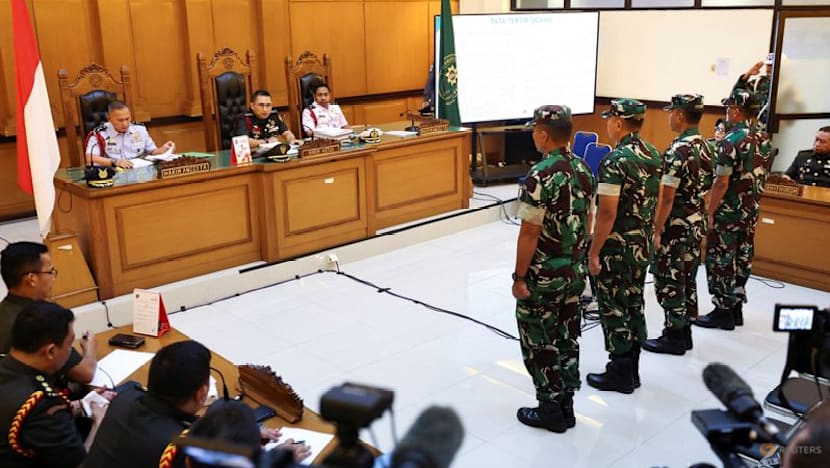
A military court in Jakarta has sentenced four Indonesian soldiers to between one-and-a-half and three years in prison for an acid attack that blinded an activist in one eye. The judge condemned their actions as "arrogant conduct."
The four soldiers, all members of the military's Strategic Intelligence Agency (BAIS), were convicted of premeditated assault. The attack occurred in March and left 27-year-old Andrie Yunus blind in his left eye. Yunus is known for campaigning against the expanding public role of the armed forces.
The actions of the defendants constitute an extrajudicial act of revenge.
While the soldiers were arrested shortly after the incident and the head of BAIS resigned, critics like Amnesty International Indonesia argue the trial was a "blatant whitewash." They contend that the masterminds behind the attack have not been identified and likely never will be. The human rights group stated that the verdict "downplays the severity and impact of the life-threatening attack."
arrogant conduct
Prosecutors had sought a two-and-a-half-year sentence for each soldier. The court found that the soldiers acted on their own initiative, reportedly angered by Yunus and another activist interrupting a lawmaker's meeting to protest a revision to Indonesia's armed forces law. This amendment allows active-duty military personnel to hold positions in government ministries and state institutions.
Andrie Yunus was attacked on his motorbike in Jakarta shortly after recording a podcast discussing the military's perceived growing influence. The prosecutor described the soldiers' actions as an "extrajudicial act of revenge."
Today's verdict downplays the severity and impact of the life-threatening attack on Andrie. It fails to duly consider the involvement of other actors or the chain of command despite independent investigations recently (alleging) that at least 14 individuals had been involved.
DistantNews Editorial
Originally published by CNA. Summarized and contextualized by our editorial team with added local perspective. Read our editorial standards.
More Stories



From Our Blog

What Gets Lost (and Found) When News Is Translated

The Critical Role of Diaspora Media in Global News

What Travellers Should Know About Countries with Restricted Press

A Digital Nomad's Guide to Following Local News

How the Same Story Looks Different in Different Countries
