


Indonesian Parliament Committee proposes 13 crimes eligible for asset forfeiture
Translated from Indonesian and summarized by DistantNews. Read the original for the full story.
At a glance
News
From a news agency
New plan
- Indonesia's House of Representatives' Third Commission has outlined 13 categories of crimes eligible for asset forfeiture under a new bill.
- The proposed list considers expert advice emphasizing the need to limit the scope of crimes, focusing on those with economic motives, significant impact on the state and public, or high seriousness.
- The commission has reviewed asset forfeiture regulations in countries like New Zealand, Singapore, Paraguay, Uruguay, the Philippines, Switzerland, the Netherlands, Italy, the United States, Australia, and the United Kingdom to inform its approach.
Indonesia's House of Representatives' Third Commission has identified 13 specific types of criminal offenses that could be subject to asset forfeiture under the country's proposed Asset Forfeiture Bill. This move aims to strengthen the legal framework for recovering assets derived from criminal activities.
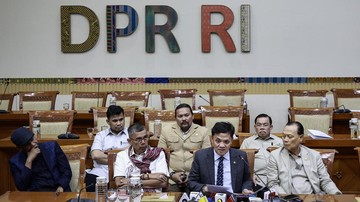
Habiburokhman, the chairman of the Third Commission, stated that the list was determined after careful consideration of expert opinions. These experts stressed the importance of defining a clear scope for the types of crimes covered by the bill. The commission focused on offenses that are economically motivated, cause harm to the state and the wider community, or are considered highly serious with significant economic repercussions.
In developing this list, the commission conducted a comparative study of asset forfeiture laws in several nations. Examples cited include New Zealand, where asset forfeiture without a criminal conviction can apply to significant crimes with penalties exceeding five years imprisonment and a value over NZ$30,000. Singapore, Paraguay, Uruguay, the Philippines, Switzerland, and the Netherlands have provisions for asset forfeiture in cases of drug trafficking or other serious crimes. Italy's regulations specifically target corruption, mafia activities, and other serious organized crimes, while the United States focuses on narcotics, fraud, corruption, and organized crime. Australia and the United Kingdom apply non-criminal asset forfeiture to major cases handled by higher courts.
Habiburokhman affirmed the commission's commitment to ensuring the Asset Forfeiture Bill is effective, proportional, just, and beneficial. He highlighted that input from the public and legal experts will be crucial in shaping the final draft of the bill. The commission intends for the legislation to be participatory and comprehensive, aligning with national interests. The 13 identified criminal offenses include corruption, narcotics and psychotropics, terrorism, human trafficking, and arms smuggling, among others.
About this summary
Originally published by CNN Indonesia in Indonesian. Translated, summarized, and contextualized automatically by DistantNews, with a note on how the source frames the story. Not individually reviewed before publishing. How this works.
More Stories



From Our Blog

What Gets Lost (and Found) When News Is Translated

The Critical Role of Diaspora Media in Global News

What Travellers Should Know About Countries with Restricted Press

A Digital Nomad's Guide to Following Local News

How the Same Story Looks Different in Different Countries
