

Indonesian Police Push for 110 Service, Command Center Transformation
Translated from Indonesian, summarized and contextualized by DistantNews.
At a glance
News
Named sources
New plan
- Indonesia's National Police are pushing for a transformation of their 110 Police Service and Command Center.
- The goal is to improve response times and coordination for public issues.
- In Sorong City, the 110 service handled 3,392 calls from January to June 2026, with a success rate of 88.18%.
Indonesia's National Police are initiating a significant transformation of their public service operations, focusing on the integration and enhancement of the 110 Police Service and Command Center. Assistant Chief of Operations Komjen Pol M. Fadil Imran is spearheading this initiative, aiming to create a more rapid, coordinated, and problem-solving-oriented police response.
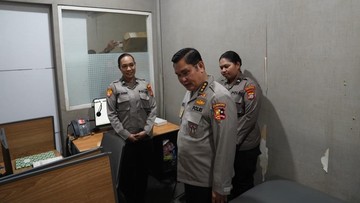
During a working visit to Sorong City Police, Papua Barat Daya, Fadil Imran inspected the 110 service and Command Center's operational mechanisms. Data from the National Police Command Center 110 revealed that Sorong City Police received 3,392 calls between January and June 2026, successfully responding to 2,672, achieving an 88.18% success rate. This marks an improvement from 2025's 80.37% success rate, placing Sorong City second in the Papua Barat Daya regional police.
Answering a call is the beginning of service, not the end. What we must ensure is that after the public presents their problem, who responds, how long it takes for the police to arrive, and whether the public's issue is truly handled.
Despite the positive numbers, Fadil Imran emphasized that success is not solely measured by the number of calls answered. He stressed the importance of ensuring that reported issues are effectively addressed and resolved. "Answering a call is the beginning of service, not the end. What we must ensure is that after the public presents their problem, who responds, how long it takes for the police to arrive, and whether the public's issue is truly handled," he stated.
Imran urged a shift in the police service paradigm from merely receiving reports to actively ensuring every report leads to a tangible resolution. He highlighted the need to measure response times at each stage, from report intake to officer arrival, to identify areas for improvement. Furthermore, he stressed the importance of integrating police functions so the public experiences a unified service, regardless of internal departmental structures. "The public doesn't need to think about which function handles their issue. For the public, it's simple: I need the police. It is our duty to ensure that need is directed to the most appropriate and fastest personnel," he asserted.
The public doesn't need to think about which function handles their issue. For the public, it's simple: I need the police. It is our duty to ensure that need is directed to the most appropriate and fastest personnel.
DistantNews Editorial
Originally published by CNN Indonesia in Indonesian. Translated, summarized, and contextualized by our editorial team with added local perspective. Read our editorial standards.
More Stories


From Our Blog

What Gets Lost (and Found) When News Is Translated

The Critical Role of Diaspora Media in Global News

What Travellers Should Know About Countries with Restricted Press

A Digital Nomad's Guide to Following Local News

How the Same Story Looks Different in Different Countries
