

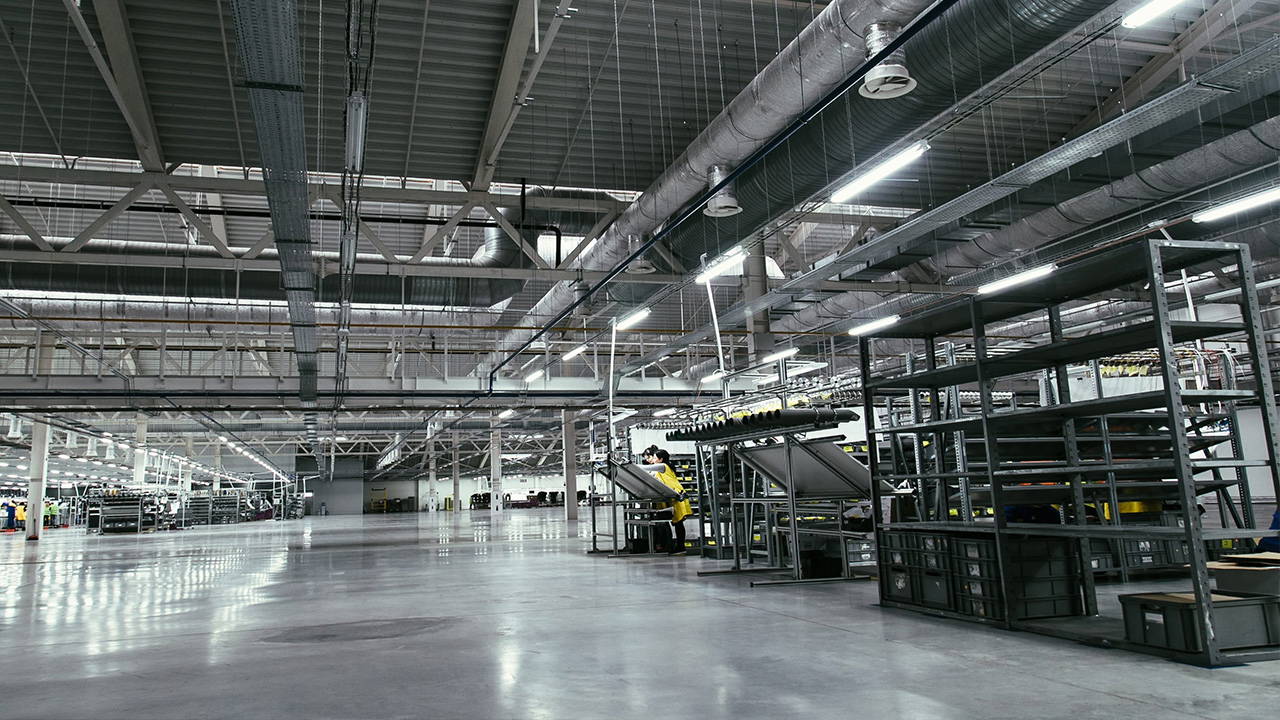
Industrialists are blocked by high land costs in factory investments
Translated from Turkish, summarized and contextualized by DistantNews.
At a glance
News
Named sources
Context piece
- Turkish industrialists face rising costs, with land prices becoming a major hurdle for factory investments.
- The chairman of Sinoz Cosmetics highlighted that land for a 25-duname industrial plot cost 350 million TL, forcing investors to tie up significant capital before construction.
- Experts suggest alternative models, like long-term land use rights for manufacturers who commit to investment and employment, to stimulate production and redirect capital towards machinery and R&D.
High costs are increasingly hindering industrial investments in Turkey, with factory land prices becoming a significant barrier for manufacturers. Yasin Çörekci, Chairman of Sinoz Cosmetics, pointed out that the land for a recently considered 25-dunam (approximately 62-acre) industrial plot alone cost 350 million Turkish Lira (around $11 million USD).
Today, investors must commit hundreds of millions of lira to land before even laying the foundation for their factory.
"Today, investors must commit hundreds of millions of lira to land before even laying the foundation for their factory," Çörekci stated. He emphasized that land itself does not add value to the country; production, exports, and employment do. Manufacturers need to direct their capital towards machinery, technology, research and development, and new production lines, rather than land speculation.
Çörekci added that the current high-interest rate environment already makes new investments challenging. Paying millions of dollars for land, often in remote locations, further exacerbates the difficulty. He suggested that alternative models could accelerate industrial investments, such as allocating state-owned industrial land to manufacturers for long-term use in exchange for specific investment and employment commitments.
The element that provides added value to the country is not land; it is production, export, and employment.
These alternative models would enable capital to be channeled into more productive areas, supporting Turkey's growth narrative which should center on production. Çörekci also highlighted the cosmetic sector's recent export and branding momentum, calling for regulations that enhance international competitiveness. He reiterated that production, exports, and value-added investments are fundamental to sustainable development, and improving the investment climate will yield long-term benefits for the Turkish economy.
I personally, as a producer, am not concerned with owning the title deed or profiting from land speculation.
DistantNews Editorial
Originally published by Cumhuriyet in Turkish. Translated, summarized, and contextualized by our editorial team with added local perspective. Read our editorial standards.
More Stories

From Our Blog

What Gets Lost (and Found) When News Is Translated

The Critical Role of Diaspora Media in Global News

What Travellers Should Know About Countries with Restricted Press

A Digital Nomad's Guide to Following Local News

How the Same Story Looks Different in Different Countries
