


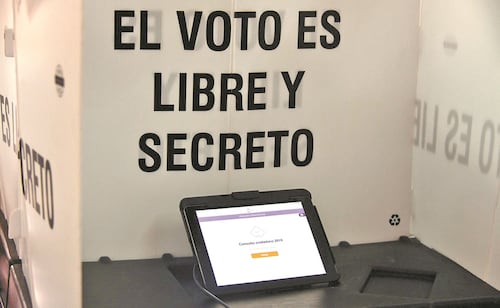
INE Conducts Electronic Voting Simulations for Mexicans Abroad
Translated from Spanish, summarized and contextualized by DistantNews.
At a glance
News
Named sources
New plan
- Mexico's National Electoral Institute (INE) conducted two electronic voting simulations for expatriates.
- The simulations aimed to test and validate the robustness and reliability of the electronic voting system.
- Over 1,500 Mexican nationals living abroad participated in the trials, providing valuable feedback for system improvement.
Mexico's National Electoral Institute (INE) has conducted two electronic voting simulations specifically designed for Mexican citizens residing abroad. These exercises are part of a broader effort by the INE to strengthen the political and electoral rights of Mexicans living outside the country and to ensure the integrity of the voting process.
The simulations provided crucial data for evaluating and validating the robustness and reliability of the electronic voting system. During the first trial, 804 out of 1,042 registered participants, representing 77%, cast their votes. The second simulation saw 713 votes cast from 1,061 registered citizens, achieving a 67% participation rate. The INE stated that these exercises offer concrete evidence of the system's operational functionality and demonstrate the institute's commitment to subjecting its processes to citizen testing.
These trials are integral to the INE's ongoing strategy of continuous evaluation and improvement. The goal is to optimize the processes for credentialing, registration, and voting from abroad, ensuring that every step is verifiable and open to citizen assessment. This approach aims to build certainty and credibility, particularly in a technological landscape that demands transparency and continuous oversight. The INE also reported significant reach for its institutional communication strategy, with 49,859 television impacts, aiming to inform Mexicans living abroad about key electoral information.
In addition to the voting simulations, the INE's citizen attention channels, such as Inetel, handled 31,848 requests for guidance. This figure underscores the substantial demand for information and support from the Mexican diaspora, highlighting the importance of institutional support mechanisms. Each attended query represents a fulfilled commitment to assisting expatriate voters.
DistantNews Editorial
Originally published by El Universal in Spanish. Translated, summarized, and contextualized by our editorial team with added local perspective. Read our editorial standards.
More Stories



From Our Blog

What Press Freedom Means for the News You Read

What Gets Lost (and Found) When News Is Translated

The Critical Role of Diaspora Media in Global News

What Travellers Should Know About Countries with Restricted Press

A Digital Nomad's Guide to Following Local News
