


Inflation Surpasses Target: Bank of Korea Expected to Raise Key Interest Rate This Week
Translated from Korean, summarized and contextualized by DistantNews.
At a glance
News
Sources not specified
New plan
- The Bank of Korea is expected to raise its benchmark interest rate this week due to rising inflation and increased household debt.
- Consumer prices have exceeded the 2% target since March, driven by factors including geopolitical risks and a recovering economy.
- Factors like rising housing prices, increased 'debt-to-equity' investments, and a widening interest rate gap with the U.S. also pressure the central bank to act.
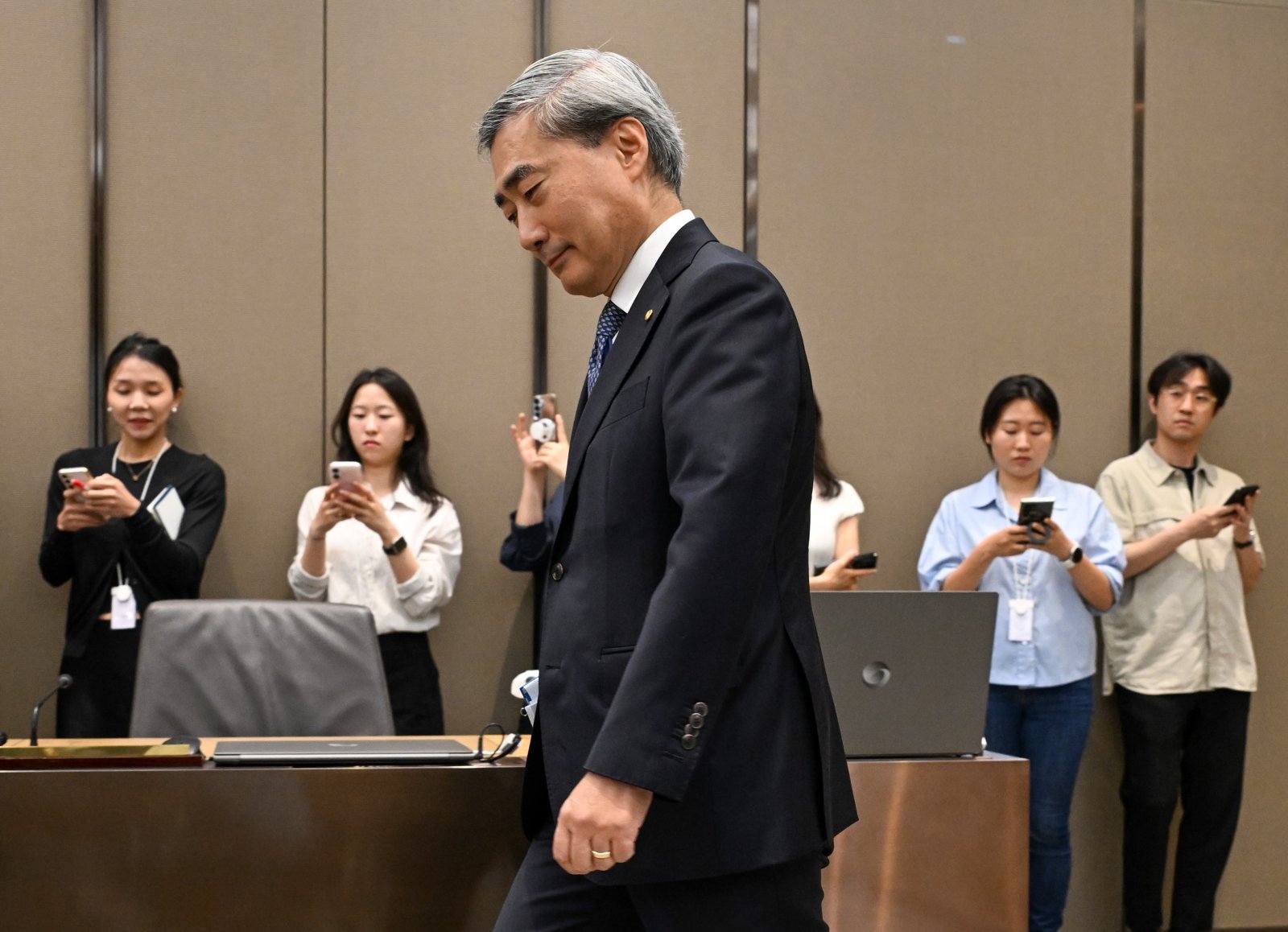
South Korea's central bank is poised to increase its benchmark interest rate this week amid mounting inflationary pressures and expanding household debt, according to reports. The Monetary Policy Committee is scheduled to decide on the rate on July 16th. Although the rate has been held at 2.50% for eight consecutive meetings since July of last year, a rate hike is now widely anticipated.
Bank of Korea Governor Shin Hyun-song has signaled the need for a rate increase, citing inflation exceeding target levels, economic growth, and rising financial stability risks. The primary driver for this potential hike is inflation, which has surpassed the 2.0% target since March, partly due to the impact of the Iran war and subsequent global oil price fluctuations. Core inflation, excluding food and energy, has also shown an upward trend, reaching 2.5% in June.
Adding to the pressure are rising housing prices, particularly in the Seoul metropolitan area, fueled by supply concerns and dwindling inventory. Household debt continues to grow robustly, with bank loans increasing by 7.6 trillion won in June, the largest monthly jump this year. This expansion is partly attributed to increased 'debt-to-equity' investments, where individuals borrow money to invest in stocks.
The widening interest rate differential with the United States also plays a role. The U.S. Federal Reserve's hints at a potential rate hike this year have strengthened the dollar, making it necessary for the Bank of Korea to narrow the gap between its policy rate and the U.S. rate, which currently stands at 3.50-3.75%. Despite these pressures, the South Korean economy shows signs of recovery, boosted by the semiconductor industry, leading the Bank of Korea to revise its growth forecast upward.
Considering the inflation rate exceeding the target level, economic growth, and increasing financial stability risks, it is necessary to raise the benchmark interest rate at an appropriate time.
DistantNews Editorial
Originally published by Dong-A Ilbo in Korean. Translated, summarized, and contextualized by our editorial team with added local perspective. Read our editorial standards.
More Stories

From Our Blog

What Gets Lost (and Found) When News Is Translated

The Critical Role of Diaspora Media in Global News

What Travellers Should Know About Countries with Restricted Press

A Digital Nomad's Guide to Following Local News

How the Same Story Looks Different in Different Countries
