

Inflation undermines Nigeria's sugar tax effectiveness
Translated from English, summarized and contextualized by DistantNews.
At a glance
News
Named sources
Context piece
- Nigeria's sugar-sweetened beverage (SSB) tax, introduced in 2022 to combat non-communicable diseases (NCDs), is failing to curb consumption due to its low value.
- Public health advocates argue the tax is too weak, representing only about 2% of the retail price, far below the WHO's recommended 20%.
- High inflation has further eroded the tax's impact, making the cost of sugary drinks rise due to production costs rather than the levy itself.
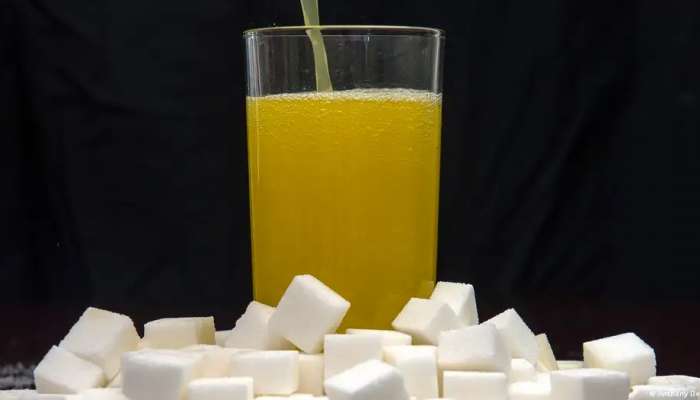
Nigeria's 2022 tax on sugar-sweetened beverages (SSB), intended to curb rising rates of diabetes and other non-communicable diseases (NCDs), is proving ineffective, according to public health advocates and economists. NCDs account for a significant portion of deaths in Nigeria, with millions living with diabetes, a problem exacerbated by the increasing consumption of ultra-processed foods, especially in urban areas.
The levy, set at 10 Naira per liter, was designed to discourage excessive sugar intake and generate healthcare revenue. However, its value has been severely diminished by soaring inflation and currency devaluation. Experts like Ikemesit Effiong of SBM Intelligence argue that the 10 Naira tax amounts to "pocket change, not policy," failing to reach the World Health Organization's recommended 20% threshold.
Nigeria's 10 (Naira) per litre, which translates to barely 2% of the retail price, is pocket change, not policy.
Inflation has driven up the cost of goods, including beverages, making the tax's impact negligible. The price of soft drinks has more than doubled for many Nigerians, primarily due to rising production costs and economic shocks, such as the removal of fuel subsidies, rather than the sugar tax itself. Opeyemi Ibitoye of the Corporate Accountability and Public Participation Africa notes that the tax is not percentage-based, so its impact erodes over time as manufacturers adjust prices.
Experts suggest that increasing the SSB excise tax to 130 Naira per liter could raise retail prices by approximately 39% and potentially reduce per-capita consumption by 29%. This measure could also generate substantial revenue for health programs, with the Minister of Health and Social Welfare, Muhammad Pate, indicating that up to 40% of generated revenue could be allocated to health initiatives. Despite Nigeria ranking fourth globally in SSB consumption, the current tax policy appears insufficient to alter health outcomes.
The common drink size in the country is 50cl (centilitre) or smaller, meaning the tax adds only about 5 Naira or less per bottle. Because it is not percentage-based, the levy does not adjust for inflation or manufacturers' price hikes. So, its impact erodes over time.
DistantNews Editorial
Originally published by Times of Oman in English. Translated, summarized, and contextualized by our editorial team with added local perspective. Read our editorial standards.
More Stories
From Our Blog

What Gets Lost (and Found) When News Is Translated

The Critical Role of Diaspora Media in Global News

What Travellers Should Know About Countries with Restricted Press

A Digital Nomad's Guide to Following Local News

How the Same Story Looks Different in Different Countries
