


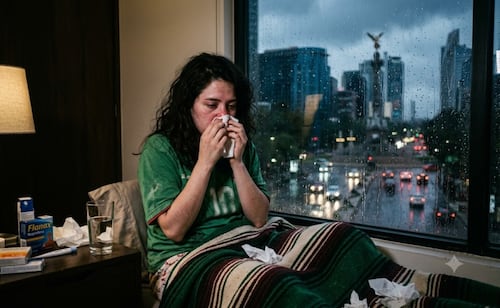
Influenza season in Mexico; how to protect your family according to experts
Translated from Spanish, summarized and contextualized by DistantNews.
At a glance
Explainer
Official statement
Context piece
- Mexico is experiencing a rise in influenza cases due to the rainy season.
- Health experts emphasize combining vaccination with strict hygiene practices to prevent spread.
- Vulnerable populations, including children, the elderly, and those with chronic illnesses, are prioritized for free vaccination.
Mexico is currently facing an increase in influenza and seasonal flu infections, coinciding with the ongoing rainy season. Health experts are stressing the critical importance of a dual approach: receiving the annual flu vaccine alongside rigorous hygiene practices to effectively curb the spread of the virus within families and workplaces.
specialists of institutions of governmental institutions underline the importance of combining immunization with rigorous hygiene practices to mitigate contagion in your family or even at your work.
According to guidelines from the Mexican Government, including institutions like the Ministry of Health and the National Institute for Adults in Older Age (INAPAM), the annual vaccination is the primary defense. This immunization effort aims to protect the most susceptible groups in the population. The vaccine is provided free of charge at public health facilities.
The vaccination program prioritizes vulnerable groups such as children aged 6 to 59 months, adults over 60, pregnant women, and individuals with chronic health conditions like diabetes or obesity. Doses are available at clinics run by the Mexican Social Security Institute (IMSS), ISSSTE, and local Ministry of Health modules. Citizens can use an official government platform to find the nearest health center.
The immunization has the objective of protecting the most susceptible sectors of the population, offering a free and safe biological in public facilities.
Beyond medical interventions, specialists highlight the necessity of consistent preventive actions. The Centers for Disease Control and Prevention (CDC) emphasizes that daily habits are highly effective in halting pathogen transmission. Key recommendations include thorough hand washing with soap and water or using hand sanitizer, practicing respiratory etiquette by covering coughs and sneezes with the elbow, ensuring good ventilation in indoor spaces, and protecting the face and wearing warm clothing when outdoors to shield the respiratory system from cold air.
daily actions effectively stop the transmission of pathogens in the family and work environment.
Health authorities in the State of Mexico urge residents to adhere to these preventive measures, especially during the rainy season. They strongly advise seeking immediate professional medical evaluation if any family member develops symptoms such as fever, cough, or sore throat. This proactive approach is essential to manage potential outbreaks and protect public health.
in this rainy season, it is essential to take preventive measures to avoid illnesses.
DistantNews Editorial
Originally published by El Universal in Spanish. Translated, summarized, and contextualized by our editorial team with added local perspective. Read our editorial standards.
More Stories



From Our Blog

What Press Freedom Means for the News You Read

What Gets Lost (and Found) When News Is Translated

The Critical Role of Diaspora Media in Global News

What Travellers Should Know About Countries with Restricted Press

A Digital Nomad's Guide to Following Local News
