


Infrastructure, energy and credit: The three keys to unlocking investment, according to business leaders and officials
Translated from Spanish and summarized by DistantNews. Read the original for the full story.
At a glance
News
Named sources
Context piece
- Business leaders and officials at a Clarín forum said Argentina needs better transport infrastructure, energy networks and financing to unlock private investment.
- Officials highlighted provincial infrastructure agreements and plans involving mining, energy, transport and about 9,000 kilometers of roads.
- Executives cited gaps in rail and road access, waterways and skilled labor while outlining planned airport investment and opportunities in Vaca Muerta and mining.
Argentina’s investment debate has narrowed to a practical list of bottlenecks: roads, railways, ports, energy and credit. At the third meeting of the seventh Democracia y Desarrollo cycle, organized by Grupo Clarín, business leaders and officials repeatedly returned to the infrastructure needed to turn productive opportunities into actual investment.
Chief of Cabinet Diego Santilli opened the event by pointing to agreements the government is reaching with provinces to advance infrastructure linked to mining, energy and transport. He cited work with Río Negro, Neuquén and San Juan, and previewed developments involving concessions for about 9,000 kilometers of roads. He also emphasized the recovery of freight railways and the use of navigable waterways to move products that now travel hundreds of kilometers by truck.
“Everything in the country is being watched for its investments and exports. It is setting records,” Santilli said. The event drew political figures, financial advisers and business executives, as well as China’s ambassador to Argentina, Wang Wei.
Everything in the country is being watched for its investments and exports. It is setting records.
Roberto Murchison, executive chairman of Grupo Murchison, said ports have available capacity but that the main shortcomings lie in rail and road connections and the condition of the Hidrovía. Argentina handled a record 2.2 million TEUs in 2025, he said, compared with around 4.5 million moved by Chile. Better access could help Argentina make fuller use of infrastructure already in place.
Martín Eurnekian of Aeropuertos Argentina said the company plans to invest about $200 million to improve two runways and airport operations. He also pointed to growth in air cargo and the effects of deregulation, calling Argentina “the example to follow, I would say, in Latin America” for aviation-sector reforms.
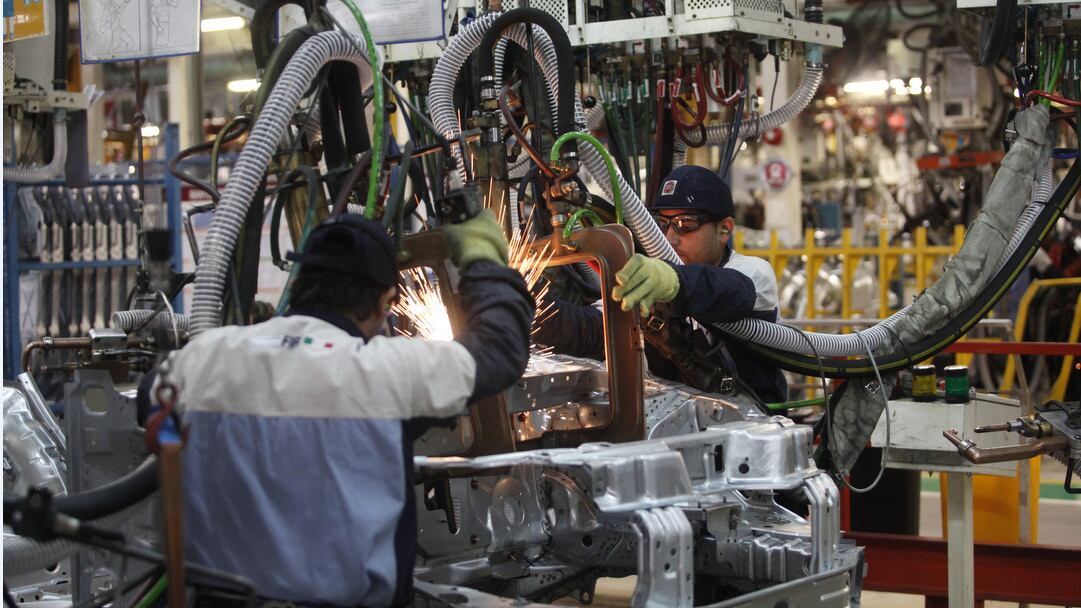
Techint chairman Carlos Bacher focused on Vaca Muerta and mining. Large projects need roads, railways, power lines, water and logistics, he said, while years of weaker activity in major construction projects have left a shortage of trained workers. Bacher also said technology could raise productivity, citing automated welding used on the Perito Moreno gas pipeline.
Argentina is the example to follow, I would say, in Latin America regarding deregulation reforms in the aviation sector.
About this summary
Originally published by Clarín in Spanish. Translated, summarized, and contextualized automatically by DistantNews, with a note on how the source frames the story. Not individually reviewed before publishing. How this works.
More Stories


From Our Blog

News in Translation: What Gets Lost, and How We Keep the Framing

Diaspora Media: How Communities Follow News From Home

Traveling Where the Press Is Not Free: How to Read the News There

The Digital Nomad's Guide to Local News

The Same Story, Different Countries: How Coverage Changes at the Border
