


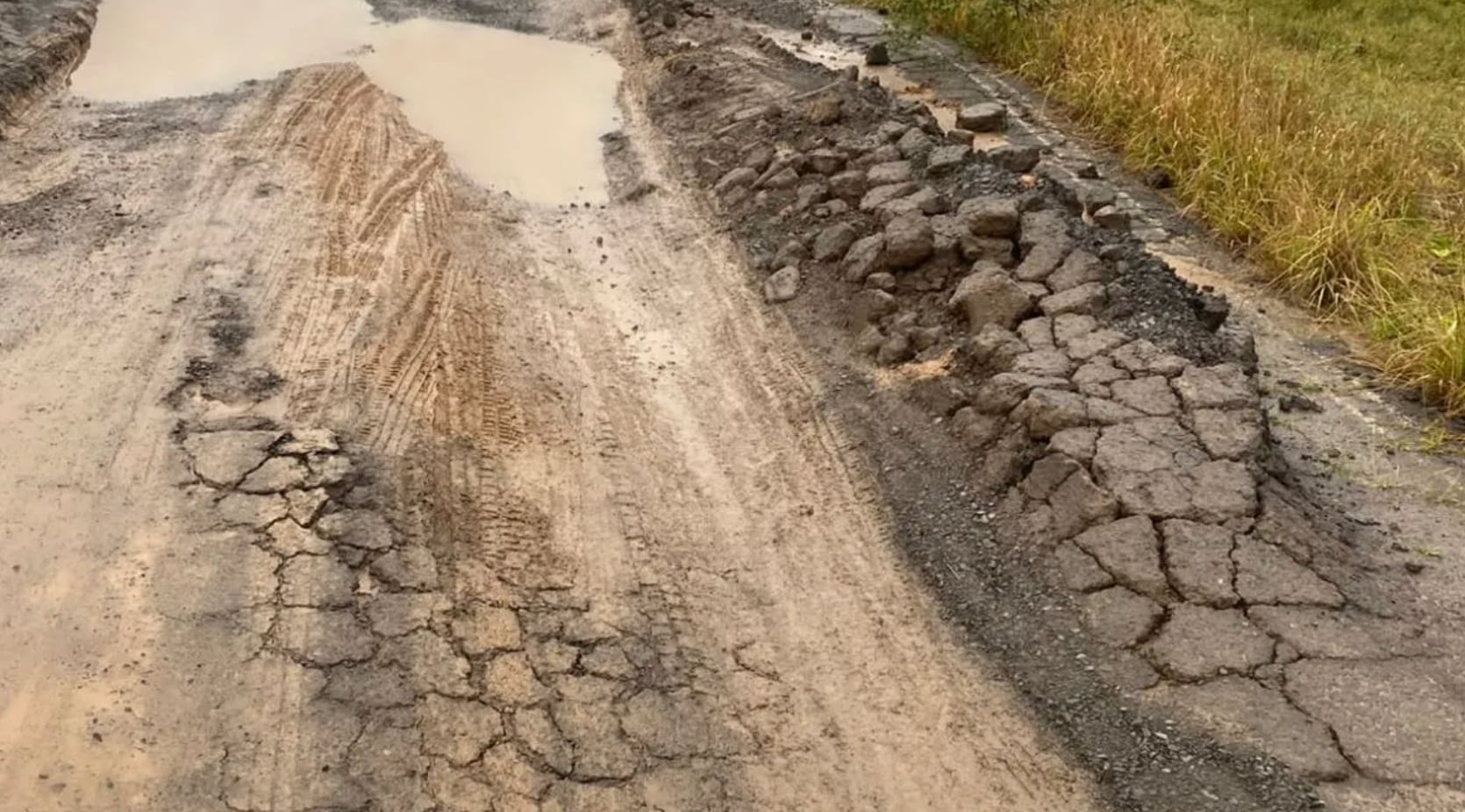
Insfrán's roads: Denunciations of poor conditions hindering Formosa's production
Translated from Spanish, summarized and contextualized by DistantNews.
At a glance
News
Sources not specified
Context piece
- Rural organizations in Formosa, Argentina, report severe deterioration of national and rural roads, impacting agricultural production and connectivity.
- Key routes like 86 and 95 are in poor condition, causing transitability issues, increased logistical costs, and safety risks for producers and transporters.
- The poor state of roads hinders the movement of goods and people, affecting access to education, healthcare, and essential services for rural communities.
The critical state of road infrastructure in Argentina's Formosa province has raised alarms within the agricultural sector. Following visits to various towns, the Argentine Rural Confederations (CRA) highlighted the severe deterioration of national and rural roads, a problem producers and leaders say directly impacts economic activity, connectivity, and daily life for thousands in the interior.
During inspections in Pirané, Comandante Fontana, and General Belgrano, the condition of the road corridors emerged as a primary concern for local rural entities. CRA reported that infrastructure deficiencies significantly affect agricultural production, inflate logistical costs, and impede the movement of goods and people in a province governed by Gildo Insfrán, where connectivity is vital for development. Producers and leaders specifically pointed to national routes 95 and 86 as strategic for transporting livestock, grains, supplies, and merchandise. These routes reportedly suffer from significant transitability problems, posing constant risks to daily users.
According to CRA, the observed deficiencies include deep potholes, road surface deformations, damaged shoulders, and extensive wear across many sections. These conditions not only compromise road safety but also increase operational costs for producers, transporters, and agribusinesses. The situation worsens during rainy periods, rendering many secondary and tertiary roads virtually impassable. This makes it difficult to transport essential goods and limits access to vital services for rural communities, impacting education and healthcare facilities.
Producers emphasized that the road infrastructure problem extends beyond production, affecting fundamental social aspects. The CRA stressed that robust road infrastructure is indispensable for regional economic growth. They warned that a lack of sustained maintenance ultimately undermines the competitiveness of the province's economy.
DistantNews Editorial
Originally published by La Nación in Spanish. Translated, summarized, and contextualized by our editorial team with added local perspective. Read our editorial standards.
More Stories



From Our Blog

What Gets Lost (and Found) When News Is Translated

The Critical Role of Diaspora Media in Global News

What Travellers Should Know About Countries with Restricted Press

A Digital Nomad's Guide to Following Local News

How the Same Story Looks Different in Different Countries
