

Intact Roman-era tomb unearthed in Croatia
Translated from Hungarian, summarized and contextualized by DistantNews.
At a glance
News
Named sources
Ongoing story
- Archaeologists in Croatia discovered an intact Roman-era tomb containing the remains of a man aged 40-45.
- This undisturbed tomb is one of only two found in such a condition among over two hundred similar sites.
- The well-preserved skeleton will undergo detailed anthropological, DNA, radiocarbon, and isotopic analyses.
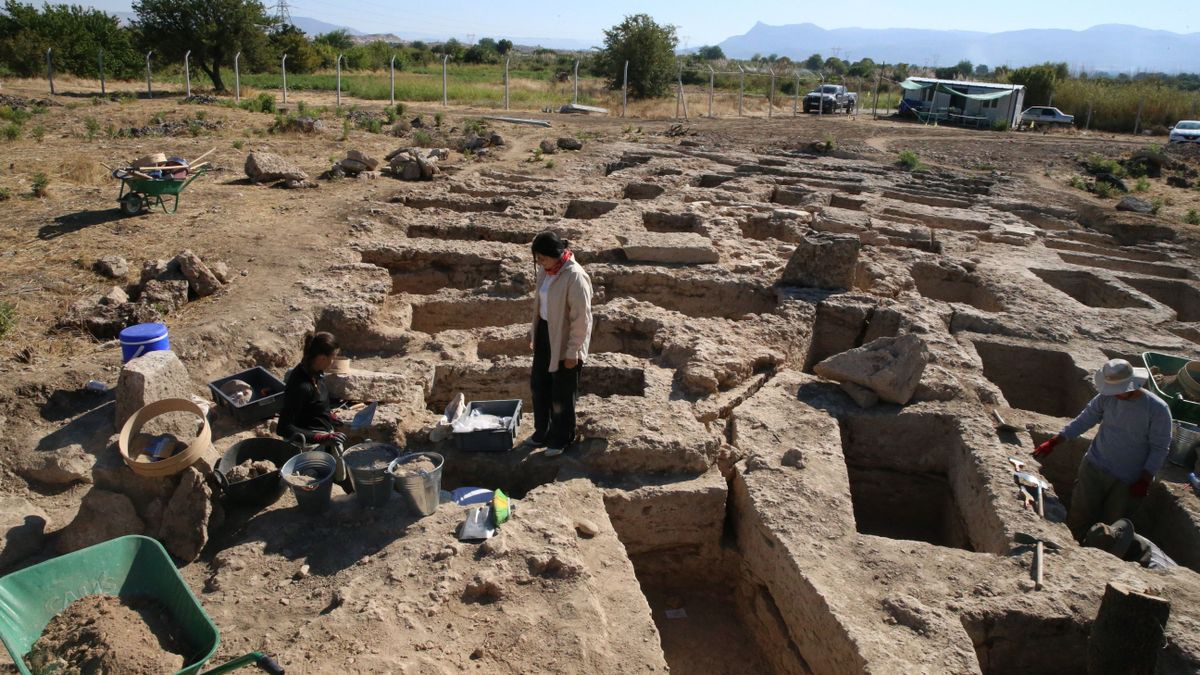
An exceptionally well-preserved, undisturbed Roman-era tomb has been unearthed in Croatia, offering a rare glimpse into burial practices of the period. The discovery was made by archaeologists, and initial findings suggest the tomb belongs to a man between 40 and 45 years old.
Hrvoje Vulic, director of the Vinkovci City Museum, highlighted the significance of the find. Among the excavated burials, which include a brick-lined tomb with 11 skeletons and 32 cremations, this particular tomb stood out. It had remained untouched by grave robbers, a rarity that has preserved its contents for centuries. Vulic noted that out of more than two hundred similar tombs discovered previously, only two had survived in such pristine condition, according to Croatia Week.
The skeletal remains found within the tomb are in a relatively good state of preservation. This condition is crucial for enabling a comprehensive suite of scientific analyses. Researchers plan to conduct detailed anthropological examinations, as well as DNA, radiocarbon, and isotopic testing. These studies are expected to provide valuable insights into the individual's life, health, and origins.
In addition to the skeletal remains, archaeologists also recovered a metal object and a fragment of bronze from within the tomb. These artifacts may offer further clues about the individual's status, occupation, or the cultural context of the burial. The research is ongoing, and archaeologists anticipate uncovering more significant artifacts as the excavation continues.
DistantNews Editorial
Originally published by Magyar Nemzet in Hungarian. Translated, summarized, and contextualized by our editorial team with added local perspective. Read our editorial standards.
More Stories



From Our Blog

Countries Without a Free Press: What You Need to Know

What Press Freedom Means for the News You Read

What Gets Lost (and Found) When News Is Translated

The Critical Role of Diaspora Media in Global News

What Travellers Should Know About Countries with Restricted Press
