

International Law Proves Stronger Than Many Believe | Die Zeit (DE) | 01KYC6CJMJDQWBVW44EKJ2NAEY
Translated from German, summarized and contextualized by DistantNews.
At a glance
News
Named sources
Context piece
- International law is proving more resilient than many believe.
- The International Criminal Court in The Hague demonstrates persistent determination.
- This challenges the notion that international law has become ineffective.
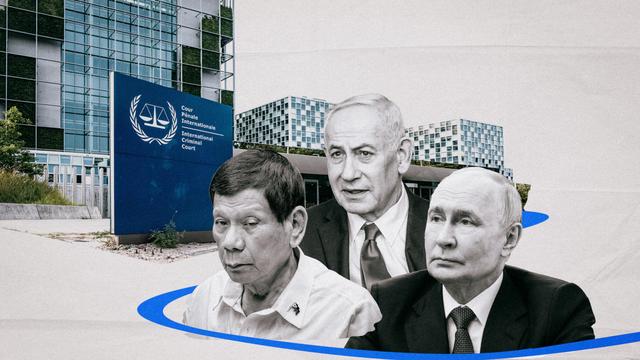
Despite widespread skepticism about its efficacy, international law is proving to be remarkably tenacious. The International Criminal Court (ICC) in The Hague, in particular, is demonstrating a persistent and often surprising resilience. This ongoing commitment challenges the prevailing view that international legal mechanisms have become largely ineffectual in the face of global conflicts and political realities.
Many observers have come to view international law as weak or powerless, especially when confronted with powerful states or entrenched conflicts. However, the ICC's continued operations and its pursuit of justice, even in complex and politically charged cases, suggest a different narrative. The court's actions serve as a reminder that legal frameworks, though often slow and imperfect, can still exert influence and hold individuals accountable.
The persistence of international law, as exemplified by the ICC, suggests that it remains a significant force, even if its impact is not always immediately apparent. It underscores the long-term struggle for justice and accountability on the global stage, pushing back against the idea that might always makes right. The court's determination offers a counterpoint to cynicism, highlighting the enduring power of legal principles.
DistantNews Editorial
Originally published by Die Zeit in German. Translated, summarized, and contextualized by our editorial team with added local perspective. Read our editorial standards.
More Stories


From Our Blog

What Gets Lost (and Found) When News Is Translated

How the Same Story Looks Different in Different Countries

The Critical Role of Diaspora Media in Global News

What Travellers Should Know About Countries with Restricted Press

A Digital Nomad's Guide to Following Local News
