

Invasive Caterpillar Hairs Cause Itching and Rashes in Odense, Denmark
Translated from Danish, summarized and contextualized by DistantNews.
At a glance
News
Named sources
Context piece
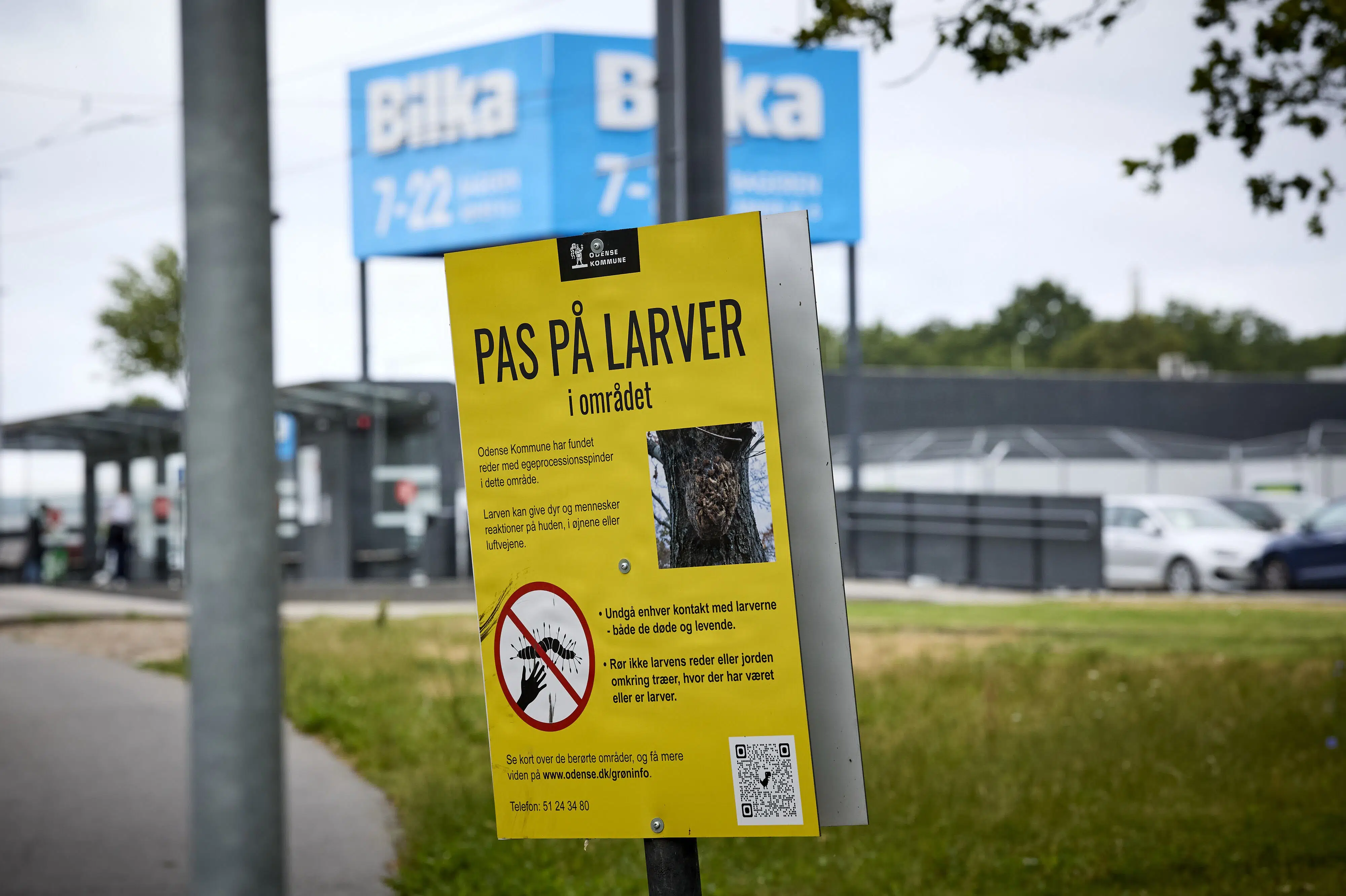
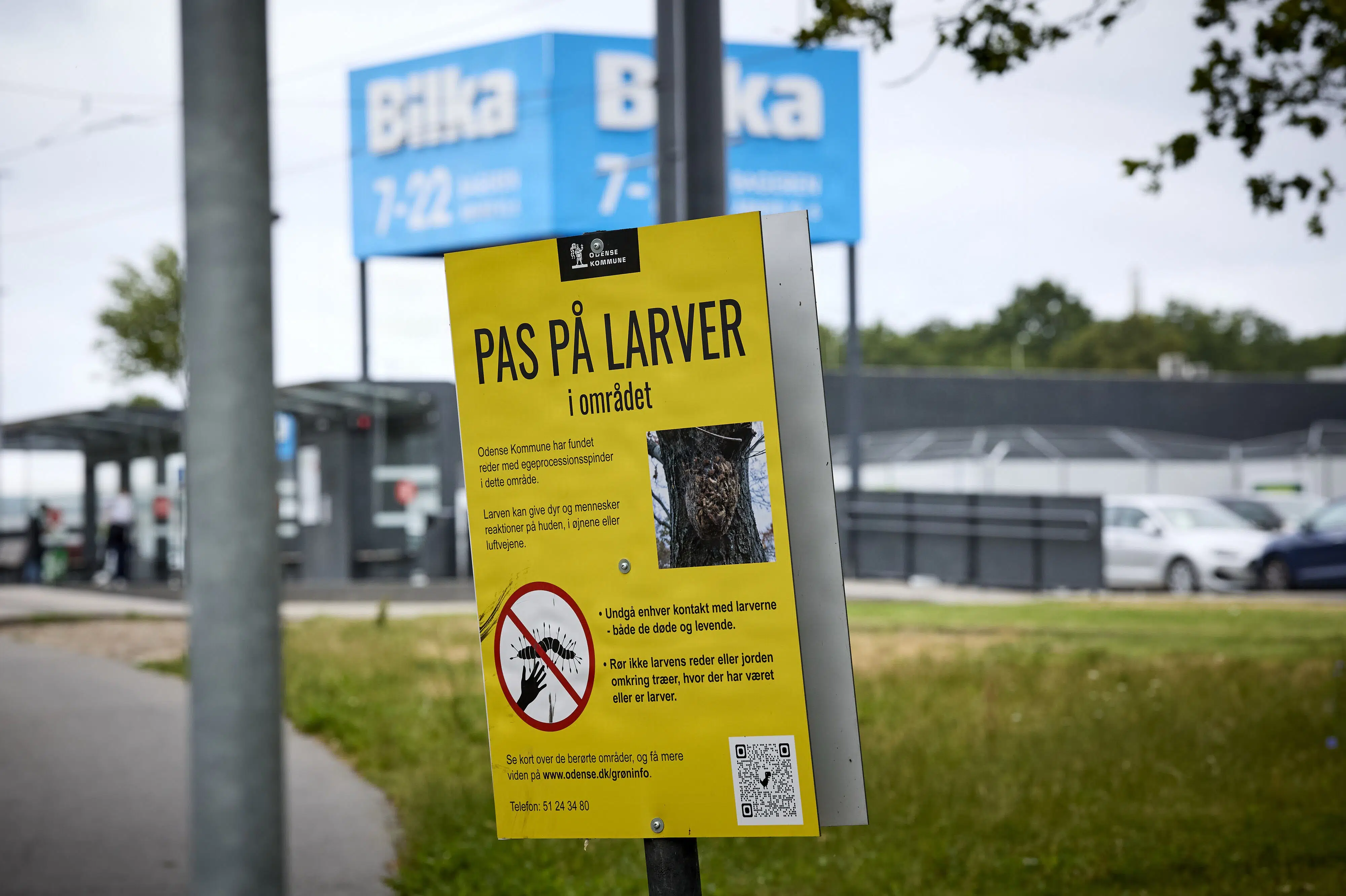
- Residents in Odense, Denmark, are experiencing rashes and itching due to the hairs of an invasive caterpillar, the oak processionary moth.
- The Odense Municipality has advised against using certain sidewalks and bike paths where the caterpillars are present.
- A demonstration was held calling for more dialogue with the municipality regarding its response to the caterpillar infestation.
A wave of itchy rashes and discomfort is affecting residents in Odense, Denmark, caused by the fine hairs of the oak processionary moth caterpillar. The municipality has responded by advising citizens to avoid specific sidewalks and bike paths known to be infested with the larvae.
The oak processionary moth, a species of moth that lives in oak trees, poses a nuisance in its larval stage. The caterpillars are characterized by their gray-brown bodies, long white hairs, and blue and orange spots. Each caterpillar can shed up to 60,000 hairs when it molts. These hairs contain an urticating protein that can cause skin rashes, eye irritation, and respiratory problems in humans and animals, with symptoms often compared to contact with nettles or jellyfish stings.
In response to public concern, a group of citizens organized a demonstration on Saturday, seeking a more direct dialogue with the Odense Municipality about its strategy for combating the invasive species. This action followed a municipal meeting held the previous day to discuss the issue.
The oak processionary moth was first identified in Odense in January of the previous year, likely arriving on imported trees from Germany. While not classified as an invasive species within the EU, it has been spreading northward into countries like Belgium, the Netherlands, Germany, and England in recent years. The caterpillars pupate in communal nests before developing into adult moths, a process that takes one to two weeks. Females lay between 30 to 200 eggs, typically on tree branches.
DistantNews Editorial
Originally published by Berlingske in Danish. Translated, summarized, and contextualized by our editorial team with added local perspective. Read our editorial standards.
More Stories



From Our Blog

What Gets Lost (and Found) When News Is Translated

The Critical Role of Diaspora Media in Global News

What Travellers Should Know About Countries with Restricted Press

A Digital Nomad's Guide to Following Local News

How the Same Story Looks Different in Different Countries
