

Invisible Dangers at Swimming Spots: Firefighters Explain Deadly Currents
Translated from Romanian, summarized and contextualized by DistantNews.
At a glance
News
Named sources
Context piece
- Romanian firefighters are warning about the hidden dangers of swimming in unregulated waters, especially due to strong currents.
- Last year, nearly 200 people drowned in Romania, with many victims being young individuals aged 15-33.
- Experts explain that various underwater currents, including surface, vortex, and main currents, can quickly overpower even strong swimmers, posing a significant risk.
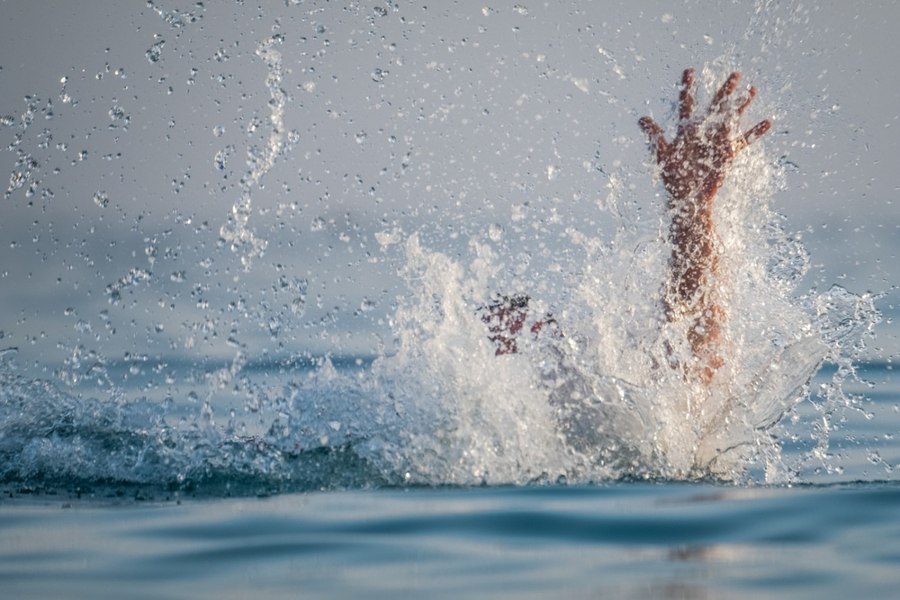
As warmer weather arrives, Romanian firefighters are issuing urgent warnings about the invisible dangers lurking in rivers and lakes, emphasizing that swimming in unequipped or unauthorized areas remains a primary cause of summer tragedies. Last year alone, nearly 200 individuals drowned across Romania, according to data from the Inspectorate for Emergency Situations.
In regions with high incident rates, emergency service teams are conducting daily patrols along waterways to caution those who disregard the risks. The message is clear: avoid swimming if you are not a proficient swimmer, stay close to the shore, refrain from jumping from bridges or makeshift structures, and always supervise children. In Giurgiu county, one of the areas most affected by drownings, 19 people have lost their lives in the past five years, with a significant number being young men between 15 and 33 years old.
Local fishermen often witness these tragedies. One recounted how a man in his mid-30s jumped into the water from a docked boat and never resurfaced. The dangers are amplified on larger bodies of water like the Danube, where even divers require safety cables and victims have been carried kilometers by the current. Experts explain that flowing waters harbor multiple types of currents: surface currents can pull swimmers away from the shore, vortex currents drag victims downward, and the strongest main current, found deeper, quickly exhausts swimmers.
Even skilled swimmers may struggle against these forces. The ability to survive often depends on being carried to a calmer zone where one can resurface. Additional risks include collapsing, eroded riverbanks and the sudden shock of cold water, which can cause cardiac arrest. Firefighters stress that understanding these hidden dangers is crucial to preventing further loss of life during the summer season.
DistantNews Editorial
Originally published by Adevărul in Romanian. Translated, summarized, and contextualized by our editorial team with added local perspective. Read our editorial standards.
More Stories


From Our Blog

What Gets Lost (and Found) When News Is Translated

The Critical Role of Diaspora Media in Global News

What Travellers Should Know About Countries with Restricted Press

A Digital Nomad's Guide to Following Local News

How the Same Story Looks Different in Different Countries
