


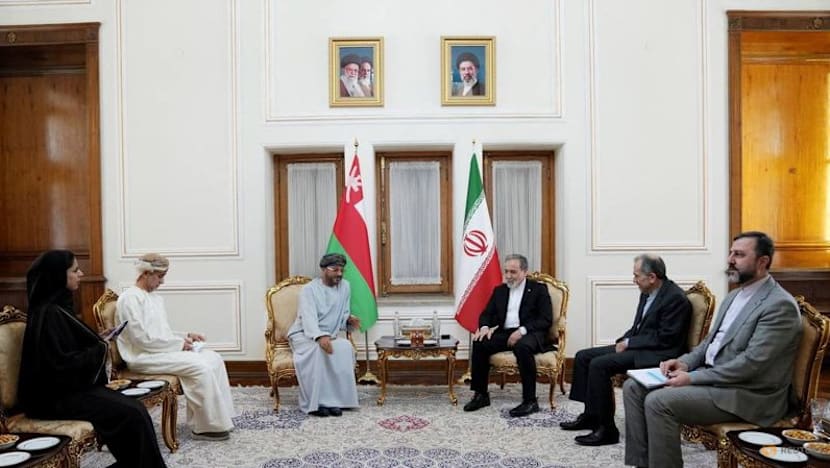
Iran and Oman discuss temporary Hormuz corridor as impasse with US drags on
Summarized and contextualized by DistantNews.
At a glance
News
Sources not specified
Ongoing story
- Iran and Oman are discussing a joint temporary navigational corridor through the Strait of Hormuz amid ongoing US economic pressure.
- The talks aim to manage traffic and clear the strait of mines, which is crucial for global oil and LNG shipments.
- Despite diplomatic stalemates and a recent tanker attack, the US is redeploying some personnel to Middle East diplomatic missions, suggesting a perceived lower risk of escalation.
Iran announced it has resumed discussions with Oman regarding the management of the Strait of Hormuz, a vital waterway facing heightened economic pressure from the United States. The two neighboring countries have been engaged in intermittent talks for weeks concerning traffic control through the strategic strait, which previously handled a fifth of global oil and liquefied natural gas. Shipping through the strait has been largely halted since the conflict began in February. On Tuesday, Iran and Oman stated they discussed establishing a "joint temporary navigational corridor" and agreed to clear the waterway of mines. U.S. President Donald Trump asserted that all mines in the strait had been cleared, echoing previous statements. Although active hostilities between the U.S. and Iran have subsided, diplomatic efforts for a peace deal remain stalled, and passage through the strait continues to be perilous. A recent incident saw an oil tanker struck by an unidentified projectile near Oman's Ash Shishah, disabling the vessel. Separately, the U.S. Secret Service acknowledged awareness of a video broadcast by Iranian state television detailing a potential plot to assassinate Trump's youngest son, Barron. Despite these tensions, the U.S. is beginning to redeploy personnel to some Middle East diplomatic missions evacuated or downsized during periods of heightened tension with Iran. This move indicates Washington perceives a reduced risk of conflict escalation in the near term, though some embassies will operate at reduced capacity initially. The U.S. had previously threatened sanctions against countries continuing business with Iran, but stated penalties would not be immediate. Oil prices have fallen as traders appear unconcerned by the U.S. sanctions, while Iran has condemned the U.S. attempt to isolate its economy as "gross lawlessness," expressing confidence that many nations will resist the pressure campaign.
DistantNews Editorial
Originally published by CNA. Summarized and contextualized by our editorial team with added local perspective. Read our editorial standards.
More Stories

From Our Blog

What Gets Lost (and Found) When News Is Translated

The Critical Role of Diaspora Media in Global News

What Travellers Should Know About Countries with Restricted Press

A Digital Nomad's Guide to Following Local News

How the Same Story Looks Different in Different Countries
