


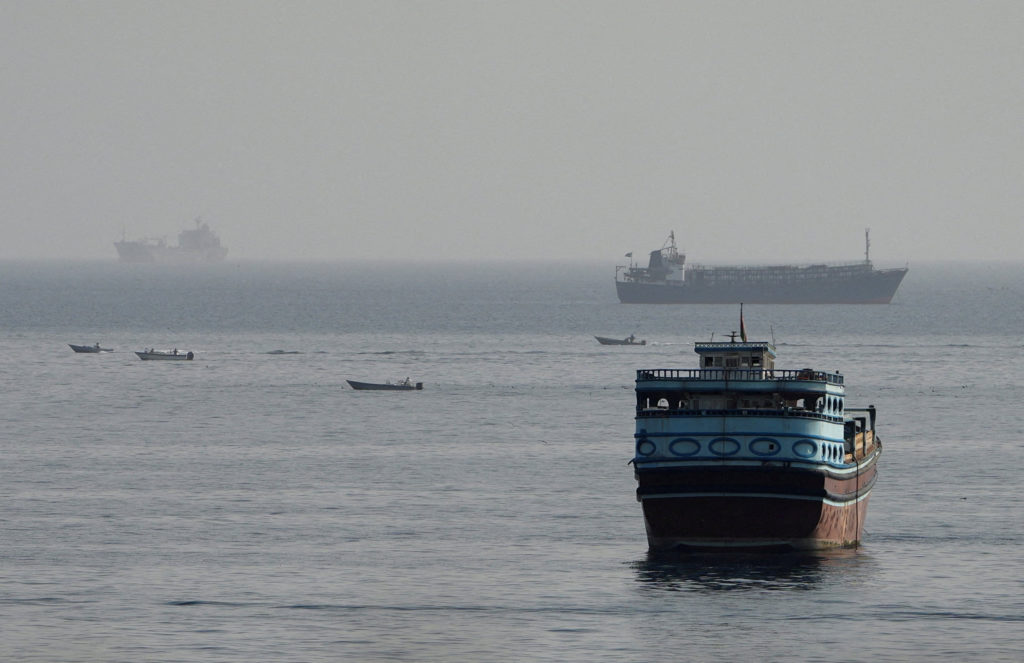
Iran and Oman near deal to reopen Strait of Hormuz, officials say
Translated from English, summarized and contextualized by DistantNews.
At a glance
News
Named sources
Ongoing story
- Iran and Oman are nearing a deal to reopen the Strait of Hormuz, potentially easing the Middle East war.
- The proposed agreement would route ships through Iranian-controlled waters entering the Gulf and Omani-controlled waters exiting, with fees for security and environmental services.
- The U.S. opposes any deal granting Iran control or imposing tolls, advocating for the status quo of open transit.
Iran and Oman have made significant progress toward a deal that could reopen the Strait of Hormuz, a crucial waterway for global shipping, regional officials said Tuesday. The emerging agreement aims to facilitate safe passage for vessels, potentially de-escalating the ongoing war in the Middle East.
The final results of these negotiations will be announced once concluded.
Under the proposed terms, ships entering the Persian Gulf would navigate through a route controlled by Iran, while exiting vessels would use a route managed by Oman. Service fees would be levied for security and the preservation of the maritime environment. Negotiations are ongoing, and the final agreement could differ, with any deal potentially linked to the lifting of U.S. sanctions on Iran's ports.
However, the United States has expressed opposition to any arrangement that grants Iran control over the strait or involves charging tolls. A U.S. official familiar with the negotiations stated that any temporary routes would not require Iranian approval or fees, emphasizing a commitment to the status quo where no single party controls transit. U.S. President Donald Trump has reiterated his stance against tolls, warning that any attempt to charge would be met with reciprocal charges.
there's been progress made in those talks, but not finality yet. We're hoping that will happen very shortly.
Iranian officials confirmed bilateral talks with Oman are focused on establishing safe shipping lanes that respect sovereign rights and national security interests. U.S. Secretary of State Marco Rubio acknowledged progress but stressed that a final agreement has not yet been reached. He previously warned that any deal giving Iran control over the strait would set a dangerous precedent.
I'm not going to let them charge. Anybody's going to charge, we'll charge.
DistantNews Editorial
Originally published by PBS NewsHour in English. Translated, summarized, and contextualized by our editorial team with added local perspective. Read our editorial standards.
More Stories

From Our Blog

How the Same Story Looks Different in Different Countries

What Gets Lost (and Found) When News Is Translated

The Critical Role of Diaspora Media in Global News

What Travellers Should Know About Countries with Restricted Press

A Digital Nomad's Guide to Following Local News
