

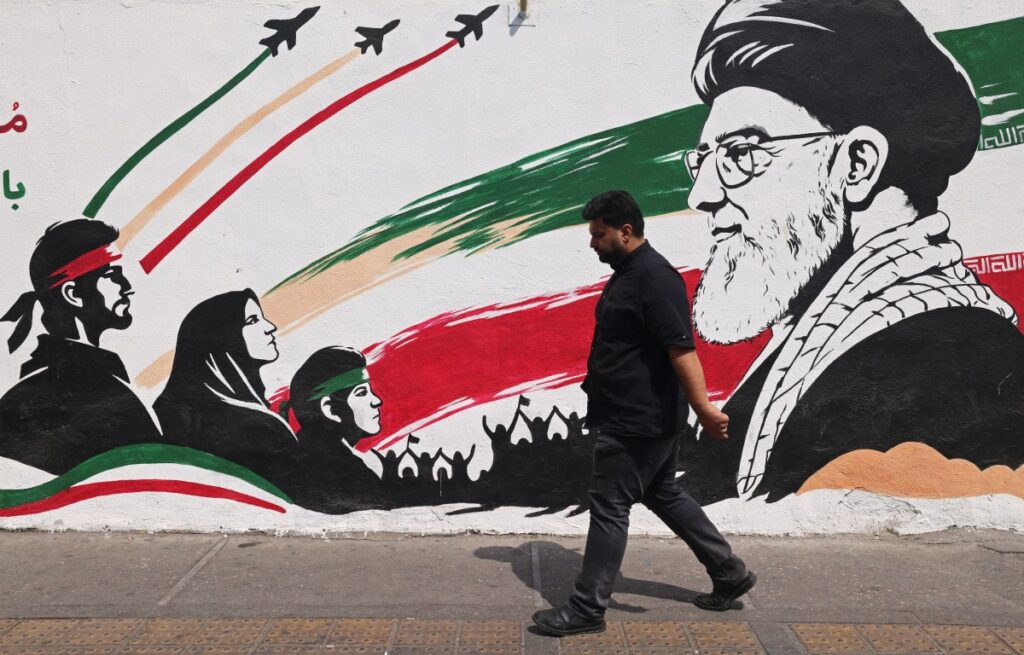

Iran and US closing in on deal to end war
Summarized by DistantNews. Read the original for the full story.
At a glance
News
Named sources
Ongoing story
- The US and Iran are reportedly close to a deal to end the Middle East war, with a potential agreement by Sunday, according to US Secretary of State Marco Rubio.
- The deal aims to re-open the Strait of Hormuz, a crucial oil transit route, and would involve the US releasing frozen Iranian funds and ending its naval blockade.
- While the US insists on the dismantlement of Iran's nuclear program, Tehran states that negotiations on uranium enrichment have been deferred for 60 days post-agreement.
The United States and Iran are reportedly on the verge of striking a deal to end the Middle East war, with US Secretary of State Marco Rubio suggesting an agreement could be reached as early as Sunday. "I do think perhaps there is the possibility that in the next few hours the world will get some good news," Rubio told reporters during a visit to India. This optimism follows a statement from US President Donald Trump on social media, indicating the deal was "largely negotiated, subject to finalisation."
I do think perhaps there is the possibility that in the next few hours the world will get some good news.
Rubio stated the agreement would initiate a process to ensure "a world that no longer has to fear or worry about an Iranian nuclear weapon." An Israeli official, speaking anonymously, confirmed that Trump had reassured Prime Minister Benjamin Netanyahu that any final settlement would mandate the dismantling of Iran's nuclear program and the removal of all enriched uranium. "President Trump made clear that he will remain steadfast in the negotiations regarding his longstanding demand for the dismantlement of Iran’s nuclear programme," the official said.
The deal has been largely negotiated, subject to finalisation between the United States of America, the Islamic Republic of Iran and the various other Countries.
A key aspect of the potential deal is the re-opening of the Strait of Hormuz, a vital waterway that carries a fifth of global oil exports and has been under an Iranian blockade. European leaders, including European Commission President Ursula von der Leyen and British Prime Minister Keir Starmer, welcomed the prospect of open shipping lanes and falling energy prices.
President Trump made clear that he will remain steadfast in the negotiations regarding his longstanding demand for the dismantlement of Iran’s nuclear programme and the removal of all enriched uranium from Iranian territory, and that he will not sign a final agreement absent these conditions.
Iranian officials confirmed a draft agreement exists but emphasized that discussions regarding the country's nuclear program, including uranium enrichment, have been postponed for 60 days after the deal's finalization. President Masoud Pezeshkian reiterated Iran's stance on not seeking nuclear weapons, though it remains unclear if this assurance will be formally included in the agreement. According to Iran's Fars news agency, the US has agreed to unfreeze some of Tehran's foreign-held funds and cease its naval blockade in exchange for the normalization of passage through the Strait of Hormuz.
progress towards an agreement
About this summary
Originally published by Jamaica Observer. Summarized and contextualized automatically by DistantNews, with a note on how the source frames the story. Not individually reviewed before publishing. How this works.
More Stories

From Our Blog

News in Translation: What Gets Lost, and How We Keep the Framing

Diaspora Media: How Communities Abroad Follow Home

Traveling Where the Press Is Not Free: How to Read the News There

The Digital Nomad's Guide to Local News

The Same Story, Different Countries: How Coverage Changes at the Border
