

Iran Bids Farewell to Ayatollah Four Months After His Death
Translated from Danish, summarized and contextualized by DistantNews.
At a glance
News
From a news agency
New plan
- Iran is holding week-long funeral processions for its late supreme leader, Ayatollah Ali Khamenei, who died on February 28.
- The ceremonies aim to demonstrate public support for the Islamic Republic's theocratic rule.
- The country faces economic sanctions and has suppressed recent nationwide protests, with security forces using increasing force.
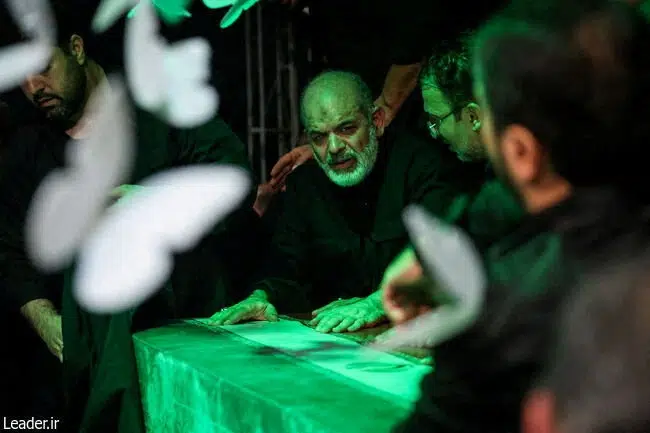
Iran has commenced a week-long series of funeral processions for its late supreme leader, Ayatollah Ali Khamenei, who died on February 28. Khamenei's coffin is displayed in Tehran's Imam Khomeini Mosque, with plans to transport it to Qom, Najaf, and Karbala, key Shia Muslim centers in Iran and Iraq. He will be laid to rest in Mashhad, home to Iran's holiest pilgrimage site, on Thursday after leading Iran for 37 years.
These ceremonies are intended to showcase public backing for the Islamic Republic's theocratic governance. Khamenei's coffin was presented to a large crowd of weeping supporters on Thursday evening, who swayed and beat their heads in rhythm with a lamentation song as flowers were thrown. Dignitaries from Pakistan, Iraq, and Armenia are attending, with representatives from China and Russia also expected. Ahmad Vahidi, the chief of Iran's powerful Revolutionary Guard, attended the Tehran ceremony, marking his first public appearance in four months.
Analysts suggest that Vahidi, the Revolutionary Guard, and other conservative factions within Iran have gained more power and influence since Khamenei's death, particularly concerning ongoing negotiations with the United States and military threats in the Strait of Hormuz. Despite these developments, support for the clerical rule is believed to be very limited. Khamenei's son, Mojtaba Khamenei, who is Iran's new supreme leader, has not been seen in new photos since his father's death, reportedly having been injured in the same attack.
Years of sanctions have crippled Iran's economy, while repeated nationwide protests have been met with increasing force from security services, culminating in the deaths of thousands of demonstrators in January. Despite these challenges, Iran's leadership hopes to mobilize millions of mourners for the funeral. Streets in Tehran are under heightened security control, with military and police vehicles patrolling major roads and members of the Basij militia on motorcycles. Iran has warned the United States and Israel against conducting attacks during the funeral proceedings.
DistantNews Editorial
Originally published by Berlingske in Danish. Translated, summarized, and contextualized by our editorial team with added local perspective. Read our editorial standards.
More Stories


From Our Blog

What Gets Lost (and Found) When News Is Translated

The Critical Role of Diaspora Media in Global News

What Travellers Should Know About Countries with Restricted Press

A Digital Nomad's Guide to Following Local News

How the Same Story Looks Different in Different Countries
