


Iran Buries an Era Amidst Newfound Confidence
Translated from German, summarized and contextualized by DistantNews.
At a glance
Analysis
Sources not specified
Ongoing story
- Iran's regime is displaying newfound confidence, believing it has won a war against the United States and Israel and reasserted domestic and international authority.
- The country is preparing for the funeral of Supreme Leader Ali Khamenei, who died in an alleged air raid on the first day of a war.
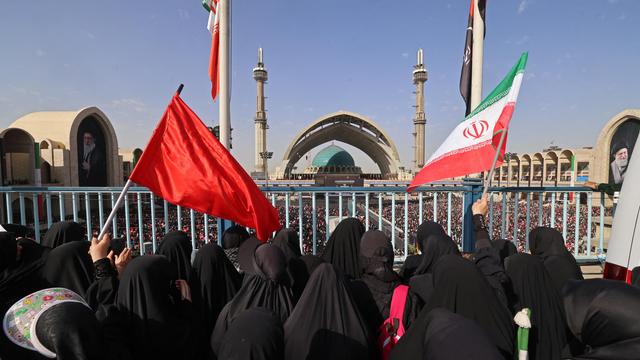
- The regime is using the funeral and associated ceremonies to project power and signal its influence across the Middle East, particularly among Shiite populations.
Iran's regime is projecting a new self-assurance, fueled by a belief that it has emerged victorious from a war against the United States and Israel. This perceived triumph has bolstered its confidence in both domestic control and international standing.
The country is currently preparing for the funeral of Supreme Leader Ali Khamenei, who reportedly died in an air raid on his residence in Tehran on the first day of the conflict. The subsequent targeted killings of Iranian leaders by Israel had kept many officials out of public view for weeks. The succession plan remains uncertain, with Khamenei's son, Mojtaba, reportedly injured in the same attack and his appearance at the funeral ceremonies still unconfirmed, despite reports he intends to participate.
Ceremonies are scheduled to last until the following Thursday, with Khamenei's coffin to be displayed at a prayer house in Tehran. A procession through the capital is planned for Monday, followed by a visit to the Shiite holy city of Qom on Tuesday. The regime intends to fly his body to Najaf and Karbala in Iraq on Wednesday, underscoring Khamenei's and the regime's broader ambition concerning Shiites across the Middle East.
The regime's display of power extends to symbolic gestures, such as the recitation of a Quranic verse during the arrival of foreign delegations, including those from Pakistan, Qatar, and China, as well as representatives from Hamas, Hezbollah, and the Taliban. The verse, interpreted by some as a warning to Saudi Arabia against its alliance with the U.S., reflects the regime's strategic communication and its perceived strength on the geopolitical stage.
DistantNews Editorial
Originally published by Süddeutsche Zeitung in German. Translated, summarized, and contextualized by our editorial team with added local perspective. Read our editorial standards.
More Stories

From Our Blog

What Gets Lost (and Found) When News Is Translated

How the Same Story Looks Different in Different Countries

The Critical Role of Diaspora Media in Global News

What Travellers Should Know About Countries with Restricted Press

A Digital Nomad's Guide to Following Local News
