

Iran calls US strikes 'war crime,' vows retaliation
Translated from Korean, summarized and contextualized by DistantNews.
At a glance
News
Named sources
Ongoing story
- Iran's Foreign Ministry condemned U.S. airstrikes as a "war crime" and a violation of the UN Charter.
- Tehran stated that the attacks rendered months of diplomatic efforts "futile" and vowed retaliation against U.S. bases.
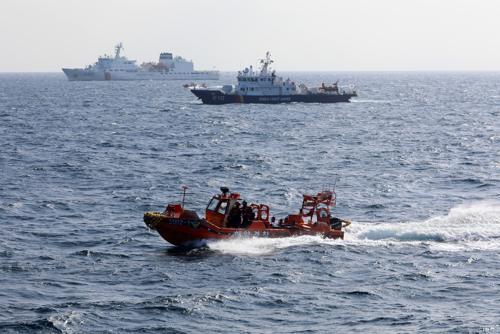
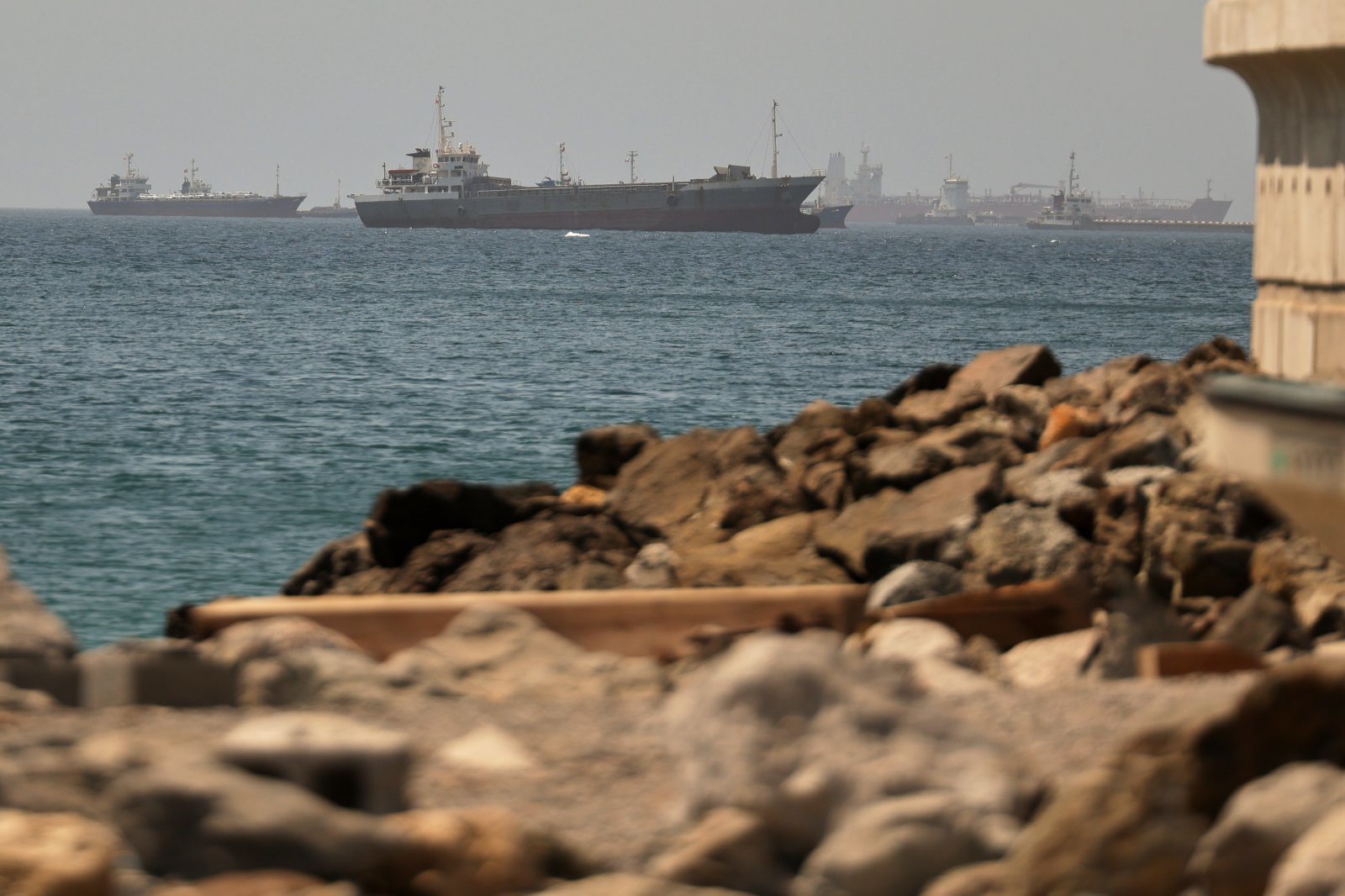
- The U.S. stated the strikes aimed to degrade Iran's ability to attack civilian and commercial ships in the Strait of Hormuz.
Iran's Foreign Ministry has strongly condemned recent U.S. airstrikes, labeling them a "war crime" and a blatant violation of the UN Charter. The ministry asserted that these attacks, which targeted Iran's transportation infrastructure, merchant ships, and aviation facilities, effectively nullified months of diplomatic efforts aimed at de-escalation.
Tehran declared that the strikes, occurring just 25 days after a ceasefire agreement was reached, constituted a breach of nearly all terms of that accord. The ministry warned that any origin point used to attack Iran would be considered a legitimate target for defensive strikes by the Iranian military, implicitly threatening bases in Gulf countries.
Foreign Ministry spokesperson Esmaeil Baghaei reiterated on X, formerly Twitter, that the situation is not merely a "military clash" but a continuation of aggression by the U.S. and "the Zionist regime." He emphasized that Iran initiated no attacks and that strikes against U.S. military assets in the southern Persian Gulf were an exercise of self-defense rights guaranteed by international law.
Baghaei criticized the United Nations for holding Iran accountable for exercising self-defense while failing to address the "aggressor." The U.S. Central Command announced additional airstrikes, stating their purpose was to degrade Iran's capacity to attack civilian and commercial vessels transiting the Strait of Hormuz. President Biden reportedly ordered the strikes to ensure Iranian forces face consequences.
DistantNews Editorial
Originally published by Dong-A Ilbo in Korean. Translated, summarized, and contextualized by our editorial team with added local perspective. Read our editorial standards.
More Stories

From Our Blog

What Gets Lost (and Found) When News Is Translated

The Critical Role of Diaspora Media in Global News

What Travellers Should Know About Countries with Restricted Press

A Digital Nomad's Guide to Following Local News

How the Same Story Looks Different in Different Countries
