

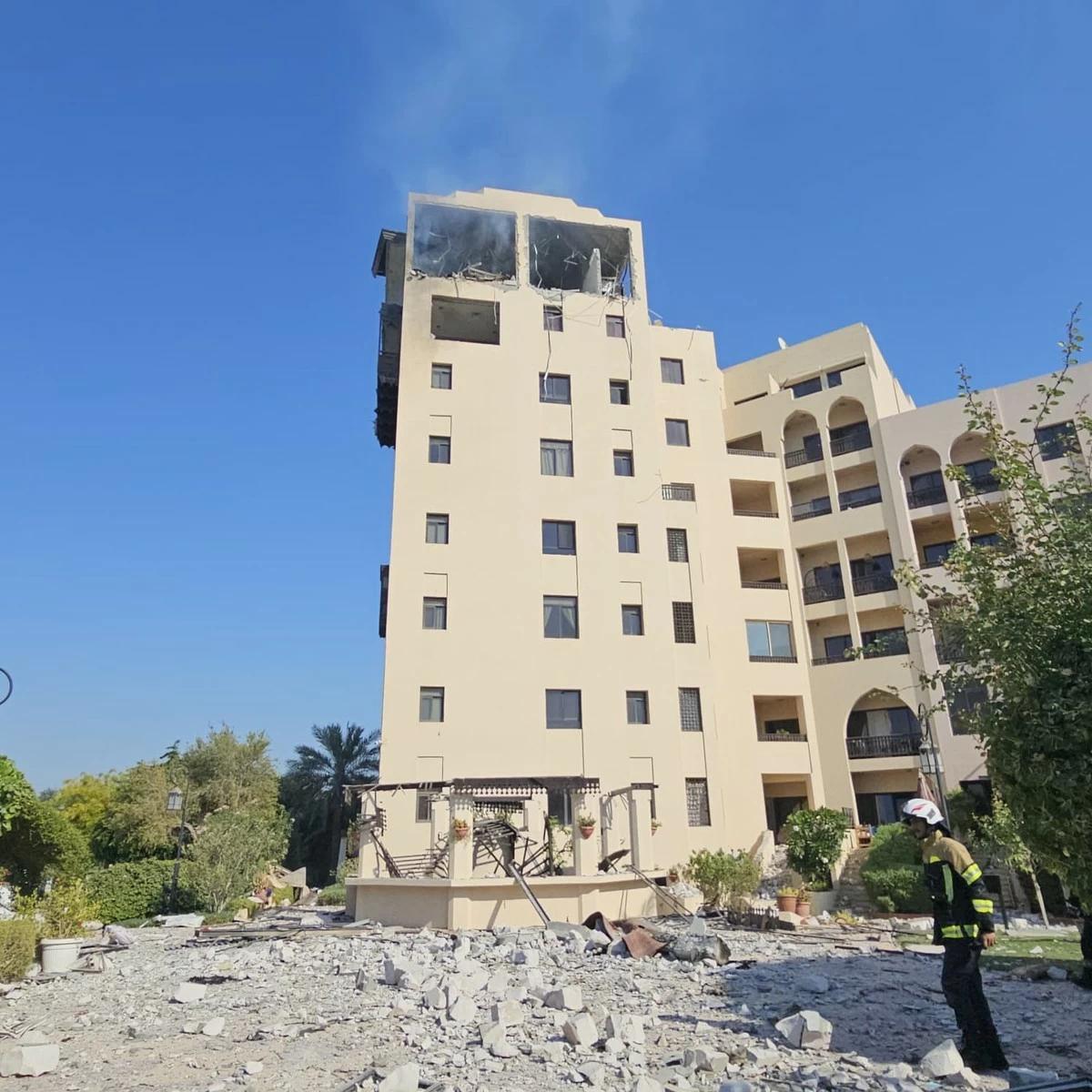

Iran Claims Authority Over Strait of Hormuz Routes, Rejects Alternative Paths
Translated from English, summarized and contextualized by DistantNews.
At a glance
News
Named sources
Context piece
- Iran asserts its authority over the Strait of Hormuz, mandating foreign vessels use designated routes.
- A senior Iranian lawmaker stated that the IRGC Navy monitors all vessels entering the strategic waterway.
- Tehran warns that any deviation from Iranian-set routes is unsafe and vows a "decisive response" to violations of commitments or ceasefires.
Iran is enforcing its control over the Strait of Hormuz, demanding that all foreign vessels adhere to routes designated by its armed forces. Tehran has declared that alternative paths will not be permitted for passage through this critical strategic waterway.
Foreign vessels passing through the Strait of Hormuz must use routes designated by Iran’s armed forces and will not be permitted to take alternative paths.
Ebrahim Azizi, who heads the Iranian parliament’s National Security and Foreign Policy Committee, informed Defa Press that the Islamic Revolutionary Guard Corps (IRGC) Navy is responsible for identifying, guiding, and monitoring all ships entering the strait. He stressed that any vessel operating outside the officially sanctioned routes would not be considered secure.
Azizi issued a stern warning, stating that Iran's authority in the Strait of Hormuz remains absolute. He further cautioned that any breaches of U.S. commitments or ceasefire agreements would be met with a "decisive response" from Iran.
Any movement outside routes set by Iran would not be considered safe or secure, insisting that Tehran’s authority over the Strait of Hormuz remains in place.
"The world must accept the new Iran and the new order the Islamic Republic is pursuing, especially in the Persian Gulf," Azizi declared, signaling Tehran's assertive stance in regional maritime affairs.
The world must accept the new Iran and the new order the Islamic Republic is pursuing, especially in the Persian Gulf.
DistantNews Editorial
Originally published by Arab Times in English. Translated, summarized, and contextualized by our editorial team with added local perspective. Read our editorial standards.
More Stories
From Our Blog

What Gets Lost (and Found) When News Is Translated

The Critical Role of Diaspora Media in Global News

What Travellers Should Know About Countries with Restricted Press

A Digital Nomad's Guide to Following Local News

How the Same Story Looks Different in Different Countries
