


Iran Closes Strait of Hormuz Again Amid Escalating Lebanon Conflict
Translated from English, summarized and contextualized by DistantNews.
At a glance
News
Named sources
Ongoing story
- Iran closed the Strait of Hormuz again, citing Israeli attacks and US "bad faith."
- The country's negotiating team is heading to Switzerland for talks, but Iran signals little progress is expected without US commitment.
- Israeli strikes in Lebanon killed at least 16 people, escalating tensions and threatening a US-Iran interim agreement.
Iran has once again closed the Strait of Hormuz, a critical chokepoint for global oil transport. The move, announced Saturday, was attributed to Israel's ongoing attacks in Lebanon and what Iran described as U.S. "bad faith" and a breach of commitments.
This trip is therefore about demanding that the other side fulfill its obligations.
This action follows an interim agreement between the U.S. and Iran earlier in the week, which had seen ships resume transiting the strait. Iran's joint military command warned that further steps are planned if the "aggression continues." Simultaneously, Iran's state broadcaster announced its negotiating team was en route to Switzerland for talks, though Foreign Ministry spokesperson Esmail Bagahei indicated that progress would be contingent on the U.S. fulfilling its obligations. "This trip is therefore about demanding that the other side fulfill its obligations," Bagahei stated, adding that final agreement negotiations would only commence once key commitments, including an end to fighting in Lebanon, are upheld.
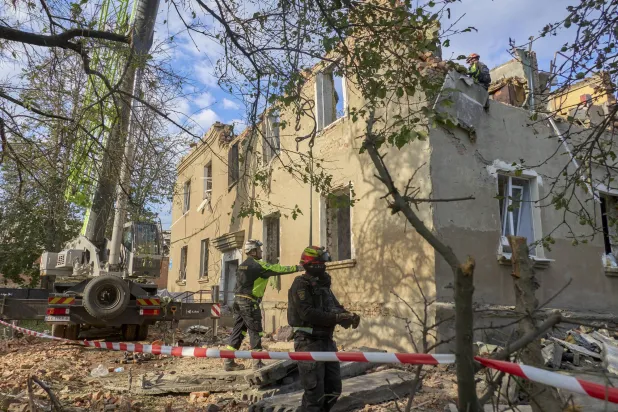
The closure and diplomatic signals come amid escalating violence in the region. Israeli airstrikes on southern Lebanon on Saturday killed at least 16 people, including two children, despite reports of a ceasefire agreement. Lebanon's National News Agency reported seven people were trapped under rubble following strikes on Nabatiyeh and nearby villages. Mediators are working to halt the fighting between Israel and Hezbollah, which had already resulted in at least 47 deaths in Lebanon and four Israeli soldiers on Friday.
If any part of these understandings, any part of these commitments, is not implemented, then the memorandum of understanding as a whole will be jeopardized.
An Israeli military official, speaking anonymously, stated that Hezbollah had fired over 50 projectiles overnight, prompting Israeli forces to target dozens of Hezbollah positions, including rocket-launching sites and command centers. Israel's ambassador to Washington, Yechiel Leiter, had previously affirmed Israel's commitment to an immediate ceasefire if Hezbollah ceased hostilities. However, Hezbollah's military wing claimed commitment to the ceasefire while blaming Israel for multiple violations on Friday night.
remains firmly committed to an immediate ceasefire
DistantNews Editorial
Originally published by Asharq Al-Awsat in English. Translated, summarized, and contextualized by our editorial team with added local perspective. Read our editorial standards.
More Stories


From Our Blog

What Gets Lost (and Found) When News Is Translated

The Critical Role of Diaspora Media in Global News

What Travellers Should Know About Countries with Restricted Press

A Digital Nomad's Guide to Following Local News

How the Same Story Looks Different in Different Countries
