


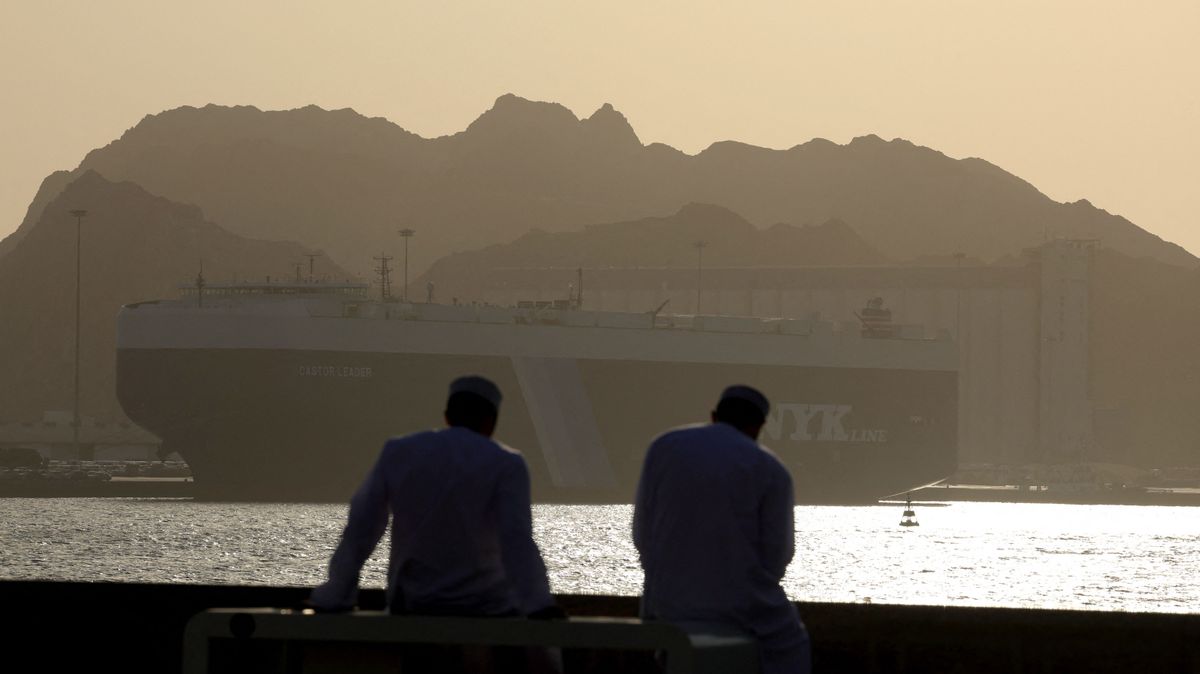
Iran deal guarantees Hormuz transit but leaves nuclear dispute unresolved
Translated from Hungarian, summarized and contextualized by DistantNews.
At a glance
News
Named sources
Context piece
- A 60-day negotiation period guarantees free trade transit through the Strait of Hormuz, with longer-term agreements to be decided later.
- The deal does not resolve the core dispute over Iran's nuclear program, leaving key details unresolved.
- The minimum outcome is expected to be the blending of Iran's enriched material under IAEA supervision, but final details remain to be settled.
A temporary agreement guarantees free trade transit through the Strait of Hormuz for a 60-day negotiation period. However, the resolution of longer-term trade arrangements will be deferred to future discussions between Iran, Oman, and other Persian Gulf states. This interim measure aims to facilitate immediate economic activity while broader issues are addressed.
The central dispute concerning Iran's nuclear program remains unaddressed by this agreement. Both parties are obligated to negotiate the fate of Iran's enriched uranium stockpile and its future enrichment activities as part of a final accord. This leaves a critical aspect of the nuclear issue pending further deliberation and agreement.
Officials suggest that the minimum achievement expected from these negotiations is the blending of Iran's enriched material under the supervision of the International Atomic Energy Agency (IAEA). Despite this potential outcome, it is acknowledged that crucial details are still pending resolution, indicating that the path to a comprehensive agreement is complex and requires further negotiation.
DistantNews Editorial
Originally published by Magyar Nemzet in Hungarian. Translated, summarized, and contextualized by our editorial team with added local perspective. Read our editorial standards.
More Stories



From Our Blog

Countries Without a Free Press: What You Need to Know

What Press Freedom Means for the News You Read

What Gets Lost (and Found) When News Is Translated

The Critical Role of Diaspora Media in Global News

What Travellers Should Know About Countries with Restricted Press
