



Iran Declares 'Victory' Over US After Ceasefire MOU Signing
Translated from Korean, summarized and contextualized by DistantNews.
At a glance
News
Named sources
Approved/passed
- Iran is celebrating a "victory" after signing a ceasefire memorandum of understanding (MOU) with the United States, claiming to have "defeated" the U.S.
- Iranian officials stated the MOU signifies a "report card of American defeat" and vowed to pursue further demands, such as the withdrawal of U.S. troops from the region.
- While hardliners criticized the agreement for not securing enough concessions, moderates defended it as a necessary step, highlighting the need for national unity.
Iran is celebrating a significant diplomatic achievement following the signing of a ceasefire memorandum of understanding (MOU) with the United States, with officials declaring it a "victory" and proof that Iran has "defeated" its long-standing adversary. The Iranian government views the agreement as a "report card of American defeat," asserting that the U.S. failed to achieve any of its stated objectives. This sentiment was echoed by various officials, who expressed determination to leverage this perceived success for further demands, including the withdrawal of U.S. forces from the region.
We have won against the world's strongest military powers, the U.S. and the Zionist regime (Israel), and they have not achieved any of their declared goals.
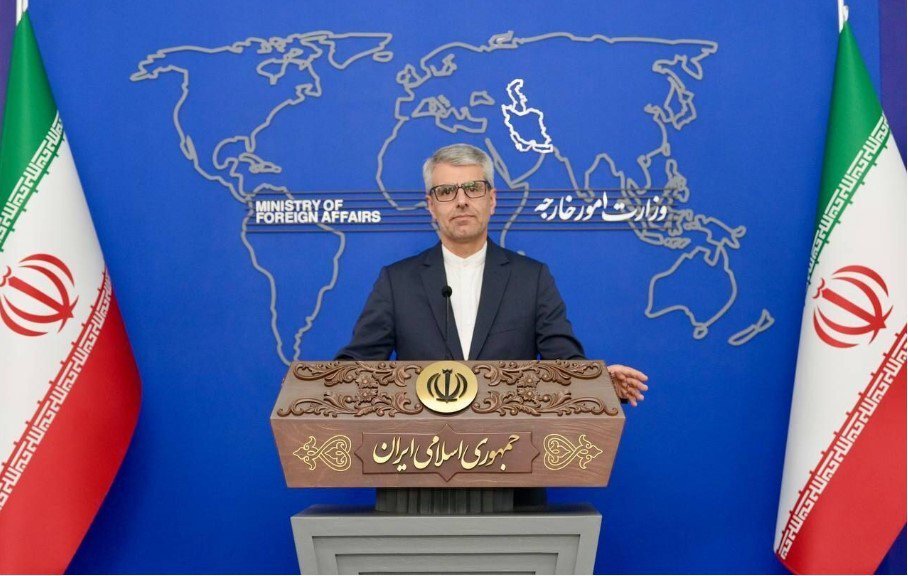
Mohammad Bagher Ghalibaf, Speaker of the Iranian Parliament, stated on Iranian state television that Iran had triumphed against the world's strongest military powers, the U.S. and Israel, neither of whom achieved their declared goals. Esmaeil Baghaei, spokesperson for the Iranian Foreign Ministry, added that the "war imposed on us did not bring us to our knees but made us stronger," praising the nation's resilience over 47 years of sanctions and conflict. Israeli media outlet Walla! assessed that Israel was "completely defeated" and that Iran had been "upgraded to a full regional power."
The West itself is calling this memorandum a 'report card of American defeat'.
Beyond the immediate celebrations, Iran intends to press for more concessions. Baghaei explicitly mentioned the withdrawal of foreign troops as a strategic objective and expressed hope for regional states to build a collective security system based on mutual trust. He also asserted that Iran's enriched nuclear material would not be transferred abroad and that services provided in the Strait of Hormuz should be compensated.
The war imposed on us did not bring us to our knees but made us stronger.
However, the agreement has not been met with universal approval within Iran. Hardliners have voiced criticism, arguing that the MOU did not secure sufficient gains. Mahmoud Nabavian, a member of parliament, pointed to the lack of clarity regarding the release of frozen assets and funds for post-war reconstruction, and opposed the dilution of highly enriched uranium. Conservative media outlets echoed these concerns, noting that the MOU did not specify the immediate release of half of Iran's frozen assets. Conversely, moderate figures like former lawmaker Jalal Rasheedikuch defended the agreement, questioning the basis of the criticism and urging support for the negotiating team.
Another important issue is the withdrawal of foreign troops. This is Iran's strategic goal.
DistantNews Editorial
Originally published by Hankyoreh in Korean. Translated, summarized, and contextualized by our editorial team with added local perspective. Read our editorial standards.
More Stories

From Our Blog

What Gets Lost (and Found) When News Is Translated

The Critical Role of Diaspora Media in Global News

What Travellers Should Know About Countries with Restricted Press

A Digital Nomad's Guide to Following Local News

How the Same Story Looks Different in Different Countries
