

Iran delegation discusses Hormuz Strait management with Oman
Translated from Korean, summarized and contextualized by DistantNews.
At a glance
News
Sources not specified
Context piece
- Iran's parliamentary speaker and foreign minister met with Oman's foreign minister in Muscat.
- They discussed managing the Strait of Hormuz and enhancing bilateral cooperation.
- Both sides reaffirmed their commitment to safe passage and de-escalation in the region.
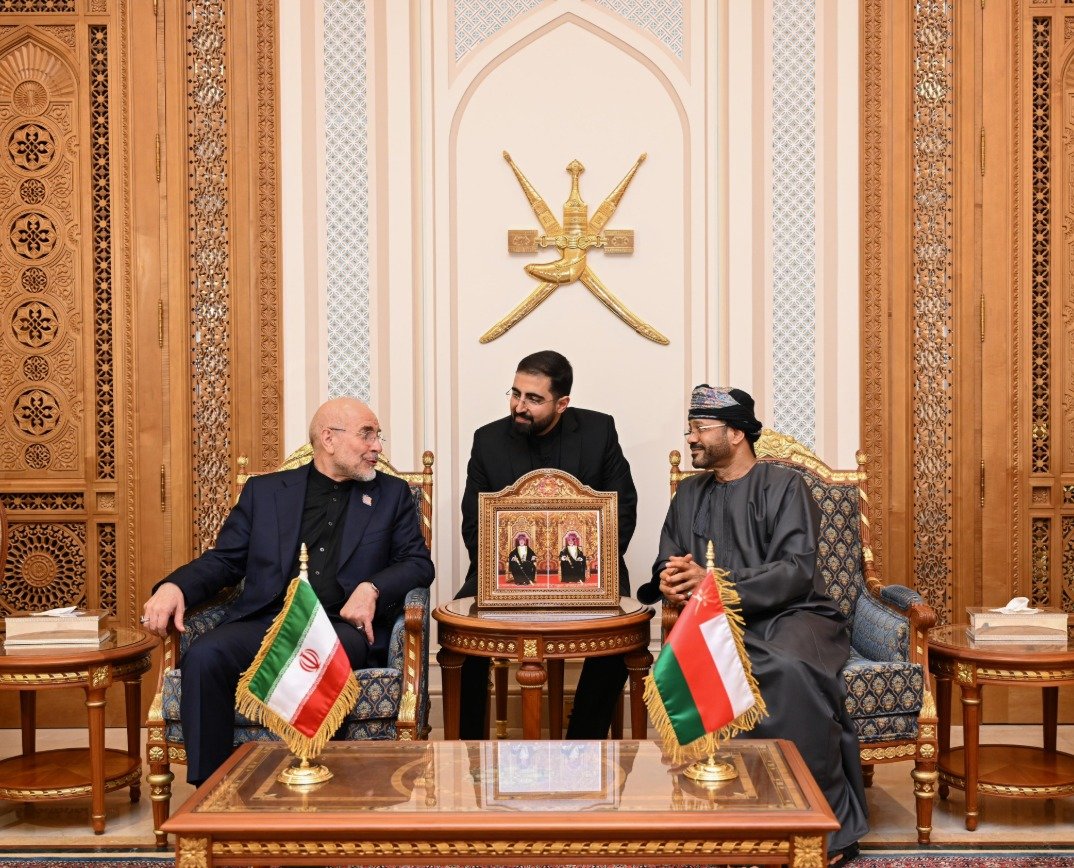
Iran's parliamentary speaker, Mohammad Bagher Ghalibaf, and Foreign Minister Abbas Araghchi visited Oman on June 22 to discuss regional security and cooperation. The meetings in Muscat focused on managing the Strait of Hormuz and promoting mutual interests between the two nations.
Both sides confirmed the importance of leveraging current diplomatic opportunities to support peace efforts, de-escalate tensions, and promote stability in accordance with international law and the principles of good neighborliness.
Oman's Foreign Minister, Badr Albusaidi, stated that both sides emphasized utilizing diplomatic opportunities to support peace efforts, reduce tensions, and enhance stability. He noted constructive discussions regarding a memorandum of understanding between Iran and the United States, particularly concerning the Strait of Hormuz.
Constructive discussions were held on the MOU between Iran and the United States, particularly the article related to the Strait of Hormuz.
Albusaidi reaffirmed commitments to international law and ensuring safe, toll-free passage through the vital waterway. Ghalibaf and Araghchi were also scheduled to meet with Omani Sultan Haitham bin Tariq Al-Said to explore expanding bilateral cooperation. The discussions touched upon a previous agreement between Iran and the U.S. that stipulated Iran would keep the Strait of Hormuz open for 60 days during subsequent negotiations, with joint management discussions to follow with Oman.
The two sides reaffirmed their commitment to ensuring safe passage without tolls, in compliance with international law.
DistantNews Editorial
Originally published by Dong-A Ilbo in Korean. Translated, summarized, and contextualized by our editorial team with added local perspective. Read our editorial standards.
More Stories


From Our Blog

What Gets Lost (and Found) When News Is Translated

The Critical Role of Diaspora Media in Global News

What Travellers Should Know About Countries with Restricted Press

A Digital Nomad's Guide to Following Local News

How the Same Story Looks Different in Different Countries
