


Iran Denies Final Ceasefire Deal with U.S., Cites Ongoing Review
Translated from Korean, summarized and contextualized by DistantNews.
At a glance
News
Named sources
Ongoing story
- Iran's Foreign Ministry stated that a ceasefire agreement with the U.S. has not yet reached a final conclusion, despite President Trump's claims.
- A spokesperson indicated that relevant decision-makers are reviewing the agreement and will announce it once a conclusion is reached.
- Reports suggest the U.S. initially sought to add new clauses to a draft agreement, which Iran rejected, leading to a return to the original proposal.
Iran's Foreign Ministry has stated that a final conclusion has not yet been reached on a ceasefire agreement with the United States, contradicting recent remarks by U.S. President Donald Trump. Esmaeil Baghaei, an Iranian Foreign Ministry spokesperson, told the state-run IRNA news agency that "as of this moment, we have not reached a final conclusion on this matter." He added that "relevant decision-makers in the country are currently reviewing it, and we will announce it as soon as a conclusion is reached."
As of this moment, we have not reached a final conclusion on this matter. Relevant decision-makers in the country are currently reviewing it, and we will announce it as soon as a conclusion is reached.
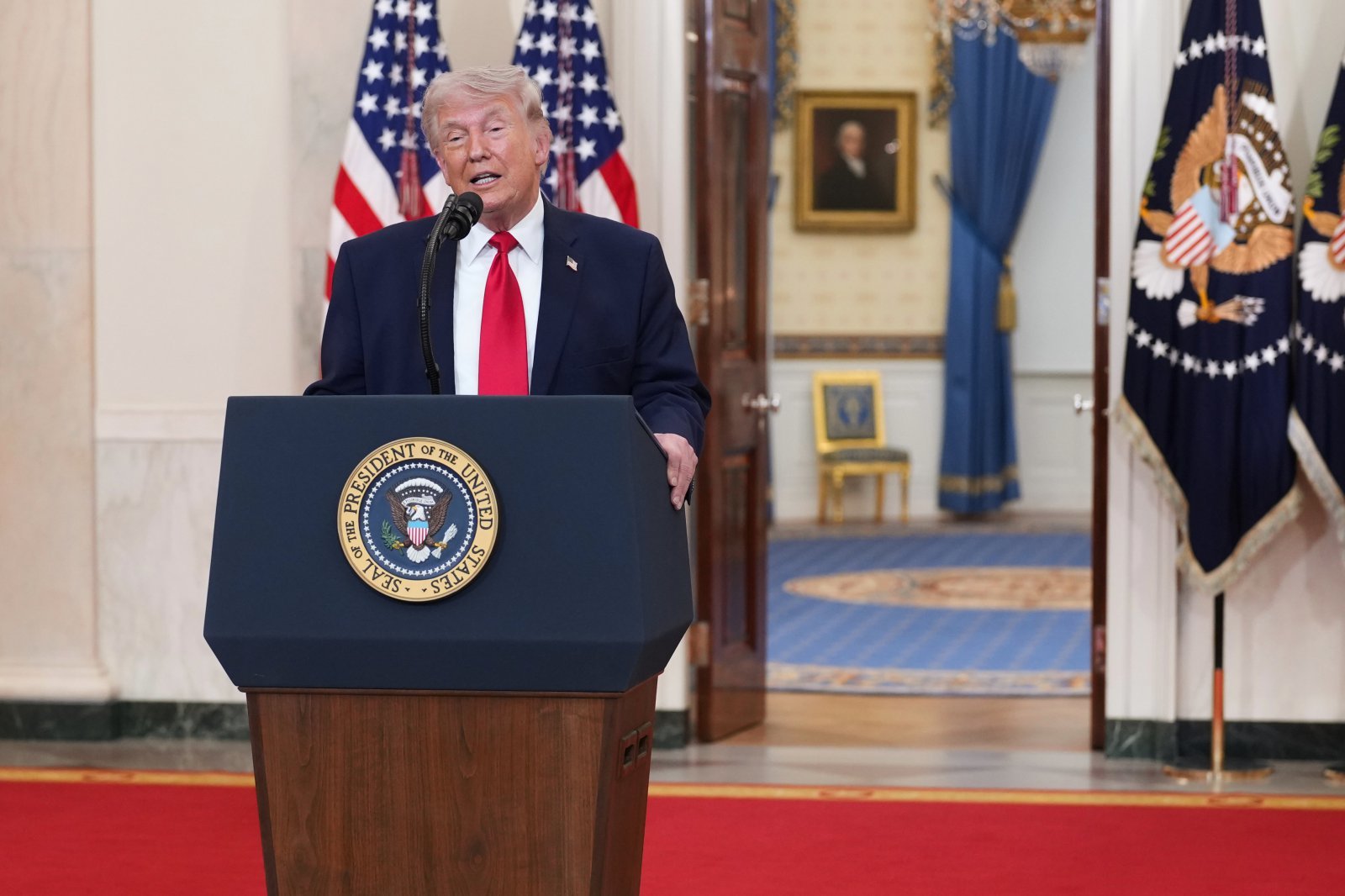
Baghaei emphasized that Iranian officials have repeatedly stressed their focus on the interests of the Iranian people, irrespective of threats or claims from the other side. "We are doing our work, and the content of the agreement will be clearly announced as soon as a conclusion that guarantees the interests of the Iranian people is reached," he stated. This statement came a couple of hours after President Trump announced that a "great deal" had been reached with Iran and that the finalization process was underway and would conclude within days.
According to Trump's remarks, the agreement might contain more specific conditions than a previous draft memorandum of understanding, which reportedly extended a ceasefire for 60 days while pursuing a final agreement on Iran's nuclear issue. However, Iranian media outlets have reported that Iran rejected a U.S. request for modifications to the draft, leading to a review of the original proposal. Sources close to the Iranian negotiation team indicated that after the U.S. demanded new clauses, which Iran refused to consider, the negotiations stalled. Qatar-mediated efforts reportedly conveyed to Iran that the U.S. had withdrawn its additional demands, returning to the original text awaiting Iran's final approval.
We are doing our work, and the content of the agreement will be clearly announced as soon as a conclusion that guarantees the interests of the Iranian people is reached.
This suggests that the U.S. has accepted Iran's original proposal, prompting a potential review by Iran's supreme leadership. This contrasts with Trump's narrative of militarily pressuring Iran into submission. Iranian news agencies like Tasnim have reported similar accounts, suggesting that U.S. pressure, including military threats and Qatari mediation, failed to alter Iran's stance, leading the U.S. to drop its demand for revisions. The situation remains contingent on internal review and final approval within Iranian institutions, with any further speculation deemed unreliable until then.
We have an agreement that Iran will never have a nuclear weapon. That's why we had to go through all of this. Iran will not have nuclear weapons, nor will it be able to buy or make them in any way. That's the most important paragraph for me.
DistantNews Editorial
Originally published by Hankyoreh in Korean. Translated, summarized, and contextualized by our editorial team with added local perspective. Read our editorial standards.
More Stories


From Our Blog

What Gets Lost (and Found) When News Is Translated

The Critical Role of Diaspora Media in Global News

What Travellers Should Know About Countries with Restricted Press

A Digital Nomad's Guide to Following Local News

How the Same Story Looks Different in Different Countries
