


Iran denies plans for nuclear site inspections, contradicting U.S. official
Translated from English, summarized and contextualized by DistantNews.
At a glance
News
Sources not specified
Ongoing story
- Iran's foreign ministry spokesman denied plans for IAEA inspections of damaged nuclear sites, contradicting U.S. Vice President JD Vance's optimism.
- The Strait of Hormuz saw its busiest day for commercial vessel transits since the war began, though traffic remains below pre-war levels.
- Iran's chief negotiator stated the Strait of Hormuz will not return to pre-war conditions, asserting Iran's continued control over the waterway.
Iran's foreign ministry spokesman Esmaeil Baqaei stated Tuesday that "We have not had a meeting with the director general of the International Atomic Energy Agency, nor do we have any plans for the agency to inspect Iran's nuclear facilities damaged by the U.S. and Zionist military aggression." This directly contradicts remarks made Monday by U.S. Vice President JD Vance, who had expressed optimism about United Nations nuclear inspectors returning to Iran as soon as this week.
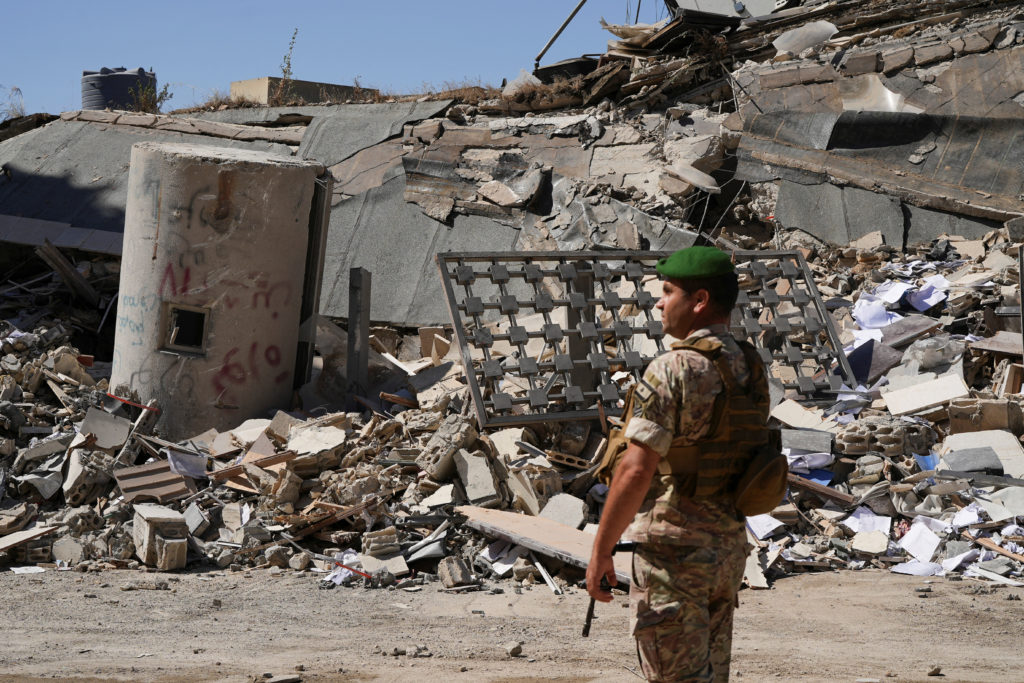
The spokesman's comments cast doubt on Vance's assertion, particularly regarding inspections of Iranian nuclear sites that sustained severe damage from U.S. and Israeli strikes a year prior. The Isfahan facility, a site of particular interest to the IAEA, is believed by agency officials to house Iran's stockpile of approximately 900 pounds of highly enriched uranium, which is enriched to 60% purity and is now buried under rubble.
We have not had a meeting with the director general of the International Atomic Energy Agency, nor do we have any plans for the agency to inspect Iran's nuclear facilities damaged by the U.S. and Zionist military aggression.
Meanwhile, the Strait of Hormuz experienced its busiest day for commercial vessel transits since the Middle East war commenced in late February. Data from maritime tracking firm Kpler indicated that 35 commercial vessels crossed the vital waterway on Monday. While this figure represents nearly a third of normal peacetime traffic levels, which typically hover around 120 passages per day, it is acknowledged that the total count may increase as more ships are detected, including those that may have switched off their location transponders to avoid detection.
Iran's chief negotiator also asserted that the Strait of Hormuz "will never return to its pre-war conditions," emphasizing Iran's intent to maintain control over the critical global shipping lane.
will never return to its pre-war conditions
DistantNews Editorial
Originally published by CBS News in English. Translated, summarized, and contextualized by our editorial team with added local perspective. Read our editorial standards.
More Stories


From Our Blog

How the Same Story Looks Different in Different Countries

What Gets Lost (and Found) When News Is Translated

The Critical Role of Diaspora Media in Global News

What Travellers Should Know About Countries with Restricted Press

A Digital Nomad's Guide to Following Local News
