


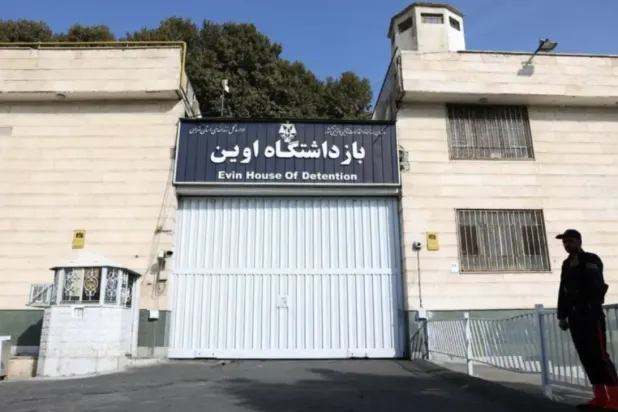
Iran Executes Afghan National over 2026 Protests
Summarized and contextualized by DistantNews.
At a glance
News
Named sources
Ongoing story
- UN humanitarian chief Tom Fletcher described drone use against civilians in Ukraine as a dangerous obstacle for aid operations.
- Fletcher witnessed the "chilling" threat of Russian drones in Kherson, impacting humanitarian access.
- Aid organizations, especially local ones, face significant risks, with marked vehicles being hit despite international humanitarian law protections.
The escalating use of drones against civilians and humanitarian workers in Ukraine poses a severe threat to aid operations, according to the UN's humanitarian chief, Tom Fletcher. Speaking after a visit to the southern city of Kherson, Fletcher described the constant danger from Russian drones as "quite chilling."
It really gives us an insight into the dangers ahead of us.
Fletcher observed firsthand how communities in Kherson, a city divided by the Dnipro River which serves as an active front line, are living under the persistent threat of kamikaze and surveillance drones. These aircraft routinely target civilians and public transport, making humanitarian access increasingly difficult and dangerous. Fletcher noted that even marked humanitarian vehicles have been targeted, despite protections under international humanitarian law.
Drones are a real threat to not just civilians but the humanitarians who are here to protect them.
Local organizations, which conduct more than two-thirds of operations funded by Ukraine's humanitarian fund, are particularly vulnerable. Fletcher stated they are the ones most vocal about feeling unprotected. The UN requires over $2 billion for its prioritized humanitarian response in Ukraine this year, with concerns high about the upcoming winter and potential damage to critical infrastructure like power and water systems.
So that does restrict what we can do.
Fletcher also commented on the broader global humanitarian funding challenges, noting a rise in the number of people facing severe needs worldwide to approximately 92 million due to various crises. While Ukraine is relatively well-funded compared to other global emergencies, Fletcher acknowledged that raising money for humanitarian efforts is becoming harder as governments prioritize defense and domestic needs, leading to what he described as a "more transactional" and "more selfish world."
They’re the ones who are saying most loudly to us, we’re not protected.
DistantNews Editorial
Originally published by Asharq Al-Awsat. Summarized and contextualized by our editorial team with added local perspective. Read our editorial standards.
More Stories


From Our Blog

What Gets Lost (and Found) When News Is Translated

The Critical Role of Diaspora Media in Global News

What Travellers Should Know About Countries with Restricted Press

A Digital Nomad's Guide to Following Local News

How the Same Story Looks Different in Different Countries
