


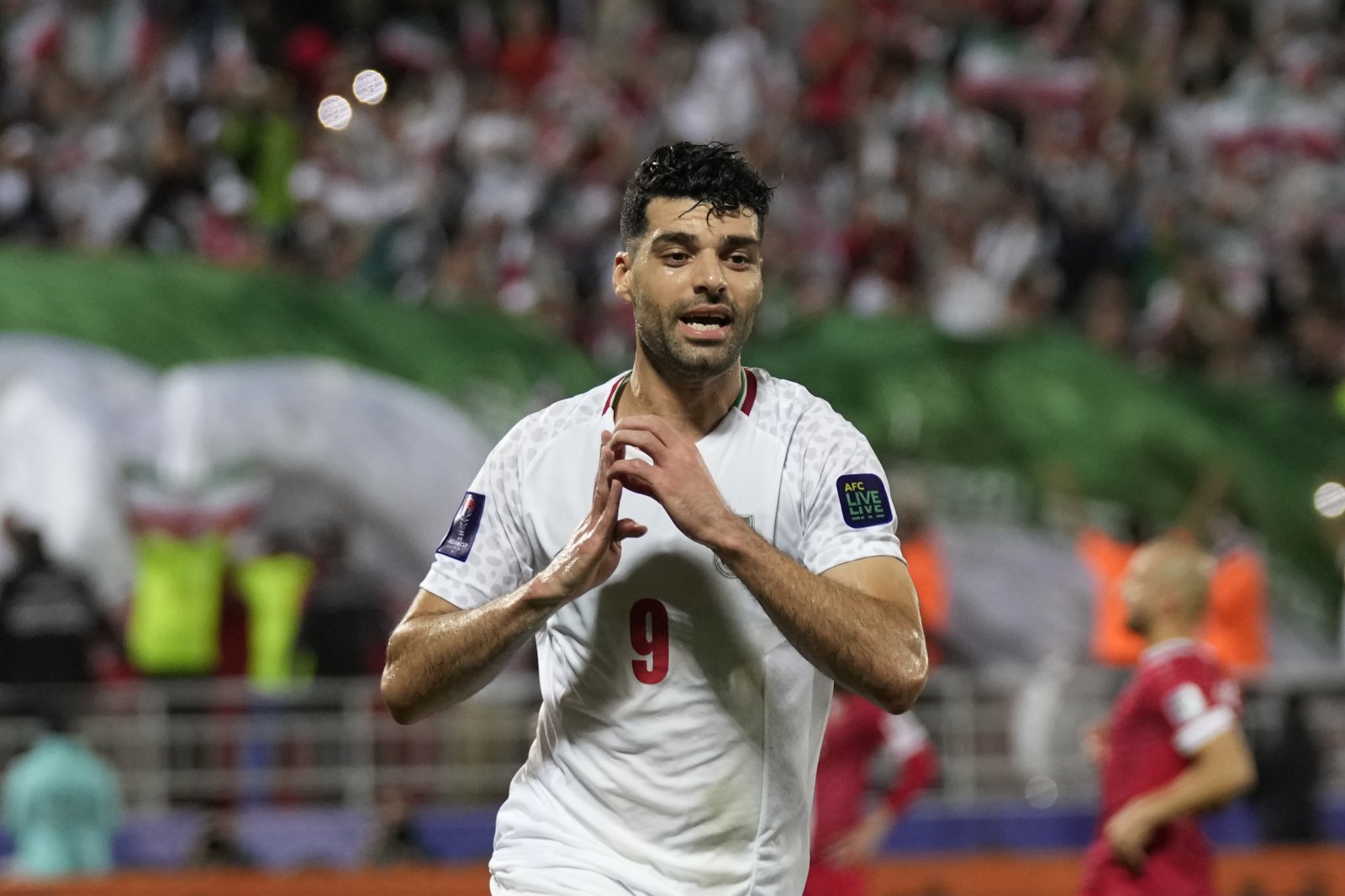
Iran Football Team Criticizes U.S. World Cup Policies
Translated from Korean, summarized and contextualized by DistantNews.
At a glance
News
Sources not specified
Context piece
- Iran's national football team coach and captain have criticized the United States' entry policies and tournament operations, stating they dampen the World Cup's festive atmosphere.
- Coach Amir Ghalenoei and captain Mehdi Taremi expressed their dissatisfaction at a press conference ahead of their match against New Zealand.
- Iran is using Mexico as its base camp instead of the U.S. due to these issues, traveling to the U.S. only for matches.
Iran's national football team is expressing strong dissatisfaction with the United States' policies regarding their participation in the upcoming World Cup, with the coach and captain calling the measures detrimental to the tournament's celebratory spirit. Coach Amir Ghalenoei and captain Mehdi Taremi voiced these complaints during a press conference held ahead of their opening Group G match against New Zealand.
Ghalenoei specifically pointed to the U.S. not allowing Iran to operate its base camp within the country as a significant issue. "Such an environment negatively affects the spirit of football," he stated, adding that the team feels "very complex emotions, whether we win or lose."
Such an environment negatively affects the spirit of football.
As a consequence of these policies, Iran has established its base camp in Mexico, not the U.S. The team plans to travel to the United States solely for their group stage matches and then return to Mexico. This arrangement highlights the friction between the Iranian team and the host nation's logistical and entry regulations.
Captain Taremi echoed the coach's sentiments, suggesting that the U.S. entry policies undermine the significance of the World Cup itself. The team's grievances underscore a broader tension between the host nation's regulations and the operational needs of participating teams, particularly those facing complex geopolitical relationships.
we feel very complex emotions, whether we win or lose.
DistantNews Editorial
Originally published by Dong-A Ilbo in Korean. Translated, summarized, and contextualized by our editorial team with added local perspective. Read our editorial standards.
More Stories


From Our Blog

What Gets Lost (and Found) When News Is Translated

The Critical Role of Diaspora Media in Global News

What Travellers Should Know About Countries with Restricted Press

A Digital Nomad's Guide to Following Local News

How the Same Story Looks Different in Different Countries
