


Iran: IAEA is Politicizing Oversight of Tehran's Nuclear Program
Summarized and contextualized by DistantNews.
At a glance
News
Named sources
Under investigation
- Iran's Deputy Foreign Minister accused the UN nuclear watchdog of politicizing its oversight of Tehran's nuclear program.
- He stated that the International Atomic Energy Agency (IAEA) uses the consequences of US and Israeli strikes on Iranian nuclear sites to create ambiguity.
- The IAEA, in a confidential report, expressed concern over a lack of access to verify nuclear material in Iran, which it deems a proliferation risk.
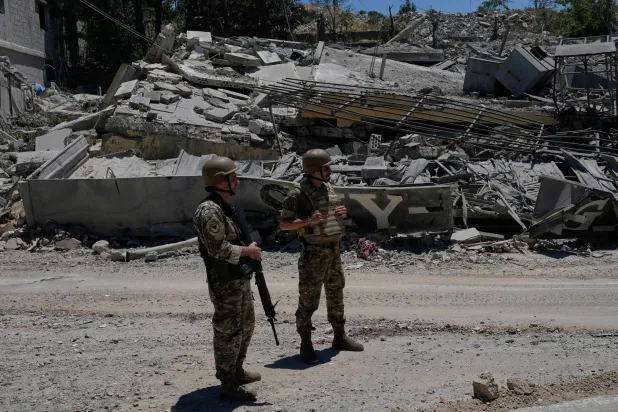
Iran's Deputy Foreign Minister Kazem Gharibabadi has accused the International Atomic Energy Agency (IAEA) of politicizing its oversight of Tehran's nuclear program, urging the UN nuclear watchdog to avoid using technical reports as "tools of political pressure." Gharibabadi argued that the agency's loss of oversight at some facilities resulted from recent attacks, not a lack of cooperation from Iran. He further alleged that the IAEA is exploiting the consequences of U.S. and Israeli strikes on Iranian nuclear sites to generate "ambiguity" regarding Tehran's nuclear activities. The IAEA, however, reaffirmed in a confidential report that Iran's lack of cooperation in verifying nuclear material poses a significant "proliferation concern." The agency called on Tehran to "engage the agency constructively" and stressed the critical need for verification activities without delay, despite acknowledging the unprecedented situation created by military attacks on its nuclear facilities. The IAEA has been denied access to some key nuclear facilities since a conflict in June 2025, which involved strikes on nuclear sites, and again following the war that began on February 28. Prior to the June 2025 strikes, the IAEA estimated Iran possessed approximately 440 kilograms of uranium enriched to 60 percent, far exceeding the 3.67 percent limit set by the 2015 defunct agreement. The fate of this stockpile remains uncertain as Tehran has refused inspectors access to sites damaged by U.S. and Israeli strikes.
The agency should avoid turning technical reports into 'tools of political pressure' if it wanted to contribute to a diplomatic solution.
DistantNews Editorial
Originally published by Asharq Al-Awsat. Summarized and contextualized by our editorial team with added local perspective. Read our editorial standards.
More Stories


From Our Blog

What Gets Lost (and Found) When News Is Translated

The Critical Role of Diaspora Media in Global News

What Travellers Should Know About Countries with Restricted Press

A Digital Nomad's Guide to Following Local News

How the Same Story Looks Different in Different Countries
