

Iran MOU would cap self-defeating ceasefire for Trump, marks huge problem for Israel
Summarized and contextualized by DistantNews.
At a glance
News
Named sources
Ongoing story
- President Trump's Iran policy involves issuing threats followed by de-escalation amid talks, potentially extending a ceasefire.
- An alleged Memorandum of Understanding could reopen the Strait of Hormuz and gradually lift a US blockade.
- Israel expresses concern over the potential deal, particularly regarding Lebanon and Iran's support for Hezbollah.
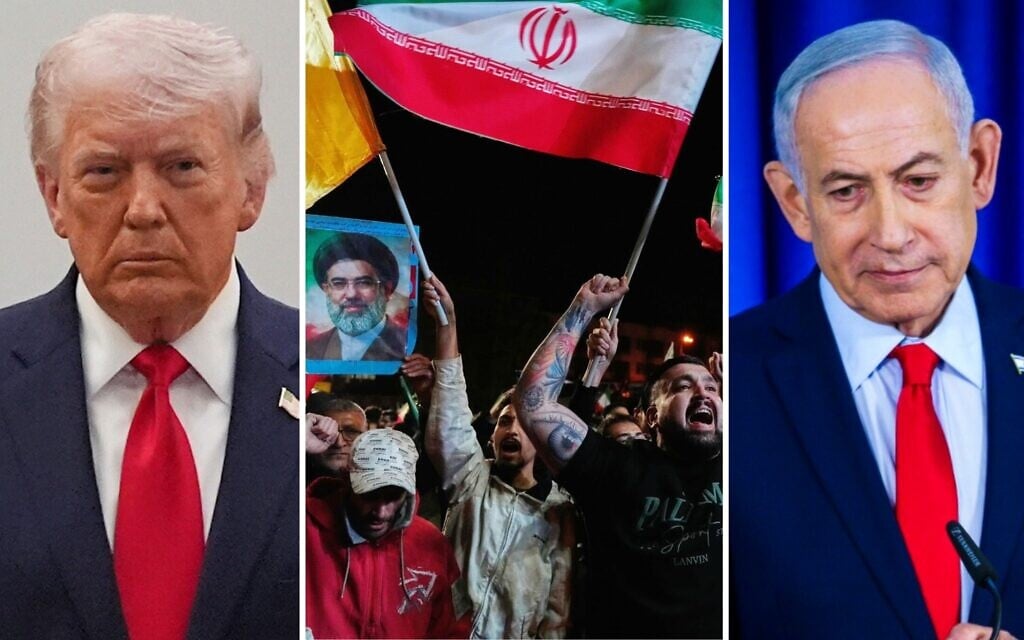
President Donald Trump's approach to Iran continues to blend aggressive rhetoric with diplomatic maneuvering, a pattern that has unfolded over the past 65 days. Following a series of "bombastic threats" against the Islamic Republic, Trump has repeatedly called off potential military actions in the wake of perceived breakthroughs in ongoing talks.
Although Israel is not a party to the memorandum of understanding, the prime minister expressed his appreciation for President Trump’s commitment that the final agreement reached at the conclusion of the negotiations will include the removal of enriched material, the dismantling of enrichment infrastructure, limitations on missile production, and the cessation of Iran’s support for its terrorist proxies in the region.
Sources suggest that "final points" of an agreement have been approved by US allies, including Israel, with a signing ceremony possibly imminent in Europe. While details remain undisclosed, reports indicate the agreement would extend the current ceasefire for two months. During this period, the Strait of Hormuz would be fully reopened, and a US blockade would be gradually lifted. Negotiations would also address Iran's nuclear program, with no immediate action to be taken until a second deal is reached.
This potential deal raises significant concerns for Israel. Reports suggest the ceasefire would extend to Lebanon, potentially limiting the Israeli Defense Forces' actions against Hezbollah, Iran's key ally. Prime Minister Netanyahu initially expressed appreciation for Trump's commitment to certain principles in the final agreement, such as the removal of enriched material and limitations on missile production. However, defense officials emphasized expectations that Trump would uphold principles concerning missiles and terrorist proxies, a stance that appears increasingly unlikely given Trump's past downplaying of these issues.
Look, missiles are bad, but yeah, and they do have to cap it, but this is about they cannot have a nuclear weapon.
The White House's initial goals of "obliterating Iran's ballistic missile arsenal" and severing support for terrorist proxies seem to have been largely abandoned. Trump has increasingly focused on the nuclear aspect, appearing to accept Iran's position that a nuclear deal supersedes limits on missiles or backing for terror groups. When discussing missiles, Trump has downplayed their significance, stating, "missiles are bad, but yeah, and they do have to cap it, but this is about they cannot have a nuclear weapon." He has also asserted that Iran's economic damage would prevent it from funding proxies, rather than demanding a cessation of support.
uphold… principles concerning missiles and terrorist proxies.
DistantNews Editorial
Originally published by Times of Israel. Summarized and contextualized by our editorial team with added local perspective. Read our editorial standards.
More Stories
From Our Blog

What Gets Lost (and Found) When News Is Translated

The Critical Role of Diaspora Media in Global News

What Travellers Should Know About Countries with Restricted Press

A Digital Nomad's Guide to Following Local News

How the Same Story Looks Different in Different Countries
