

Iran: No Talks Without Conditions, Says Parliament Speaker
Translated from Turkish, summarized and contextualized by DistantNews.
At a glance
News
Sources not specified
Context piece
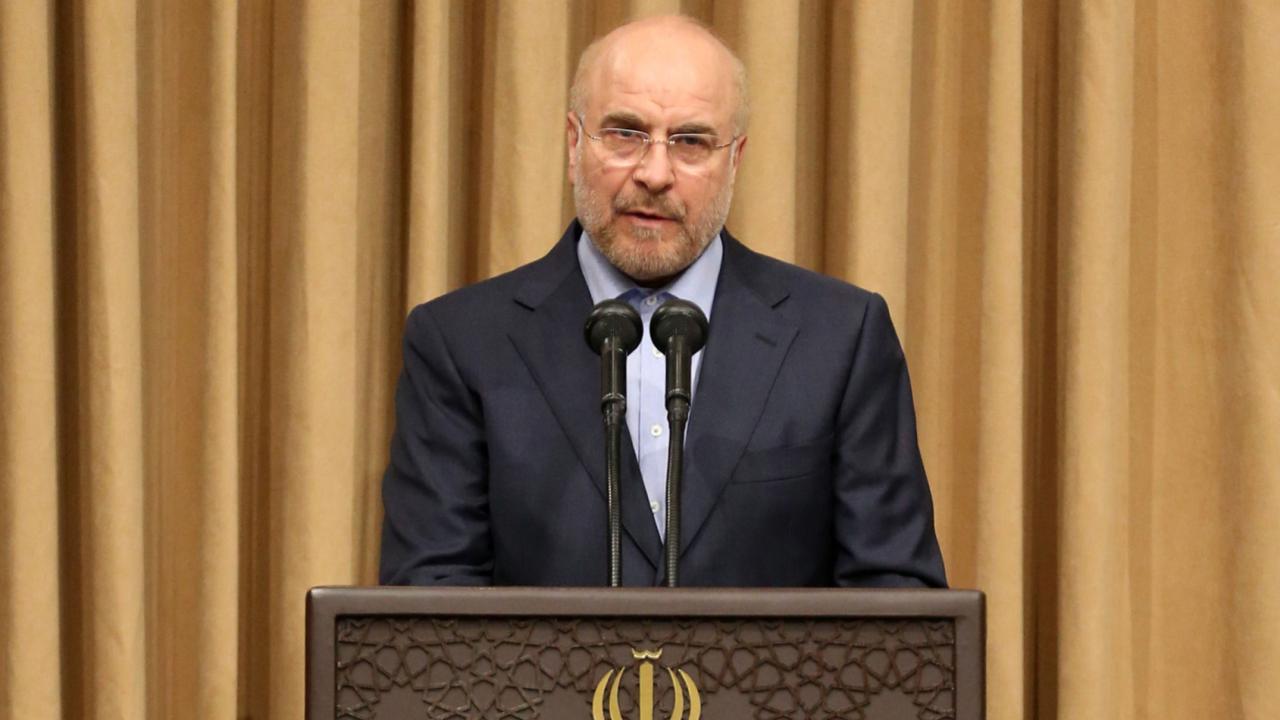
- Iran's Parliament Speaker Mohammad Bagher Ghalibaf stated that Iran is selling oil at a higher price than before sanctions were imposed, exporting over 40 million barrels in a short period.
- Ghalibaf asserted Iran's sovereign rights over the Strait of Hormuz and warned against violating its regulations, emphasizing readiness for war if conditions for negotiations are not met.
- He confirmed Iran's adherence to the Nuclear Non-Proliferation Treaty and expressed pride in Iran's missile power not being a subject of negotiation.
Iran's Parliament Speaker Mohammad Bagher Ghalibaf has sent a strong message to Washington, stating that negotiations will not commence unless specific conditions are met. Speaking on a television program, Ghalibaf highlighted Iran's economic resilience, noting that the country is selling oil at a 20% higher price than before sanctions. He reported that Iran exported over 40 million barrels of oil in less than two weeks, a significant feat after a period of no exports.
The oil sanctions have been lifted, and we are selling oil 20% more expensively than before the sanctions.
Regarding the Strait of Hormuz, Ghalibaf asserted Iran's sovereign rights, stating that passage regulations are determined by Iran and Oman. He warned that Iran would react to any attempts to disregard these regulations, emphasizing that the security of the strait is increasing. Ghalibaf also announced that Iran is not currently negotiating with the U.S. and will not begin talks unless five specific points of a memorandum of understanding are implemented.
We have exported over 40 million barrels of oil since the day we lifted the blockade at sea. This happened in less than 10-12 days, whereas we had not exported any oil for about fifty-something days.
"If these conditions are not met, we will not start negotiations," Ghalibaf declared, underscoring Iran's readiness for war if the terms of the agreement are not upheld. He mentioned traveling to Switzerland to implement these conditions and noted that after the "Islamabad Accord," which he called a "document of American defeat," Israel launched an attack on Lebanon, prompting Iran's involvement in discussions about a ceasefire. A joint committee between Lebanon, Iran, and the U.S. will be formed, with Iran's ambassador participating.
Sometimes they want to disregard Iran's management and regulations in the Strait of Hormuz, and naturally, Iran reacts to this.
On the nuclear front, Ghalibaf affirmed Iran's commitment to the Nuclear Non-Proliferation Treaty (NPT) and its cooperation with the International Atomic Energy Agency (IAEA). He stressed that uranium enrichment is Iran's right and that the country is fulfilling its NPT obligations. Ghalibaf concluded by expressing pride that Iran's missile capabilities are not subject to negotiation.
The sovereignty of the Strait of Hormuz belongs to Iran and Oman. The transit arrangement in the strait is according to the regulations set by Iran.
DistantNews Editorial
Originally published by Cumhuriyet in Turkish. Translated, summarized, and contextualized by our editorial team with added local perspective. Read our editorial standards.
More Stories

From Our Blog

What Gets Lost (and Found) When News Is Translated

The Critical Role of Diaspora Media in Global News

What Travellers Should Know About Countries with Restricted Press

A Digital Nomad's Guide to Following Local News

How the Same Story Looks Different in Different Countries
