


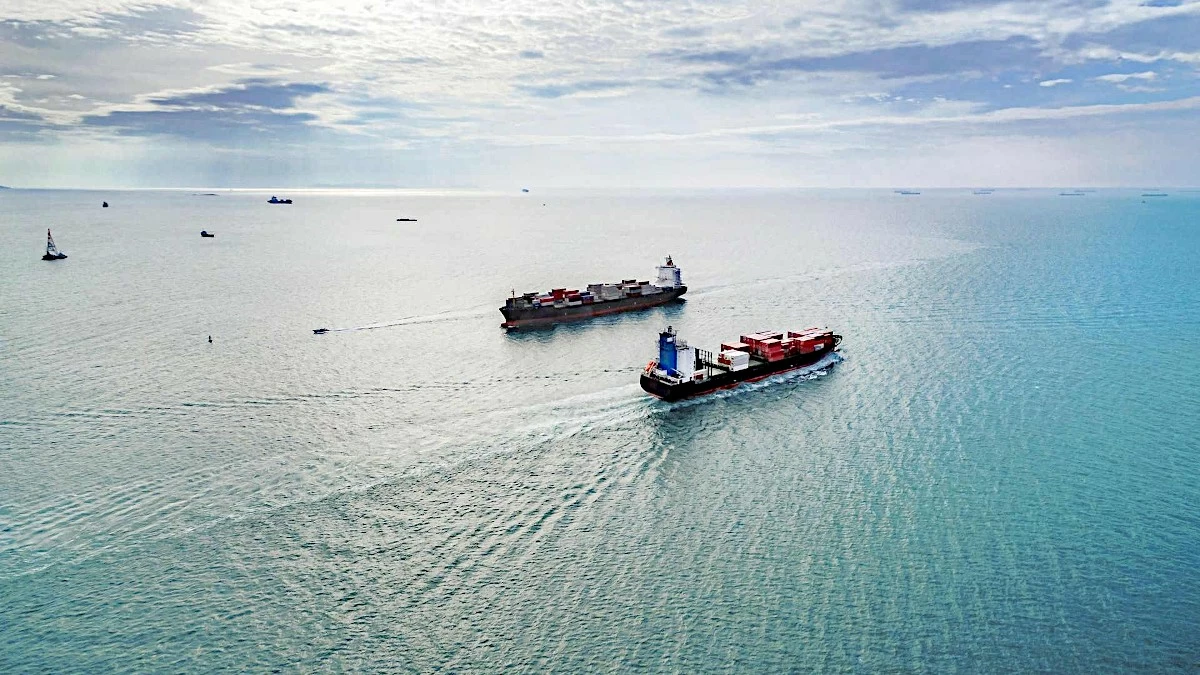
Iran-Oman understanding allows commercial ships through Hormuz, bars military vessels
Translated from English, summarized and contextualized by DistantNews.
At a glance
News
Named sources
Ongoing story
- Iran and Oman have reached a new understanding allowing only commercial vessels to transit the Strait of Hormuz.
- Military vessels will be barred from the designated route under the temporary arrangement, which includes using Iranian and Omani territorial waters.
- A permanent maritime route is to be negotiated within 30 to 60 days, but the strait's reopening depends on the U.S. fulfilling prior commitments to Iran.
Iran and Oman have established a new understanding that will permit only commercial vessels to navigate the Strait of Hormuz, effectively barring military ships from the strategic waterway. The temporary arrangement, announced by Iran's Deputy Foreign Minister Kazem Gharibabadi, involves ships utilizing the territorial waters of both Iran and Oman for transit.
a new understanding with Oman would allow only commercial vessels to transit the Strait of Hormuz, with military vessels barred from using the designated route.
Gharibabadi stated that Iran and Oman will collaborate over the next 30 to 60 days to negotiate a permanent maritime route, intended to replace the previous traffic system. This development follows discussions that included a phased framework for establishing a temporary joint shipping corridor and a joint project to clear mines from the waterway, as detailed in a joint statement by Iran and Oman.
The temporary arrangement would involve ships using Iranian and Omani territorial waters on inbound and outbound routes.
However, Gharibabadi emphasized that this understanding does not guarantee an automatic reopening of the Strait of Hormuz starting Wednesday. He indicated that Iran expects the United States to first fulfill commitments that Tehran believes have not been honored. This conditionality suggests that geopolitical tensions continue to influence maritime access in the region.
Iran and Oman would negotiate a permanent maritime route within 30 to 60 days to replace the previous traffic arrangement.
Earlier, Iran had reportedly intended to close the southern route of the Strait of Hormuz with Omani cooperation. Gharibabadi claimed that U.S. pressure obstructed this plan, leading to a military confrontation. The current agreement appears to be a diplomatic effort to ease tensions and ensure the flow of commercial traffic while navigating complex regional politics.
the understanding did not mean the Strait of Hormuz would automatically reopen from Wednesday.
DistantNews Editorial
Originally published by Arab Times in English. Translated, summarized, and contextualized by our editorial team with added local perspective. Read our editorial standards.
More Stories


From Our Blog

What Gets Lost (and Found) When News Is Translated

The Critical Role of Diaspora Media in Global News

What Travellers Should Know About Countries with Restricted Press

A Digital Nomad's Guide to Following Local News

How the Same Story Looks Different in Different Countries
