

Iran Releases Photo of Slain Hezbollah Commander as Tensions Escalate After Beirut Strike
Summarized and contextualized by DistantNews.
At a glance
News
Official statement
Ongoing story
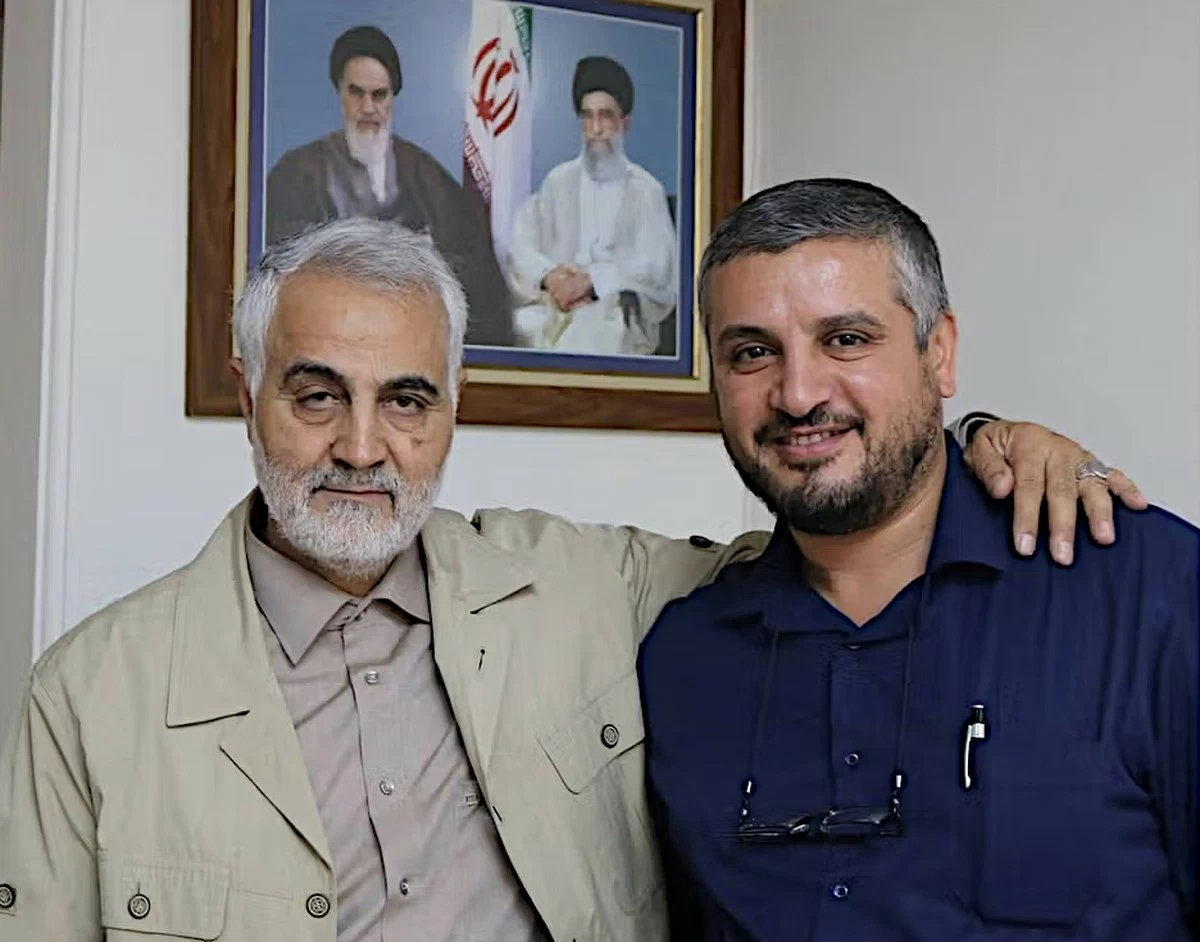
- Iran released an undated photograph showing slain Hezbollah commander Ali Musa Daqduq with Qassem Soleimani, chief of the IRGC Quds Force.
- The release of the image follows a recent strike in Beirut, increasing regional tensions.
- Daqduq was a key figure in Hezbollah's military operations and was designated a terrorist by the US.
Amidst escalating regional tensions following a recent strike in Beirut, Iran has released an unseen photograph featuring slain Hezbollah commander Ali Musa Daqduq alongside the late Qassem Soleimani, former chief of the IRGC Quds Force. The image, shared by Iranian state media, offers a rare glimpse into the past associations of these prominent figures in the Iran-backed militant group.
Ali Musa Daqduq was a significant military commander within Hezbollah, known for his involvement in planning and executing operations. His activities led to his designation as a terrorist by the United States. The release of the photograph, particularly after the Beirut strike, is seen by analysts as a strategic move by Iran, potentially aimed at signaling resolve or commemorating fallen leaders in the ongoing geopolitical landscape.
The context of the photograph's release is crucial, as it coincides with heightened awareness of Iran's influence and its network of proxy groups in the Middle East. The image serves as a visual reminder of the deep ties between Iran and groups like Hezbollah, further complicating efforts to de-escalate conflicts in the region. The IRGC Quds Force, under Soleimani's leadership, was instrumental in projecting Iranian power abroad.
DistantNews Editorial
Originally published by Arab Times. Summarized and contextualized by our editorial team with added local perspective. Read our editorial standards.
More Stories
From Our Blog

What Gets Lost (and Found) When News Is Translated

The Critical Role of Diaspora Media in Global News

What Travellers Should Know About Countries with Restricted Press

A Digital Nomad's Guide to Following Local News

How the Same Story Looks Different in Different Countries
