

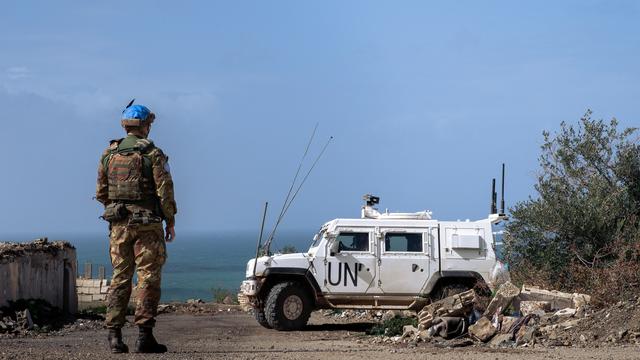

Iran Reports U.S. Attacks on Bridges in Southern Province
Translated from German, summarized and contextualized by DistantNews.
At a glance
News
Sources not specified
Ongoing story
- Iranian media reported that the U.S. military attacked two bridges in the southern Hormozgan province.
- The Kahurestan and Gariveh bridges were hit, disrupting traffic between Bandar-e Abbas and other cities.
- The U.S. military stated its goal was to further weaken Iran's military capabilities, following previous attacks.
Iranian media outlets reported that the U.S. military conducted attacks on two bridges in Iran's southern Hormozgan province, specifically targeting the Kahurestan and Gariveh bridges. These strikes occurred on the province's key transport routes, according to the Fars news agency, which cited provincial officials.
The disruption caused by the attacks has led to the complete closure of roads connecting the port city of Bandar-e Abbas to the cities of Chamir and Lar. A second route in the region was also affected. Reports indicated that two people were killed and four others injured in the strikes, though details on the exact damage were not immediately available. Government-aligned broadcaster Press TV reported that a total of three bridges were struck.
Independent verification of the Iranian claims, as well as U.S. military statements, is typically not possible. The Kahurestan Bridge, situated on the route linking Bandar-e Abbas to Shiraz, is considered a vital artery connecting the Persian Gulf coast to Iran's southern interior, according to The New York Times.
These reported strikes follow a sixth consecutive night of U.S. military operations against Iran. The U.S. military's Central Command (Centcom) announced on X that new attacks began at 2:00 PM U.S. Eastern Time (9:30 PM local time in Iran), stating the objective was to "further weaken Iran's military capabilities." This comes shortly after U.S. President Donald Trump had threatened to expand attacks on Iran's power plants and bridges.
DistantNews Editorial
Originally published by Der Spiegel in German. Translated, summarized, and contextualized by our editorial team with added local perspective. Read our editorial standards.
More Stories

From Our Blog

What Gets Lost (and Found) When News Is Translated

How the Same Story Looks Different in Different Countries

The Critical Role of Diaspora Media in Global News

What Travellers Should Know About Countries with Restricted Press

A Digital Nomad's Guide to Following Local News
