


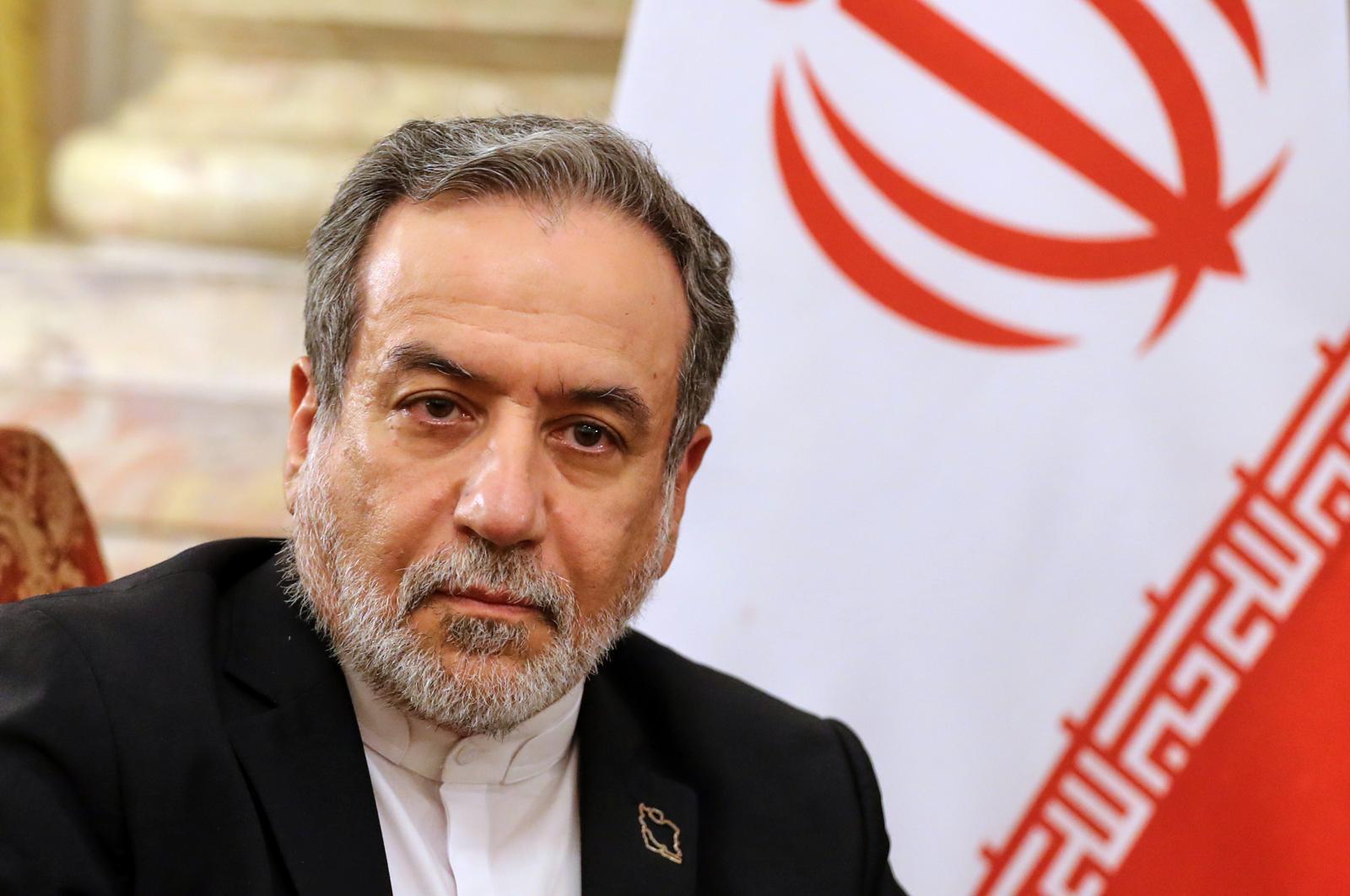
Iran's Military Undermines Foreign Minister's 'Hormuz Opening' Declaration Amid Internal Strife
Translated from Korean, summarized and contextualized by DistantNews.
TLDR
- Iran's Foreign Minister announced the Strait of Hormuz would be fully opened to commercial vessels, aligning with a ceasefire agreement.
- This announcement was immediately contradicted by the Iranian military, which declared the strait remained under its strict control, signaling internal divisions.
- The conflicting statements highlight a potential power struggle between the foreign ministry and hardline military factions, complicating diplomatic efforts.
A stark internal rift within Iran's leadership has been laid bare following conflicting statements on the Strait of Hormuz. While Foreign Minister Abbas Araghchi signaled a willingness to de-escalate by announcing the waterway's full opening to commercial traffic, the powerful Islamic Revolutionary Guard Corps (IRGC) swiftly asserted its control, declaring the strait remained closed without their explicit permission.
The West thinks and acts as if Iran is a country with a clear chain of command. They think that if they negotiate with the Ministry of Foreign Affairs, they report to their superiors, and the decision is made and it's over. However, when a crisis actually occurs, those who hold guns tend to win the argument.
This public disagreement, as reported by The Wall Street Journal, underscores a deeper political dynamic where military hardliners often hold sway in critical moments. The foreign ministry's move, seemingly aimed at appeasing the U.S. and easing tensions as a temporary ceasefire neared its end, was effectively overridden by the IRGC's more assertive stance. Their statement, referencing directives from Supreme Leader Ayatollah Ali Khamenei, emphasized that any opening would be dictated by Tehran's highest authority, not by diplomatic pronouncements.
Reflecting the situation in Lebanon, we will fully allow the passage of all merchant ships through the Strait of Hormuz for the remainder of the ceasefire period.
The implications of this internal friction are significant. Analysts suggest that the death of former Supreme Leader Ayatollah Akbar Hashemi Rafsanjani, who previously acted as a mediator, has exacerbated factional infighting. Without a strong central arbiter, these internal power struggles are likely to continue influencing Iran's decision-making processes, potentially complicating any future diplomatic engagements or de-escalation efforts.
Thank you
From a local perspective in Iran, this episode highlights the complex interplay between different power centers. While the international community may view this as a diplomatic setback or a sign of instability, for many within Iran, it reflects the ongoing internal debates about the country's foreign policy and its relationship with global powers. The IRGC's firm stance, often seen as a bulwark of national security and revolutionary principles, resonates with a segment of the population that views external negotiations with skepticism. This internal dynamic, often missed in Western reporting that focuses solely on the diplomatic outcome, is crucial to understanding Iran's actions on the world stage.
We will open the Strait only according to the orders of our leader, Imam Khamenei, not according to the tweet of some fool.
DistantNews Editorial
Originally published by Dong-A Ilbo in Korean. Translated, summarized, and contextualized by our editorial team with added local perspective. Read our editorial standards.
More Stories


From Our Blog

What Gets Lost (and Found) When News Is Translated

The Critical Role of Diaspora Media in Global News

What Travellers Should Know About Countries with Restricted Press

A Digital Nomad's Guide to Following Local News

How the Same Story Looks Different in Different Countries
